
The Complexity of Hormones
Understanding Hormonal Imbalance: Causes, Symptoms, and Natural Solutions
Ever found yourself feeling out of sorts or not quite yourself? If you’ve heard the term “hormonal imbalance” but aren’t sure what it really means, you’re not alone. This topic can be a bit confusing, especially for those of us assigned female at birth (AFAB). Our hormones are powerful players in how we feel—from our mood swings to our metabolism. It’s crucial to understand when things might be off-balance. In this guide, we’ll break down what hormonal imbalance is, how to spot its sneaky symptoms, and the natural methods you can try to get back in sync with your body.
The Complexity of Hormones
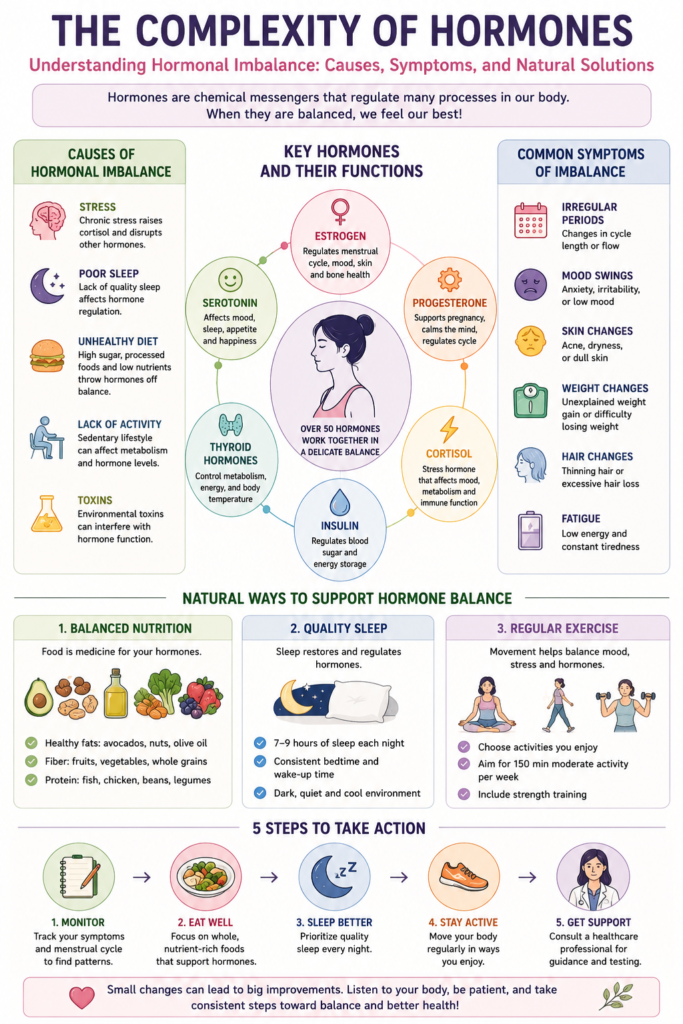
Let’s take a moment to appreciate just how essential hormones are in our lives. These chemical messengers are involved in just about everything: growth, metabolism, reproduction, and even our moods! With over 50 different hormones working together in our bodies, they create a delicate balance. When one hormone steps out of line, it can throw a wrench in our overall health, leading to issues like anxiety, weight gain, and reproductive challenges.
For many women, natural hormonal changes occur during significant life stages—like menstruation, pregnancy, and menopause. Ever notice how you feel different throughout your menstrual cycle? Those mood swings, fatigue, and cravings can often be traced back to fluctuations in hormones like estrogen and progesterone. It’s completely normal, but sometimes these fluctuations can lead to an imbalance that deserves attention.
Actionable Insights
– Know Your Cycle: Have you tried tracking your menstrual cycle? Doing so can help identify patterns and highlight any irregularities. Consider using apps or keeping a journal to log your symptoms.
– Seek Professional Advice: If you’re suspecting a hormonal imbalance, don’t hesitate to reach out to a healthcare professional. They can run tests to help you understand your hormone levels better and guide you in restoring balance.
Symptoms Vary by Hormone
So, how do you know if your hormones are a bit off? The symptoms can really vary depending on which hormones are involved. Here are some common signs experienced by people AFAB:
– Irregular Menstrual Cycles: If your periods aren’t regular, it could indicate hormonal fluctuations. Keep an eye on any changes; they might point to issues with estrogen or progesterone.
– Mood Instability: Feel like your emotions are on a rollercoaster? Hormonal changes can lead to increased anxiety and mood swings, often tied to shifts in estrogen and serotonin levels.
– Skin Changes: Notice any breakouts, hair thinning, or changes in skin texture? Those can be signs of hormonal imbalance too.
– Weight Fluctuations: If you’re finding it hard to lose weight or unexpectedly gaining, hormones like insulin and cortisol might be involved.
To tackle these symptoms effectively, it’s vital to understand which hormones are at play.
Evidence from Trusted Sources
– UCLA Health highlights how hormonal fluctuations throughout life stages, like menstruation and menopause, can contribute to various health issues, including hair loss and digestive problems.
– Cleveland Clinic emphasizes that conditions such as PCOS and thyroid disorders can play a big role in hormonal imbalances and their symptoms.
Practical Steps to Identify Symptoms
1. Maintain a Health Journal: Try logging your symptoms alongside your menstrual cycle. Over time, you’ll be able to spot patterns.
2. Consult a Specialist: Seeing a hormonal specialist can be really beneficial. They can perform blood tests or physical exams to check your hormone levels.
3. Educate Yourself: Dive into online resources or books about hormonal health so you can better understand what’s happening in your body.
Natural Regulation Methods
While sometimes medical help is necessary, many people manage their hormonal imbalances through lifestyle changes. Here are three key areas to focus on:
Balanced Nutrition
Eating a well-rounded diet loaded with healthy fats, fiber, and protein is crucial for keeping hormones in check:
– Healthy Fats: Foods like avocados, nuts, and olive oil help with hormone production.
– Fiber: Incorporating plenty of fruits, vegetables, and whole grains can assist your body in eliminating excess estrogen.
– Protein: Don’t forget your lean proteins like fish, chicken, beans, and legumes—they’re fantastic for muscle health and hormone production.
Sleep Hygiene
Getting quality sleep is a game changer for hormone balance. If you’re not catching enough z’s, it can lead to increased cortisol levels, which might make your hormonal struggles worse:
– Establish a Routine: Aim for 7 to 9 hours of sleep each night. Keeping a consistent bedtime can help your body fall into a predictable rhythm.
– Create a Sleep-Conducive Environment: Make your bedroom a sleep sanctuary—keep it dark, quiet, and cool to promote better rest.
Regular Exercise
Physical activity can do wonders for regulating hormones, impacting everything from your mood to your weight:
– Find Activities You Enjoy: Whether it’s yoga, a brisk walk, or hitting the gym, making exercise part of your routine helps balance hormones.
– Mix It Up: Combining cardio with strength training gives you a comprehensive approach to health, benefiting hormone balance.
Evidence Supporting Lifestyle Changes
– UChicago Medicine AdventHealth discusses how nutrition plays a pivotal role in regulating hormones, showing how healthy lifestyle choices can stabilize hormone levels effectively.
How to Apply This Information
If you think you might have a hormonal imbalance, here’s a straightforward plan to start taking charge of your health:
1. Monitor Your Symptoms: Start tracking your symptoms and menstrual cycles over time to gain insight into your hormonal health.
2. Review Your Diet: Take a good look at what you’re eating. Are you incorporating enough healthy fats, fiber, and protein?
3. Revamp Your Sleep: Reflect on your sleep habits. Are you establishing a consistent routine?
4. Get Moving: Add more physical activity into your day. Choose activities that you find enjoyable.
5. Consult a Professional: After gathering your insights, book an appointment with a healthcare provider to discuss what you’ve learned and your next steps.
Conclusion
Understanding and managing hormonal imbalance is essential for feeling good in your body. By becoming aware of the signs, making some lifestyle tweaks, and talking to healthcare professionals, you can take meaningful steps toward achieving balance. What do you think? Give these tips a try, and don’t hesitate to share your experiences or questions in the comments below! Remember, being in tune with your body and advocating for your health is all part of living your best life.
By using these insights and actionable strategies, you can handle hormonal imbalances and improve your overall well-being. Always consult with a healthcare provider for a personalized plan that suits your individual needs.
Written by Alexander Babinets
Founder of Express Fitness • Certified Fitness Coach • Author
Helping people rebuild their health, mindset, and strength — without excuses, gimmicks, or fake motivation.
📍 expressfitness.ca
📩 info@expressfitness.ca
📘 My Books on Barnes & Noble → https://www.barnesandnoble.com/s/alexander%20babinets
📚 Мои книги на Литрес → https://www.litres.ru/search/?q=%D0%B0%D0%BB%D0%B5%D0%BA%D1%81%D0%B0%D0%BD%D0%B4%D1%80%20%D0%B1%D0%B0%D0%B1%D0%B8%D0%BD%D0%B5%D1%86
Hashtags: #hormonal #hormones #symptoms #health #hormone #imbalance #like #balance #changes #sleep #what #body #mood #might #these