
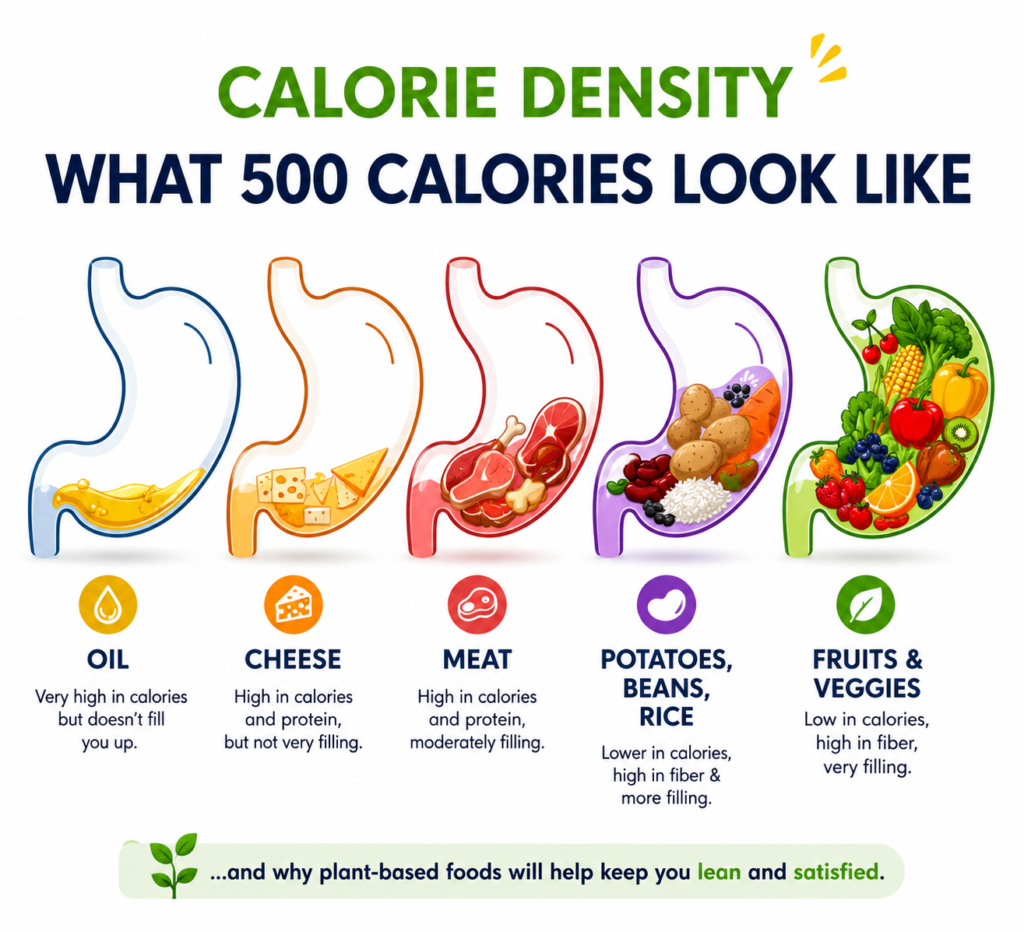
Finding Low-Calorie Density Foods
Foods That Support Weight Management: A Comprehensive Guide to Eating Smart
Introduction
So, you’re trying to keep your weight in check but want to skip the tedious calorie counting? You’re in good company! It’s totally possible to savor tasty, filling meals while still managing your weight. The trick? Knowing which foods will keep you satisfied and well-nourished without tipping the scales. In this guide, we’ll delve into the essentials of low-calorie density, high-fiber, and protein-packed foods that can help you on your journey. Let’s explore how you can make thoughtful food choices that fill you up without filling you out.
Understanding Calorie Density: Why It Matters
Calorie Density Explained
Ever heard of calorie density? It’s simply the number of calories in a certain amount of food. Foods with low calorie density let you eat more while taking in fewer calories. Think of it as a way to enjoy your meals without feeling guilty about the calorie count.
Finding Low-Calorie Density Foods
Fruits and veggies are the stars of the low-calorie density world. For example, a big salad loaded with leafy greens has only about 20 calories, showing that you can enjoy a large portion without sabotaging your diet. When you choose these foods, you’ll feel fuller for longer, without overdoing it.
Practical Examples
1. Leafy greens such as spinach and kale are packed with nutrients and barely any calories, making them ideal for salads or smoothies.
2. Non-starchy veggies like cucumbers and bell peppers offer a crunchy and tasty way to snack or enhance your meals, all while adding hardly any calories.
The Power of Fiber and Protein
The Role of Fiber
High-fiber foods are your go-to allies in weight management. Fiber expands in your stomach, giving you that full feeling while also supporting digestion. Plus, it helps regulate your hunger hormones, so you’re less likely to reach for those unhealthy snacks.
Incorporating Fiber-Rich Foods
Try to load up on:
– Leafy greens (like spinach and collards)
– Fruits (consider berries, apples, and oranges)
– Legumes (beans and lentils are fantastic options)
– Whole grains (think oats and quinoa)
Take steamed broccoli, for example: Just 55 calories for a cup, yet it packs in 5 grams of fiber—perfect for keeping you full and satisfied.
The Importance of Protein
Let’s not ignore protein! It’s a key player in keeping cravings at bay since it takes longer to digest compared to fats and carbs. Eating protein-rich foods helps you feel fuller longer, so you can truly enjoy your meals without constantly thinking about the next snack.
Protein-Rich Foods to Include
– Lean meats (like chicken and turkey)
– Fish (think salmon or tuna)
– Greek yogurt (a great source of protein and probiotics)
– Eggs (one large egg has around 70 calories and 6 grams of protein, making it both hearty and low in calories)
Hydration Through Food
The Role of High-Water Content Foods
Did you know that staying hydrated can actually help with weight management? Foods that are high in water content help you feel full—and they don’t add many calories.
Foods to Keep Hydrated
– Cucumbers: These guys are about 95% water—perfect as a snack or salad addition.
– Watermelon: This juicy treat hydrates you while perfectly satisfying that sweet tooth without the calorie load.
– Soups: Starting meals with a broth-based soup can pack in volume without the calories—ideal for filling you up!
Supportive Evidence
Research suggests that kicking off meals with a broth-based soup can help you eat less overall. A simple vegetable soup can deliver hydration and nutrients while keeping calorie counts low.
How to Apply This Information
Ready to bring these ideas into your day-to-day life? Here are a few straightforward steps to get you started:
1. Make a Meal Plan: Lay out meals for the week that focus on low-calorie density foods, packing in those fruits and veggies.
2. Snack Wisely: Swap out high-calorie snacks for fruits, veggies, or nuts. Next time you crave a snack, try munching on a crunchy cucumber rather than chips.
3. Practice Mindful Eating: Slow down and really savor your meals. Paying attention to your eating can help you notice when you’re satisfied, making it easier to avoid overeating.
4. Stay Hydrated: Keep an eye on your water intake—aim for at least eight glasses a day. Including high-water content foods will boost your hydration as well.
Conclusion
So here’s the scoop: managing your weight doesn’t have to mean sticking to strict diets or depriving yourself. By focusing on low-calorie, nutrient-rich foods, you can enjoy hearty meals that keep you full without the added calories. Prioritize high-fiber and protein-rich meals, and don’t forget those hydrating foods that support your journey. Remember, it’s about how you eat and the little changes you can make. Let’s chat about your meal ideas or tips in the comments below—I’m all ears! Embrace the path to smart, satisfying eating, starting today. Trust me, it’ll change how you view food for the better!
Written by Alexander Babinets
Founder of Express Fitness • Certified Fitness Coach • Author
Helping people rebuild their health, mindset, and strength — without excuses, gimmicks, or fake motivation.
📍 expressfitness.ca
📩 info@expressfitness.ca
📘 My Books on Barnes & Noble → https://www.barnesandnoble.com/s/alexander%20babinets
📚 Мои книги на Литрес → https://www.litres.ru/search/?q=%D0%B0%D0%BB%D0%B5%D0%BA%D1%81%D0%B0%D0%BD%D0%B4%D1%80%20%D0%B1%D0%B0%D0%B1%D0%B8%D0%BD%D0%B5%D1%86
Hashtags: #foods #calorie #calories #meals #without #protein #density #fiber #high #weight #while #about #eating #keep #help