
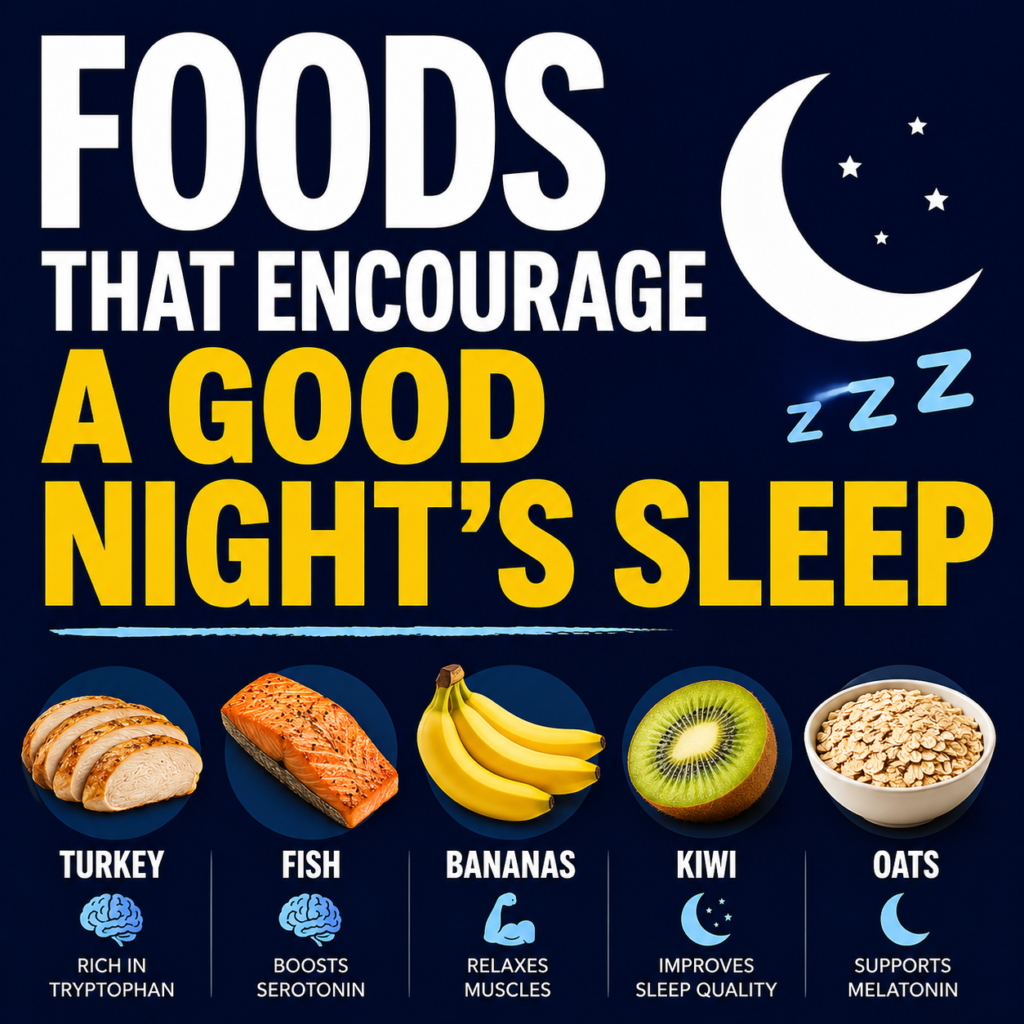
Foods That Encourage a Good Night’s Sleep
The Connection Between Diet and Sleep Quality: What You Need to Know
Getting a restful night’s sleep is crucial for both your body and mind, but let’s be real—many of us find it hard to truly unwind. One surprising factor that plays a big role in how well we sleep is our diet. In this post, we’re diving into how what we eat affects our sleep quality. We’ll chat about foods that can help you snooze better, as well as those you might want to steer clear of.
Foods That Encourage a Good Night’s Sleep
Let’s kick things off with the foods that can give your sleep routine a boost. Certain nutrients in specific foods can help enhance the production of sleep hormones like melatonin and serotonin. Here are some standout choices that can lead to better sleep:
– Turkey: You know that sleepy feeling after a Thanksgiving feast? That’s partly thanks to tryptophan, an amino acid found in turkey that supports serotonin production—a key player in sleep regulation.
– Fish: Fatty fish like salmon and mackerel are loaded with omega-3 fatty acids and vitamin D, both of which can help boost serotonin levels. So, why not whip up a delicious fish dish for dinner?
– Bananas: These guys are not only tasty but also packed with magnesium and potassium, minerals that help your muscles relax. Plus, they’re rich in tryptophan!
– Kiwi: Ever tried kiwi before bed? Studies show that this little fruit can improve how quickly you fall asleep, how long you sleep, and the overall quality of your rest thanks to its levels of serotonin.
– Oats: Don’t just reserve oats for breakfast! They’re rich in melatonin and complex carbs that work wonders in boosting serotonin levels, making them a great choice for a late-night snack.
Foods to Steer Clear of for Better Sleep
Just as certain foods can help you sleep better, others can really mess with your rest. Let’s look at what to avoid:
– Caffeine: Whether it’s in coffee, tea, or sodas, caffeine can mess with your sleep if you consume it too close to bedtime. Consider cutting back in the evening.
– Alcohol: While a drink might help you feel sleepy initially, it interrupts your sleep cycle later on, leading to a restless night.
– High-Sugar and Processed Foods: These kinds of foods can cause blood sugar swings that disrupt sleep. Processed snacks often come with simple carbs and unhealthy fats that work against a good night’s rest.
The Power of Food Combinations
Eating a balanced diet matters—not just for your sleep, but for your overall well-being. Foods rich in complex carbohydrates, along with healthy fats, help keep your blood sugar steady and ensure you’re getting the nutrients you need for good sleep. Think healthy evening snacks like apple slices with almond butter or whole grain toast topped with avocado—these can help you catch those Z’s without disrupting your rest or your waistline.
Expert Insights on Foods for Better Sleep
Experts like Dr. Ian S. Katznelson from Northwestern Medicine stress the importance of dietary combinations for enhancing sleep. Specifically, pairing tryptophan-rich foods with complex carbs can stabilize blood sugar levels and promote restful sleep. Herbal teas, such as chamomile, are also fantastic for their calming effects.
Halle Saperstein, a clinical dietitian at Henry Ford Health, suggests that tart cherries can be superb for your sleep quality. Just a glass of tart cherry juice an hour before bed could lead to noticeable improvements in how you sleep.
Practical Steps for Better Sleep Through Diet
Ready to act? Here’s how to get started on improving your sleep through your diet:
1. Include Sleep-Friendly Foods:
– Make it a goal to have a mix of sleep-promoting foods in your meals. Enjoy oily fish a couple of times a week, and consider a banana or kiwi as a late-night treat.
2. Establish a Sleep Routine:
– Aim for a steady sleep schedule to help your body’s internal clock function smoothly. Pairing your routine with healthy meals can enhance sleep consistency—think about when and what you eat for dinner.
3. Keep an Eye on Your Eating Habits:
– Track what you eat and notice how it impacts your sleep. Apps like MyFitnessPal make this easier by helping you log and analyze your meals.
4. Smart Evening Snacking:
– When those late-night cravings hit, choose snacks that feature carbs and healthy fats. Some nuts, yogurt with berries, or whole-grain crackers can satisfy without interfering with your sleep.
5. Stay Hydrated—but Wisely:
– Hydration is key, but try not to overdo it close to bedtime to avoid waking up during the night.
Conclusion: Make Dietary Choices That Support Your Sleep
Making some tweaks to your diet can have a huge impact on how well you sleep. By adding in foods that promote a good night’s rest and steering clear of those that can disrupt it, you’ll cultivate healthier habits that enhance not just your sleep but your overall wellness.
If you have experiences to share about how changing your diet has influenced your sleep, or any tips that have worked for you, I’d love to hear about them! Drop a comment below, and let’s journey together toward not just sleep, but restorative sleep that recharges our lives.
By paying attention to our food choices and making them work in our favor, we can create an environment that fosters quality sleep and better health.
Written by Alexander Babinets
Founder of Express Fitness • Certified Fitness Coach • Author
Helping people rebuild their health, mindset, and strength — without excuses, gimmicks, or fake motivation.
📍 expressfitness.ca
📩 info@expressfitness.ca
📘 My Books on Barnes & Noble → https://www.barnesandnoble.com/s/alexander%20babinets
📚 Мои книги на Литрес → https://www.litres.ru/search/?q=%D0%B0%D0%BB%D0%B5%D0%BA%D1%81%D0%B0%D0%BD%D0%B4%D1%80%20%D0%B1%D0%B0%D0%B1%D0%B8%D0%BD%D0%B5%D1%86
Hashtags: #sleep #foods #night #help #diet #better #just #quality #what #like #serotonin #rest #well #about #those