
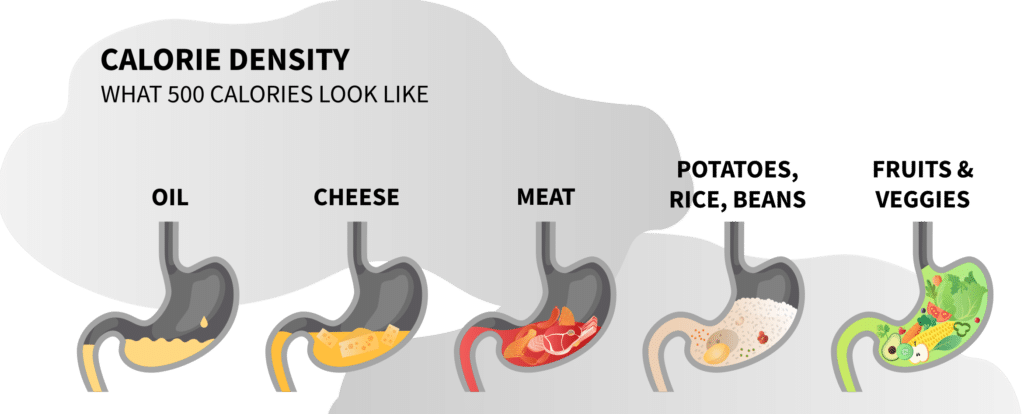
Why Calorie Density Matters
Foods to Eat Without Gaining Weight: A Friendly Guide to Low-Calorie, High-Volume Eating
Let’s be honest—staying at a healthy weight can feel a bit daunting, can’t it? With endless diets and food trends popping up everywhere, it’s easy to feel overwhelmed. But here’s the good news: you can savor delicious meals without stressing about the scale! The secret? It’s all about understanding calorie density and making some smart, satisfying food choices. In this post, we’re diving into the best foods that won’t weigh you down—think high-volume, low-calorie options rich in fiber and protein to keep you feeling full and happy.
Why Calorie Density Matters
So, what is calorie density, exactly? It’s just a fancy way of saying how many calories are packed into a specific weight of food. Foods that are low in calorie density usually have plenty of water or fiber, letting you enjoy bigger portions without going overboard on calories. This means you can manage your weight without feeling like you’re on a strict diet or missing out on the foods you love.
Insight 1: Low-Calorie, High-Volume Foods
Let’s kick things off with some tasty options. If you want to fill up without filling out, low-calorie, high-volume foods are where it’s at! Think leafy greens, cucumbers, and broccoli—they’re all fantastic picks thanks to their high water content and fiber.
Take spinach, for example. A big bowl has roughly 20 calories! You can toss it in salads, blend it in smoothies, or sauté it up for a delicious side.
And let’s not forget about water-rich fruits like watermelon and strawberries. Not only do they hydrate you, but they also satisfy your sweet tooth without racking up the calorie count. Make it a habit to load your plate with these goodies, and you’ll be amazed at how full you feel without the extra calories.
Insight 2: The Importance of Fiber and Protein
Now, let’s chat about two heavy hitters in the fullness game: fiber and protein. High-fiber foods like beans, lentils, and whole grains take their time in your digestive system. This means they provide steady energy and help keep those pesky snack cravings at bay.
Consider cozying up with a bowl of oatmeal. This whole grain is a slow digestor and features a type of soluble fiber known as beta-glucan, which can help regulate hunger hormones—plus, it’s great for your heart!
Don’t overlook protein-rich foods, either. Greek yogurt and eggs can make a world of difference. High-protein options help you feel fuller and curb those cravings. Sprinkle some Greek yogurt into your smoothie or whip up a tasty egg breakfast to boost your nutrition.
Insight 3: Glycemic Control for Steady Energy
Managing your blood sugar is crucial for keeping hunger in check, and that’s where low-glycemic foods shine. Think of items like oatmeal, beans, and most non-starchy veggies. These foods help keep your blood sugar stable, reducing the risk of that dreaded afternoon slump that often leads to overeating.
For instance, adding beans to your meals can provide a slow-burning source of energy that carries you through the day without spikes and crashes. This is not just a win for managing your weight; it’s a boon for your overall health.
How to Apply This Information
Now that we’ve covered some core ideas, let’s get practical! Here’s how you can put this knowledge to work in your daily life:
1. Meal Planning: Kick off your week by planning meals that feature loads of non-starchy vegetables. Try colorful veggie-packed stir-fries or refreshing salads as your base.
2. Mindful Shopping: Be intentional as you shop for groceries. Seek out high-fiber, low-calorie items—stock your kitchen with whole grains, legumes, and fresh veggies that promote good health.
3. Portion Size Awareness: Get familiar with how many calories you’re taking in, but also focus on how much you can eat! Aim to fill half your plate with those low-calorie options, and you’ll create satisfying meals without the stress.
4. Recipe Experimentation: Have fun in the kitchen by trying out new recipes that highlight these ingredients. You could whip up a tasty chickpea salad featuring cucumbers, tomatoes, and lemon dressing or start your meal with a hearty vegetable soup.
5. Stay Hydrated: Sometimes, our body confuses thirst for hunger. Keep those hydrating foods in your diet and drink plenty of water throughout the day.
Conclusion
Eating well doesn’t mean sacrificing the joy of sharing meals with family and friends. By emphasizing low-calorie foods high in fiber and protein, you can maintain a healthy weight while still enjoying life’s delicious offerings. So why not give these strategies a try? Start incorporating them into your meals and see how they make a difference!
I’d love to hear about your favorite low-calorie recipes or any questions you might have. Drop a comment below! Together, let’s celebrate the wonderful world of satisfying, nourishing food choices!
Hashtags: #calorie #foods #without #high #fiber #weight #meals #protein #about #calories #they #volume #feel #food #density