
Understanding Hormonal Imbalances: A Friendly Guide to Causes, Symptoms, and What to Do
Have you ever felt like your moods are on a rollercoaster or noticed sudden changes in your energy levels? You’re not alone. Hormonal imbalances can have a noticeable impact on your life, affecting everything from your physical health to your emotional state. With more than 50 hormones at play in your body, it’s essential to recognize what’s going on and how to manage it. Let’s break it down together, exploring the signs of hormonal imbalances and what steps you can take to feel better.
What Are Hormonal Imbalances?
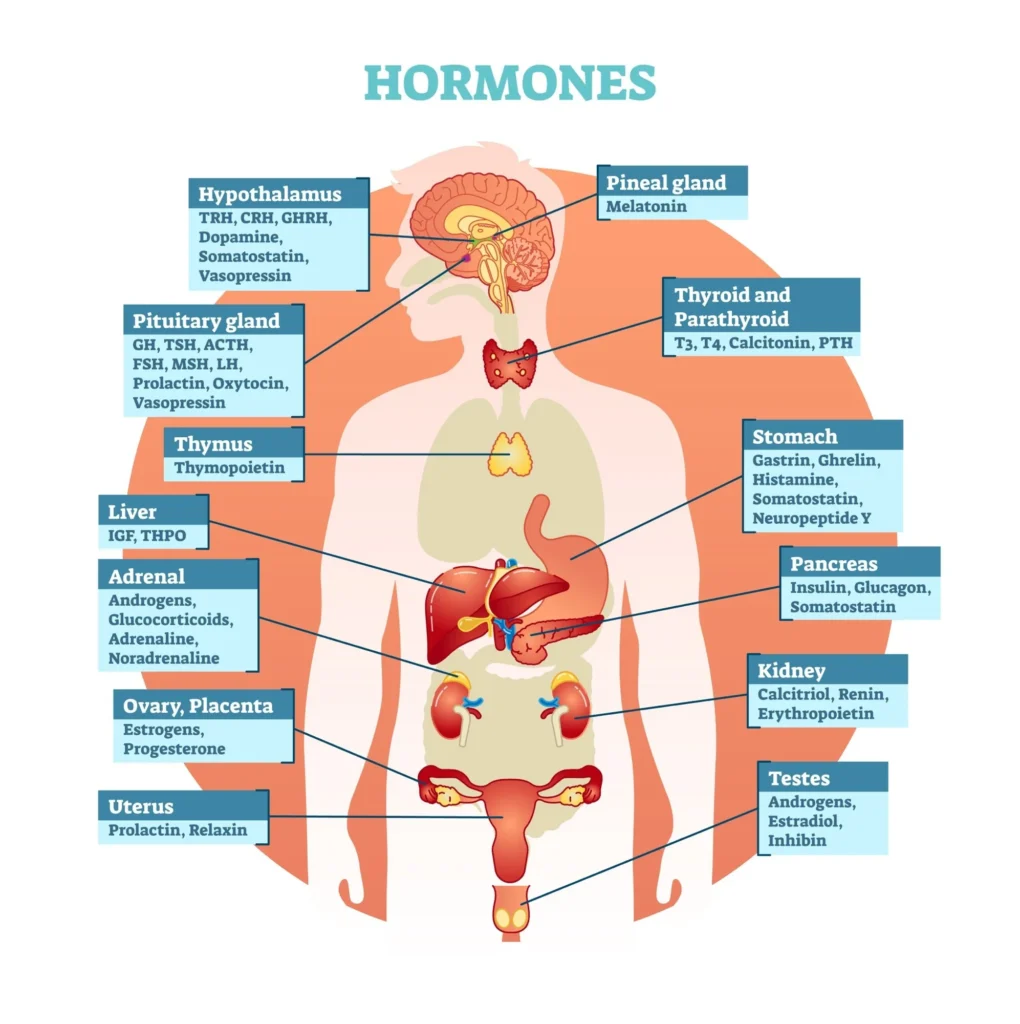
At its core, hormonal imbalances happen when there’s too much or too little of a hormone in your body. Think of hormones as tiny messengers, communicating vital signals throughout your system that control things like your metabolism, mood, and even how your body grows. When those signals go off-course—just a little—it can lead to some pretty significant health issues.
How Do Hormones Work?
Picture your hormones as instruments in an orchestra—each one plays its own part in creating the beautiful symphony of bodily functions. For instance, insulin keeps your blood sugar in check, while estrogen and testosterone play crucial roles in reproductive health. If one of these instruments is out of tune, it can throw everything off balance, impacting your energy, mood, and even your metabolism.
Recognizable Symptoms of Hormonal Imbalances
Recognizing the symptoms of hormonal imbalances is a key step toward feeling better. Here are some signs your body might be trying to tell you something:
– Menstrual Irregularities: Are your periods unpredictable or missing altogether? This could be linked to your sex hormones.
– Hair and Skin Changes: Noticeable thinning of hair or unexpected growth can be your body’s way of signaling trouble.
– Weight Fluctuations: Are you gaining or losing weight without trying? Hormonal shifts can have a big influence on your body’s metabolism.
– Mood Disturbances: If anxiety, depression, or irritability seem to come and go, this might be linked to fluctuations in hormones like cortisol or serotonin.
– Digestive Issues: Changes in your appetite or digestive troubles can also point to hormone-related problems.
Every individual is different—so listen closely to what your body is telling you.
Diagnosing Hormonal Imbalances
If you suspect that something’s off, don’t hesitate to reach out to a healthcare professional. Here’s what to expect during your appointment:
1. Physical Examination: Your doctor will check in on your overall health and wellbeing.
2. Health History Review: They’ll want to understand your medical background and lifestyle choices—this is vital for pinpointing the issue.
3. Laboratory Tests: Blood tests can provide a clear picture of your hormone levels and any imbalances.
Treatment Options for Hormonal Imbalances
Here’s the good news: there are several ways to address hormonal imbalances, depending on what’s causing them.
1. Medical Treatments
– Hormone Therapy: Sometimes, medication is needed to replace or regulate hormone levels. This is especially common for those dealing with menopause or andropause.
– Medications for Underlying Conditions: If you have conditions like polycystic ovary syndrome (PCOS), specific treatments can help manage symptoms and restore balance.
2. Lifestyle Changes
Simple lifestyle tweaks can work wonders for your hormonal health:
– Nutrition: Aim for a balanced diet full of whole foods. Include healthy fats, proteins, and fiber-rich foods. For example, munching on cruciferous vegetables like broccoli can help detoxify excess estrogen.
– Regular Exercise: Getting active is crucial—not just for your physical health but also for your mood. Try to move for at least 150 minutes each week.
– Quality Sleep: Prioritize your sleep. Aim for 7-9 hours of quality rest to help regulate your hormones effectively.
Supporting Evidence
It’s great to know that others agree on the importance of nutrition and lifestyle in managing hormonal health:
– UCLA Health points out that hormonal changes impact those assigned female at birth (AFAB) during significant life events, like menstruation and menopause. Symptoms can include hair thinning and skin texture changes.
– Cleveland Clinic emphasizes how hormonal fluctuations can affect your metabolism, leading to issues like insulin dysfunction.
– UChicago Medicine AdventHealth reinforces that your diet plays a key role in hormone regulation—another reminder of how important it is to eat well.
How to Apply This Information
Ready to take charge of your health? Here are some practical steps to get you started:
1. Monitor Your Symptoms: Keep track of what you’re experiencing—this can be really helpful when you talk to your healthcare provider.
2. Consult a Professional: If your symptoms continue, don’t hesitate to make that appointment. A professional can help clarify what’s going on and suggest treatment options.
3. Start Making Changes: Begin with manageable shifts:
– Add more whole foods to your meals.
– Set a sleep schedule that allows for good rest.
– Find a form of exercise you enjoy—this makes it easier to stick with.
Conclusion
Hormonal imbalances can shape many parts of your life, but with a little knowledge and the right approach, you can manage these issues effectively. Pay attention to the signs your body sends, don’t hesitate to reach out for support from professionals, and explore lifestyle changes that promote hormonal health. If symptoms persist, remember: early intervention is key to feeling your best.
So, what’s your next step? Let me know your thoughts in the comments below, or check out our related articles for more insights on wellness and how to enhance your lifestyle!
Written by Alexander Babinets
Founder of Express Fitness • Certified Fitness Coach • Author
Helping people rebuild their health, mindset, and strength — without excuses, gimmicks, or fake motivation.
📍 expressfitness.ca
📩 info@expressfitness.ca
📘 My Books on Barnes & Noble → https://www.barnesandnoble.com/s/alexander%20babinets
📚 Мои книги на Литрес → https://www.litres.ru/search/?q=%D0%B0%D0%BB%D0%B5%D0%BA%D1%81%D0%B0%D0%BD%D0%B4%D1%80%20%D0%B1%D0%B0%D0%B1%D0%B8%D0%BD%D0%B5%D1%86
Hashtags: #hormonal #imbalances #health #what #symptoms #changes #body #like #hormones #hormone #lifestyle #metabolism #mood #issues #here