
Understanding Edema: Causes, Types, and Effective Management Strategies
Understanding Edema: Causes, Types, and Effective Management Strategies
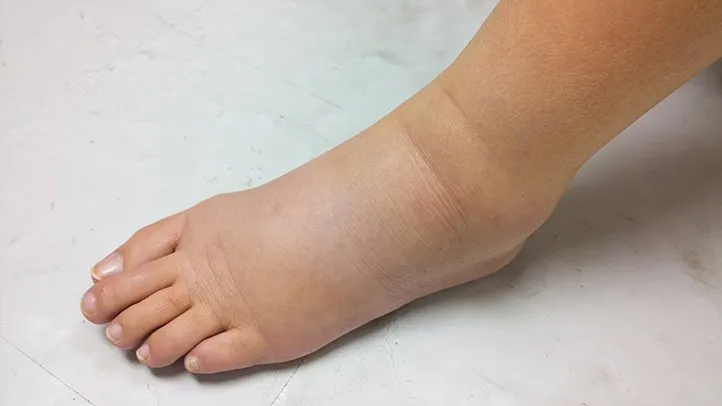
Ever noticed some unexpected swelling in your feet, ankles, or legs? You’re not alone. Edema may not be the first thing on people’s minds, but this condition—characterized by unwanted fluid buildup in tissues—affects many of us and can have a real impact on our daily lives. From minor annoyances to serious health signals, edema arrives in various forms and can be caused by a range of factors, from underlying health issues to lifestyle choices.
In this friendly guide, we’ll break down what edema is, the different types you should know about, who’s most at risk, and some practical strategies you can use for managing it. Whether you’re experiencing occasional puffs of swelling or facing a more persistent problem, I’m here to share useful insights and advice that can help you take charge of your health.
What is Edema?
So let’s get to the heart of it: what is edema? This condition happens when fluid seeps out from tiny blood vessels, known as capillaries, into the surrounding tissues, leading to visible swelling. Most often, it’s harmless and temporary. However, it can sometimes indicate a deeper health concern, which is why staying informed and ready to act is so important.
Different Types of Edema You Should Know
Generalized Edema
You might hear the term “generalized edema” thrown around. This kind of swelling affects large areas of the body, and it could signal a major health concern like heart failure, liver disease, or nephrotic syndrome (a specific kidney issue). If you notice swelling in your abdomen or limbs that doesn’t go away, it’s time to consult a healthcare provider.
Lymphedema
Then there’s lymphedema, which usually targets the limbs. It happens when there’s a blockage in your lymphatic system. People often develop this condition after surgeries to remove lymph nodes, especially for cancer treatments. It can be uncomfortable and might impact your mobility or raise your risk for infections, so catching the signs early is crucial for managing it effectively.
Who is Most Affected by Edema?
Some groups of people are more prone to experiencing edema than others. Let’s take a closer look:
Older Adults
As we age, we’re more likely to face health challenges that can lead to edema, including chronic kidney disease, heart failure, and venous insufficiency. Exploring lifestyle changes and treatment options can truly enhance the quality of life for older adults dealing with this issue.
Pregnant Women
Pregnancy can be a beautiful experience, but all that extra weight can put pressure on veins in the pelvis. This can affect blood flow back from the legs and cause swelling in the lower extremities. While this swelling is usually just a temporary factor of pregnancy, it’s important to keep an eye out for any signs that could indicate pre-eclampsia, a serious condition.
Individuals with Chronic Conditions
For people living with chronic health issues—like heart, liver, or kidney diseases—the risk of developing edema could be higher. Certain medications, particularly anti-inflammatory ones, might add to fluid retention as well. Regular check-ins with a healthcare provider can be crucial to managing these conditions effectively.
Other Risk Factors
Here are some additional factors to keep in mind:
– Prolonged Standing: If your job keeps you on your feet for long hours, you might notice fluid pooling in your legs.
– Air Travel: Sitting for a long time during flights can also lead to temporary swelling because blood circulation tends to slow down.
– Hormonal Changes: Women might experience some swelling fluctuations during their menstrual cycles.
Effective Treatment Approaches for Edema
If you’re dealing with edema, the first step is to figure out what’s causing it. Treatment might include a mix of medical approaches and lifestyle tweaks. Here are some common strategies to help manage and ease the symptoms:
Medications
You might have heard of diuretics, often called “water pills.” These can help your body shed excess fluid, reducing swelling. They’re usually prescribed for conditions like heart failure or kidney disease, but always check in with your doctor before starting them.
Lifestyle Modifications
Making small changes to your daily routine can really help manage and prevent edema. Let’s look at some straightforward strategies you can try:
– Elevate Affected Limbs: When you’re relaxing, use cushions to prop up swollen legs; this encourages fluid drainage.
– Physical Activity: Gentle exercises like walking or swimming can do wonders for circulation and help your lymph fluid move more freely.
– Stay Hydrated: Drink enough water—it helps your kidneys function well and reduces sodium retention.
– Compression Garments: Wearing compression stockings can improve circulation and lessen swelling in the legs.
Dietary Considerations
What you eat can also play a significant role. A balanced diet low in sodium helps minimize fluid retention. Focus on consuming whole foods, fruits, veggies, and lean proteins while cutting back on salt. Don’t forget to include potassium-rich foods like bananas and sweet potatoes to help balance your sodium levels.
How to Take Action
Ready to tackle edema? Here’s how to take those steps:
1. Assess Your Risk Factors: Look at your current health conditions and habits—what might be contributing to your swelling?
2. Consult with a Healthcare Provider: If you’re experiencing persistent swelling, have a chat with your doctor to rule out any serious issues and discuss management options.
3. Incorporate Lifestyle Changes: Start small! Try going for a walk after meals or elevate your legs when you sit down for a while.
4. Monitor Your Body’s Response: Pay attention to how your body reacts to any changes you implement.
Conclusion
While edema might not sound like a serious problem at first glance, it can really affect your overall well-being. By understanding the different types, who’s at risk, and how to manage it effectively, you can make more informed choices about your health. Whether you’re facing occasional swelling or have chronic edema, taking proactive steps can lead to a better quality of life.
If this article struck a chord with you, I invite you to share your thoughts and experiences in the comments below. Let’s connect with others who might be going through similar things, and dive deeper into managing our health together. Remember, every small step counts—so let’s start on that path to better health today!
Written by Alexander Babinets
Founder of Express Fitness • Certified Fitness Coach • Author
Helping people rebuild their health, mindset, and strength — without excuses, gimmicks, or fake motivation.
📍 expressfitness.ca
📩 info@expressfitness.ca
📘 My Books on Barnes & Noble → https://www.barnesandnoble.com/s/alexander%20babinets
📚 Мои книги на Литрес → https://www.litres.ru/search/?q=%D0%B0%D0%BB%D0%B5%D0%BA%D1%81%D0%B0%D0%BD%D0%B4%D1%80%20%D0%B1%D0%B0%D0%B1%D0%B8%D0%BD%D0%B5%D1%86
Hashtags: #edema #swelling #health #might #fluid #some #legs #what #risk #help #like #lifestyle #more #heart #changes