
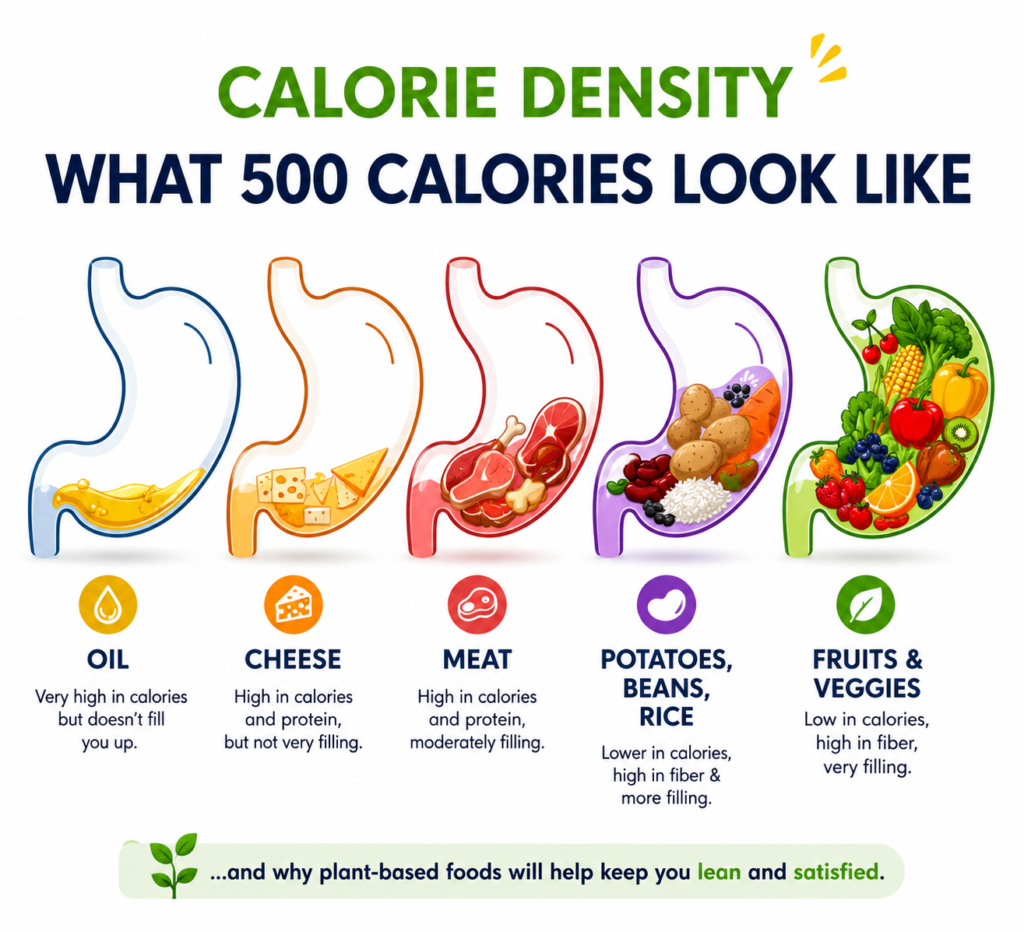
Let’s Talk About Calorie Density
Effective Weight Management: Your Practical Guide to Healthy Eating
Managing your weight shouldn’t feel like a constant struggle with counting calories or sticking to restrictive diets. The key is to get a handle on making smarter food choices and developing healthier habits that you can sustain. In this friendly guide, we’ll dive into simple yet effective strategies that center around nutrient-rich foods, mindful eating, and tackling those tricky behaviors that can derail your weight management efforts.
What Is Calorie Density?
Calorie density is all about the number of calories packed into a certain weight or volume of food. So when you’re trying to manage your weight, aiming for foods with low calorie density can be a game-changer. These foods are usually high in water and fiber, which naturally help you feel full.
Foods That Keep You Satisfied
Some food groups can really help you build a satisfying, nutrient-rich plate without the guilt of overeating. Here’s where to focus your attention:
– Leafy Greens: Spinach, kale, and romaine lettuce are not just healthy; they’re incredibly low in calories. You can pile them on your plate—and they’ll only add about 20 calories! Toss them into salads, smoothies, or even stews for a flavor boost.
– High-Water Fruits: Think watermelon, cucumbers, and oranges. They hydrate you and come in at low calorie counts. For instance, a cup of watermelon has only about 46 calories and brings a sweet burst to your day.
– Lean Proteins: Foods like chicken breast, fish, legumes, and tofu are great for keeping hunger at bay. Pairing these proteins with some fiber-packed veggies can create a filling meal that won’t weigh you down.
A Simple Tip:
When you’re planning your meals, consider using the “plate method.” Fill half of your plate with veggies, a quarter with lean proteins, and a quarter with whole grains. It’s a straightforward visual that’ll help keep your portions—and your nutrients—balanced.
The Behaviors That Shape Weight Management
Understanding the Bigger Picture
Food choices matter, but let’s be real—many other factors play into weight gain. Recognizing these can help you make better decisions each day.
– Stress and Emotional Eating: Stress can lead to cravings for those comfort foods. Using mindfulness techniques—like meditation or even deep breathing—can help lower your stress levels and curb emotional eating.
– Sleep Matters: Did you know that not getting enough sleep can actually lead to weight gain? Studies have shown that sleep deprivation messes with hormones that control appetite, leading to more cravings. Aim for 7–9 hours of good sleep each night to support your weight goals.
– Get Moving: If you’re spending hours sitting, you’re raising your odds of gaining weight. Little bursts of activity—whether it’s a quick walk, some stretches, or even standing while you work—can make a big difference over time.
Embracing Mindful Eating
What’s Mindful Eating All About?
Mindful eating is all about tuning into your food. It’s noticing the colors, smells, textures, and flavors of what you’re eating. This practice helps you pay attention to hunger cues and cultivate a healthier relationship with food.
How to Start Practicing Mindful Eating
1. Ditch the Distractions: When it’s time to eat, turn off the TV and put away your phone. Really focus on your meal to enhance your experience and avoid overeating.
2. Savor Each Bite: Slow down! Chewing your food thoroughly can boost your feelings of fullness. Try setting a timer for 20 minutes during meals to encourage a leisurely pace.
3. Check In with Yourself: Before reaching for that snack, ask yourself if you’re genuinely hungry or just bored. A quick moment of reflection can stop unnecessary calorie intake in its tracks.
The Upside of Mindful Eating
Practicing these habits not only helps you understand what and why you eat but also improves your relationship with food over time, making it easier to avoid those pesky overeating patterns.
Going from Ideas to Action: Here’s How
Step-by-Step Guidance
1. Start with a Meal Plan: Spend a few minutes each week planning meals that highlight low-calorie foods. This prep work can make grocery shopping a breeze and help you steer clear of impulse buys.
2. Keep a Food Journal: Write down what you eat and how you feel before and after meals. This can help uncover patterns and triggers behind unhealthy choices.
3. Set Practical Goals: Focus on changes you can stick with. For example, try adding just one extra serving of veggies to one meal each day.
4. Build Your Support Network: Surround yourself with friends or family who share similar health goals. This can provide a much-needed boost of motivation and accountability.
Wrapping It Up
Managing your weight doesn’t have to be an overwhelming task full of complicated diets and constant calorie counting. By honing in on foods with low calorie density, understanding the factors that influence your eating habits, and practicing mindful eating techniques, you can create a sustainable way to manage your weight that also promotes your overall health.
If you found this information helpful, share it with friends or leave a comment below with your thoughts! Your health journey is personal, but you don’t have to go through it alone.
What’s Next?
Feeling motivated to make a change? Check out our other articles on meal planning, mindful eating, and tips for living a balanced life! You’ve got this!
Written by Alexander Babinets
Founder of Express Fitness, certified coach, and author helping people get in shape without excuses.
📍 expressfitness.ca | 📩 info@expressfitness.ca
👤 More about me → alexanderbabinets.com
Incorporating these tips into your daily routine can pave the way for a healthier lifestyle, making lasting weight management easier, all without the stress of traditional dieting.
Hashtags: #weight #eating #food #calorie #foods #mindful #help #into #about #what #calories #density #these #meal #each