
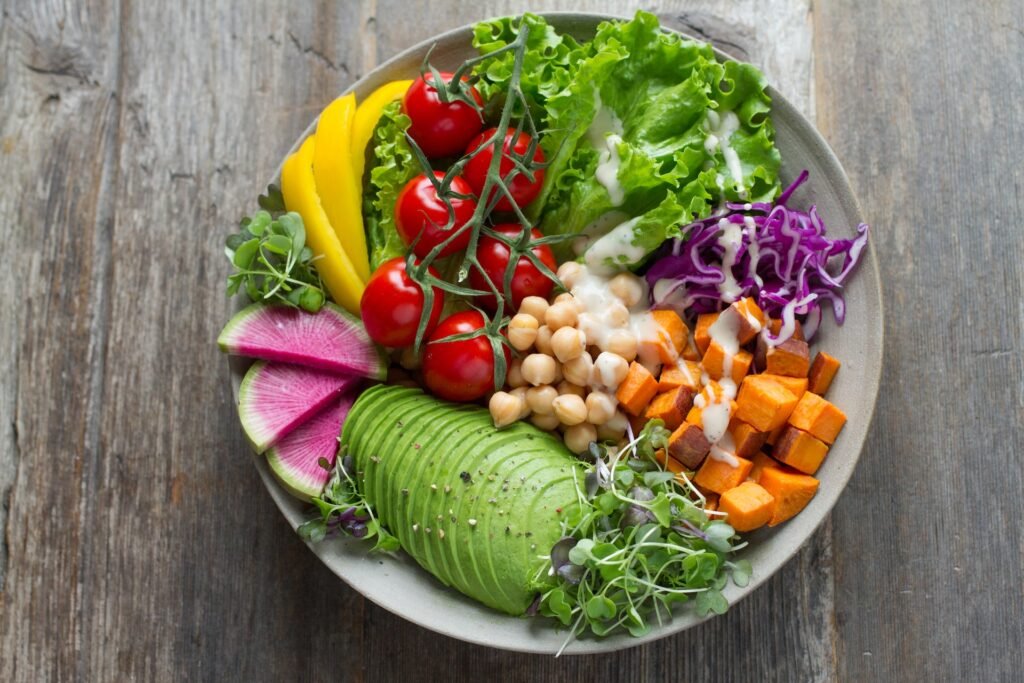
Leafy Greens and Veggies – Your Best Friends
Foods You Can Eat Without Gaining Weight: Discovering What Works for You
We know how tricky it can feel to keep a healthy weight. The thought of jumping into a strict diet can be overwhelming, but here’s some good news: it doesn’t have to be that way! By understanding the types of foods you can enjoy without piling on the pounds, you can make choices that not only satisfy your cravings but also help you feel great. In this article, we’re diving into low-calorie, nutrient-packed foods and how adding them to your meals can manage hunger and support your overall health. Whether you want to maintain your weight or just eat better, you’ll find practical tips to help you here.
Getting to Know Low-Calorie Density
Let’s start with a key concept: low-calorie density. This simply means some foods have fewer calories by volume, which lets you fill up your plate without worrying about calorie overload.
Leafy Greens and Veggies – Your Best Friends
Leafy greens, cucumbers, and celery are prime examples of low-calorie density foods. Picture this: a big salad made with spinach and mixed greens can be super filling and will only set you back about 20 calories per serving! This means you get to enjoy lots of food while keeping the calories in check.
Pro Tip: When whipping up meals, try filling half your plate with these low-cal veggies. They not only add bulk but also bring in essential vitamins and minerals that your body needs.
The Hydration Factor
Don’t underestimate the power of high-water-content fruits and veggies. Think watermelon and broth-based soups. They help keep you hydrated while also filling you up, making them fantastic choices for weight management without feeling deprived.
Did you know? A cup of watermelon has around 46 calories and is made up of about 92% water. That makes it a delightfully satisfying snack! Plus, the sweet crunch can help satisfy those cravings for heavier sweets.
High-Fiber Foods: Your Go-To Solution
Adding high-fiber foods to your diet can do wonders for controlling your appetite and keeping your digestion on track. Foods like beans, oats, and whole grains are jam-packed with fiber, helping you feel satisfied longer.
Why Fiber Is Key
So, why should you prioritize fiber? It slows down digestion, which means energy is released gradually, keeping hunger at bay. Unlike those refined carbs that can spike your blood sugar (and your cravings), whole grains keep things steady.
Research Insight: Studies show that people who eat lots of fiber tend to weigh less over time and are less likely to gain unwanted pounds.
What to Aim For: Try to hit at least 25–30 grams of fiber daily. A great start could be a bowl of oatmeal topped with berries for breakfast or adding beans to your salad at lunch!
Protein-Packed Foods That Keep You Full
When you think of managing cravings and maintaining a balanced diet, don’t overlook high-protein foods! Things like eggs, chicken breast, and Greek yogurt are fantastic for triggering those feel-good hormones that tell your body it’s satisfied.
The Role of Protein
Research shows that diets with higher protein can boost weight loss and help you maintain your current weight. Protein fills you up, making those pesky snack urges between meals easier to handle.
Example: A large egg packs about 70 calories and gives you around five grams of top-notch protein. Whether you start your day with eggs or grab Greek yogurt for a snack, you’re giving your body quality nutrients that support muscle health, too.
Actionable Tip: Make it a point to include at least one source of protein in every meal. Maybe it’s grilled chicken for dinner or a protein shake post-workout.
Putting This All into Practice
Alright, let’s make this a reality! Here are some straightforward steps to help you get started:
1. Meal Planning: Take a little time each week to plan meals that highlight low-calorie, nutrient-dense foods. Stock up on veggies, lean proteins, and fiber-rich grains during your grocery runs.
2. Snack Smarter: Keep healthy snacks close by, like carrot sticks with hummus or a refreshing cup of berries. This way, you’ll be less tempted to reach for those high-calorie treats when hunger strikes.
3. Load Up on Veggies: Shift your focus toward veggies. Aim to fill half your plate with vibrant vegetables to maximize your fullness and nutrient intake.
4. Stay Hydrated: Don’t forget to drink plenty of water! Sometimes our bodies confuse thirst for hunger. Make it a habit to hydrate, and consider incorporating hydrating fruits and veggies into your snacks.
5. Tune In to Your Body: Pay attention to how your body feels. Eating mindfully helps you tell the difference between real hunger and cravings, making it easier to manage portions.
Wrapping It Up
By grasping and applying these principles of low-calorie, nutrient-dense foods, you can really shake up your relationship with food and manage your weight more easily. Filling your plate with leafy greens, high-fiber goodies, and protein-packed options means you can enjoy tasty meals while keeping calories in check. Remember, it’s not about deprivation; it’s making smart choices that nourish your body.
If you found this helpful, why not share it with your friends? Drop a comment or check out more articles that dive into living healthily without strict diets. Let’s keep our focus on quality nutrition instead of strict calorie counting!
Written by Alexander Babinets
Founder of Express Fitness • Certified Fitness Coach • Author
Helping people rebuild their health, mindset, and strength — without excuses, gimmicks, or fake motivation.
📍 expressfitness.ca
📩 info@expressfitness.ca
📘 My Books on Barnes & Noble → https://www.barnesandnoble.com/s/alexander%20babinets
📚 Мои книги на Литрес → https://www.litres.ru/search/?q=%D0%B0%D0%BB%D0%B5%D0%BA%D1%81%D0%B0%D0%BD%D0%B4%D1%80%20%D0%B1%D0%B0%D0%B1%D0%B8%D0%BD%D0%B5%D1%86
Hashtags: #foods #calorie #fiber #protein #weight #veggies #keep #help #calories #body #high #without #into #cravings #meals