
Helpful Techniques for Managing Anxiety
Effective Anxiety and Stress Management: Insights and Strategies
Anxiety and stress can be tough to handle, affecting nearly every corner of our lives. Whether you’re worried about work, family issues, or your health, it’s essential to find ways to manage those feelings. The good news? Mental health experts, like licensed psychologist Dr. Bethany Juby, have some practical strategies that can truly help. Let’s dive into their insights and discover how you can take charge of your emotional well-being.
Getting to Know Anxiety: Insights from Dr. Bethany Juby
Helpful Techniques for Managing Anxiety
Dr. Bethany Juby, a respected voice in the world of mental health, offers some solid methods for tackling anxiety:
1. Acceptance and Commitment Therapy (ACT): This approach is all about welcoming your thoughts and feelings instead of battling against them. By accepting where you’re at, you can focus on actions that reflect your core values, which lessens anxiety’s grip on your life.
2. Eye Movement Desensitization and Reprocessing (EMDR): Originally created to help with trauma, EMDR has also shown to be effective for anxiety relief. It aids in processing those tough memories, helping you feel lighter and more at ease.
Adding these techniques into your life can help reshape your thought patterns and open up healthier ways to cope. Plus, thanks to online therapy options, accessing these methods is easier than ever, no matter where you are.
Quick Relief: Breathing Techniques
Sometimes, when anxiety hits hard, a simple deep breathing exercise can be your best friend. One technique that works wonders is the three-part breathing method. Here’s how you can give it a shot:
1. Inhale deeply through your nose for a count of four, letting your belly and chest expand.
2. Hold your breath for another four counts.
3. Exhale slowly through your mouth for a count of six.
This method helps soothe your nervous system and boosts your oxygen flow, easing feelings of stress and frustration in no time. By practicing this technique daily, you’ll find it helps you regulate your emotions more effectively.
Spotting Physical Signs of Anxiety
Anxiety isn’t just about how you feel emotionally; it can also show up in your body. It’s essential to recognize these physical signs for a more rounded approach to managing your anxiety. Common symptoms include:
– Digestive issues: Stress can cause stomach discomfort, nausea, or changes in your appetite.
– Trouble sleeping: Anxiety might keep you tossing and turning at night or make you sleep too much, which doesn’t help the situation either.
– Fatigue and irritability: When you’re always anxious, it can leave you feeling tired and moody, making it hard to enjoy life.
By being aware of these signs, you can better address your anxiety early on, whether through therapy, lifestyle changes, or check-ins with your doctor. Staying proactive can prevent it from spiraling into something more serious.
Putting These Insights to Action
Now that we’ve tackled understanding anxiety, let’s get real about how to put this knowledge to use in your everyday life.
Step 1: Try Therapeutic Techniques
First, see how you can incorporate ACT and EMDR into your routine. If you can, reach out to a professional to help you navigate these methods. If finding a therapist feels like a stretch, self-help books and online resources can also offer valuable insights.
Step 2: Get the Hang of Breathing Techniques
Make it a daily ritual to practice that three-part breathing method. Set aside just five minutes to really focus on your breath. Use this peaceful moment to reflect on your day, jotting down feelings and possible stressors. Developing this habit can foster a sense of calm and control.
Step 3: Keep Track of Physical Symptoms
Consider keeping a journal where you document any physical symptoms tied to your anxiety. Pay attention to when they happen, what triggers them, and how you cope. Over time, you might spot patterns that can help you address the underlying causes. Plus, noting when physical symptoms pop up is a perfect cue to practice your breathing techniques.
More Tips to Consider:
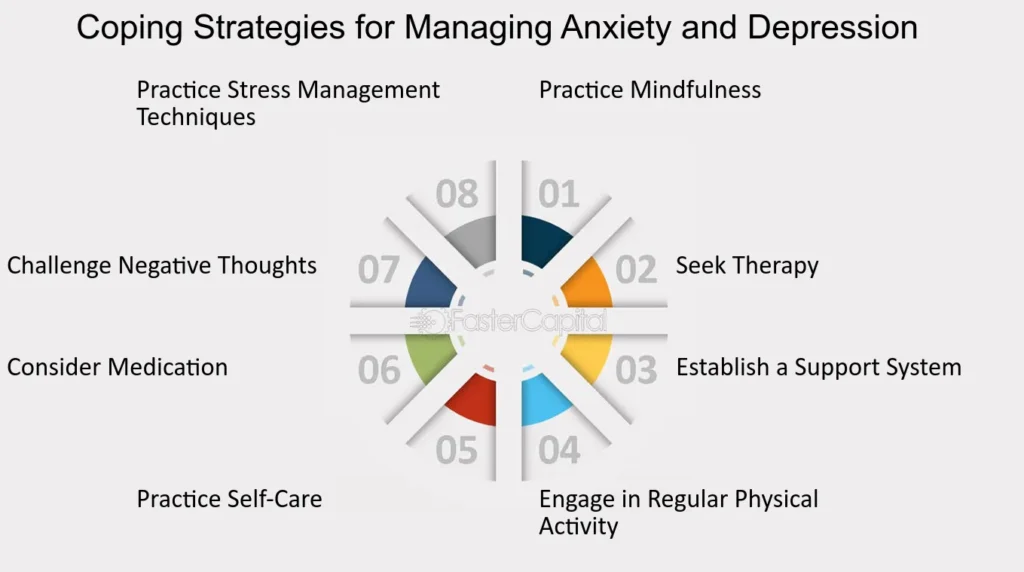
– Get moving! Regular exercise can reduce anxiety levels. Even a simple daily walk can boost your mood and help clear your mind.
– Build a support system. Lean on friends or look for support groups. Connecting with others can lighten your load and provide comfort when anxiety strikes.
Wrapping It Up: Taking Charge of Your Anxiety
Managing anxiety isn’t a one-size-fits-all process—it takes time and effort. With insights from experts like Dr. Bethany Juby, practical strategies, and a keen awareness of your body signals, you can start to feel more in control of your mental health.
If you’ve found these tips useful, I’d love to hear your thoughts or any personal strategies you might want to share in the comments. Let’s create a supportive community as we all learn to handle the ups and downs of anxiety together.
Implement these strategies into your daily routine and take meaningful steps toward better mental health. After all, understanding and addressing anxiety is key to living a more balanced and fulfilling life. You’ve got this!
Written by Alexander Babinets
Founder of Express Fitness • Certified Fitness Coach • Author
Helping people rebuild their health, mindset, and strength — without excuses, gimmicks, or fake motivation.
📍 expressfitness.ca
📩 info@expressfitness.ca
📘 My Books on Barnes & Noble → https://www.barnesandnoble.com/s/alexander%20babinets
📚 Мои книги на Литрес → https://www.litres.ru/search/?q=%D0%B0%D0%BB%D0%B5%D0%BA%D1%81%D0%B0%D0%BD%D0%B4%D1%80%20%D0%B1%D0%B0%D0%B1%D0%B8%D0%BD%D0%B5%D1%86
Hashtags: #anxiety #help #these #more #insights #techniques #breathing #strategies #health #into #life #when #physical #stress #about