
What Are Hormones and Why Are They Important?
Understanding Hormonal Imbalances: Symptoms, Causes, and Solutions
Have you ever felt like your body is sending mixed signals? You’re not alone! Hormones, those little messengers running around in your system, play a huge role in everything from your mood to how well your body uses energy. When they fall out of sync, it can leave you feeling off-kilter in ways that really impact your quality of life. In this article, we’re going to unpack what hormonal imbalances are all about. We’ll dive into their causes, symptoms, and some practical solutions to help you get back on track. By the end, you’ll have some actionable tips to maintain hormonal balance and enhance your well-being.
What Are Hormones and Why Are They Important?
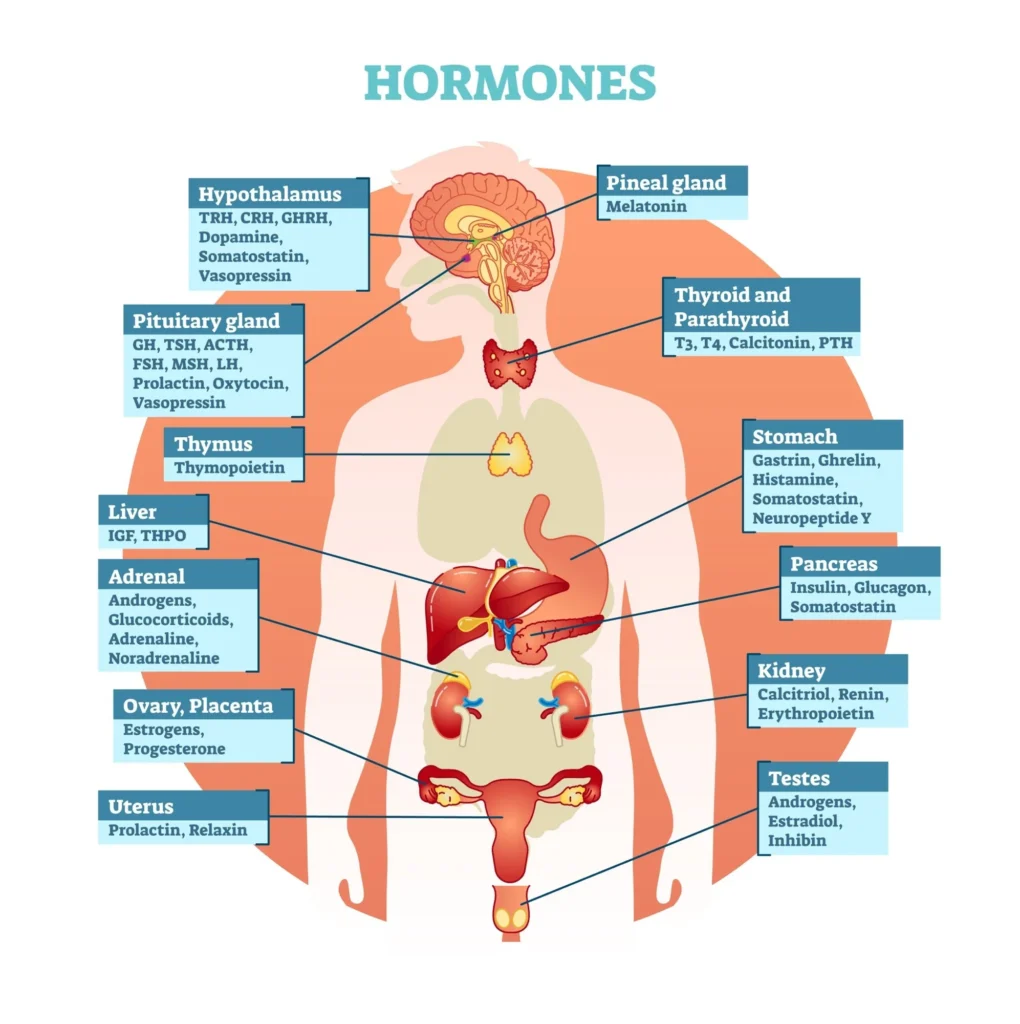
So, what exactly are hormones? They’re chemical messengers made by glands in your endocrine system—think the thyroid, pancreas, adrenal glands, and ovaries or testes. They regulate a whole bunch of important bodily functions, including:
– Metabolism: Hormones like insulin and glucagon are key players in how we store and use energy.
– Growth and development: Growth hormone is crucial for physical development and building muscle.
– Mood regulation: Hormones such as serotonin and cortisol can heavily influence our emotions and stress levels.
– Reproductive functions: Estrogen, testosterone, and progesterone are vital for sexual health in both women and men.
With over 50 hormones running the show in our bodies, it’s clear why keeping them balanced is essential for good health. When there’s a hiccup in their levels, it can lead to imbalances that cause a variety of health issues.
Symptoms of Hormonal Imbalance
If your hormones are out of whack, you might notice some of these symptoms:
– Menstrual irregularities: This could mean heavy periods or missed cycles for women.
– Weight changes: Sudden weight gain or loss that doesn’t seem to have a clear cause.
– Skin and hair changes: Think along the lines of acne, oily skin, or thinning hair.
– Mood swings: Increased feelings of irritability, anxiety, or even depression.
– Digestive issues: This could include bloating or changes in how your bowels behave.
These symptoms can look different depending on which hormone is affected, and men and women might experience them in unique ways. For example, men may notice changes linked to testosterone levels, like a decreased libido, while women may struggle more with menstrual and reproductive health.
Factors Influencing Hormone Levels
A bunch of factors can throw your hormonal balance off-kilter:
– Age: As we age, hormone production naturally dips. Women, for instance, see a significant drop in estrogen during menopause.
– Puberty: This life stage brings a whirlwind of hormonal changes that can affect growth and sexual development for both boys and girls.
– Health conditions: Disorders like PCOS, hypothyroidism, and Cushing’s syndrome can all impact hormone levels.
Grasping these factors is key to keeping your hormones healthy through the different stages of life.
Common Hormonal Disorders
Here are some hormonal disorders that often require your attention:
1. Hypothyroidism: This happens when your thyroid isn’t producing enough hormones, which can lead to fatigue, weight gain, and depression.
2. Polycystic Ovary Syndrome (PCOS): This condition causes hormonal imbalances that can disrupt ovulation, leading to irregular periods and other metabolic issues in women.
3. Cushing’s Syndrome: Caused by too much cortisol, this syndrome can lead to weight gain, skin changes, and high blood pressure.
Navigating these conditions usually involves a mix of medical help and lifestyle adjustments.
Lifestyle Factors That Impact Hormonal Balance
Your day-to-day choices play a huge role in keeping those hormones balanced. Here’s what you should consider:
Diet
What you eat can shape your hormone levels. For instance, a diet rich in fiber can help lower excess estrogen levels, while healthy fats are important for overall hormone production. Here are a few dietary tips:
– Include healthy fats: Avocados, nuts, and olive oil can boost hormone production.
– Up your fiber intake: Fill your plate with fruits, veggies, and whole grains to help detox your body and regulate estrogen.
– Limit sugar and processed foods: These can spike insulin levels and cause imbalances.
Exercise
Getting moving is crucial for maintaining a healthy weight and stabilizing hormone levels. Mix in some cardio, strength training, and flexibility exercises for the best hormonal health.
Sleep
Don’t underestimate the power of a good night’s sleep! Aim for 7-9 hours of quality rest each night. Lack of sleep can throw off your hormones, leading to added stress and cravings for junk food.
Natural and Medical Treatment Options
If you’re dealing with hormonal imbalances, know you have options:
Natural Remedies
– Herbal supplements: Consider chatting with a healthcare provider about natural options like maca root and ashwagandha, which may help support hormonal health.
– Essential oils: Lavender oil, for example, can help you relax and manage stress hormones.
Medical Treatments
– Hormone Replacement Therapy (HRT): Often recommended for women going through menopause, HRT can ease symptoms linked to lower hormone levels.
– Medications: If you have conditions like hypothyroidism or PCOS, specific medications can help keep your hormone levels in check.
It’s crucial to consult with healthcare professionals for the right diagnosis and treatment. Blood tests can provide insights into your hormone levels and guide effective treatment plans.
How to Apply This Information
Ready to take charge of your hormonal health? Here are some steps you can start today:
1. Evaluate Your Diet: Spend a week tracking what you eat. Look for ways to boost your fiber intake and include more healthy fats.
2. Create a Fitness Routine: Aim for at least 150 minutes of moderate aerobic exercise each week, along with strength training at least twice a week.
3. Prioritize Sleep: Set up a relaxing bedtime routine. Consider winding down with a good book or practicing calming techniques to prepare for sleep.
4. Stay Informed: If you’re seeing symptoms, reach out to healthcare professionals who can customize treatment options for you.
Conclusion
Hormonal imbalances are something many people deal with, and they can really affect your daily life. Understanding the importance of healthy hormones and recognizing when things are out of alignment can empower you to take control of your health.
If you’re looking for ways to boost your hormonal health, think about making some changes to your diet, ramping up your physical activity, focusing on quality sleep, and getting professional advice when needed. Even small changes can lead to meaningful improvements in how you feel.
What are your thoughts or experiences with hormonal balance? Feel free to share in the comments—your story could help others navigating the same challenges!
Hashtags: #hormonal #hormones #hormone #levels #health #help #changes #imbalances #symptoms #what #some #women #like #healthy #sleep