
Sustainable Weight Management in 2026
Maintaining a healthy weight doesn’t have to feel like a constant battle of counting calories and living with restrictions. In fact, finding a balanced way to eat, rather than following rigid diets, can lead to results that stick. So, let’s jump into some practical dietary strategies that let you enjoy the foods you love, uncover the science behind staying satisfied, and build habits that support a healthier lifestyle for you.
Load Up on the Right Choices: Foods You Can Enjoy Freely
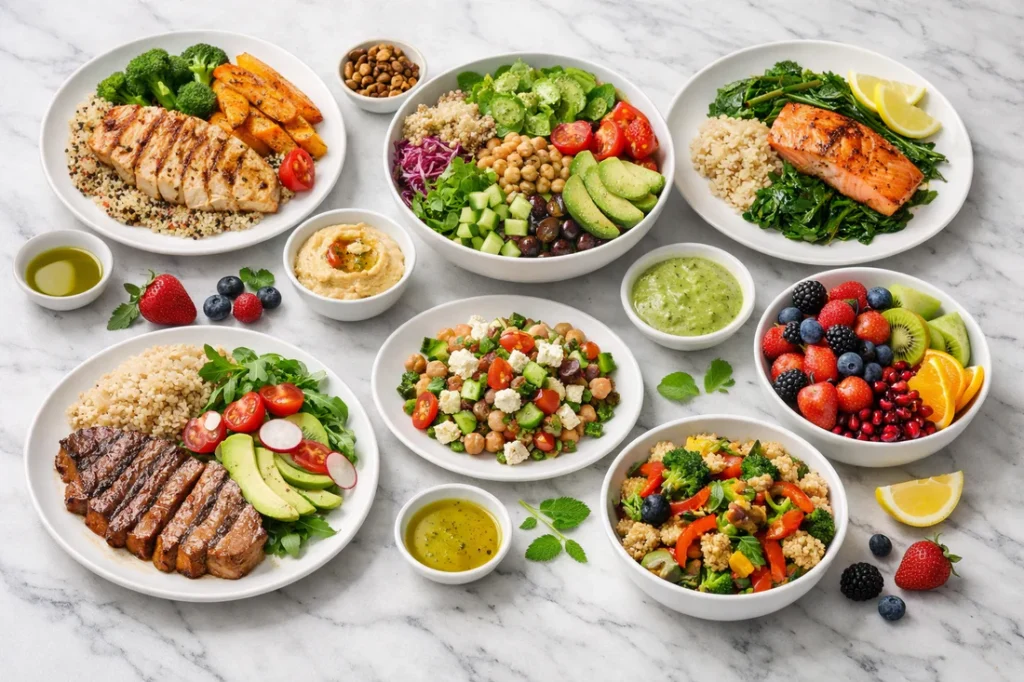
Say Yes to Non-Starchy Vegetables and High-Water Fruits
You’ll love knowing you can munch on these delicious foods without the stress of weight gain. Think about non-starchy veggies like leafy greens, crunchy cucumbers, vibrant peppers, and hearty broccoli. These options are low in calories but bursting with nutrients. Just imagine: a stalk of celery has only six calories! Perfect for snacking without guilt.
And let’s not forget about high-water fruits like juicy watermelon, luscious strawberries, and zesty oranges. These choices hydrate you and are filled with essential vitamins and minerals. By filling your plate with a colorful mix of vegetables and fruits, you can boost meal volume without cranking up your calorie intake.
Broth-Based Soups: A Warm, Low-Calorie Delight
Broth-based soups are a fantastic way to expand your meal while keeping things light. Load them up with veggies and lean protein, and you’ve got a warm, satisfying dish that’s also nourishing. Picture a vegetable soup packed with zucchini, carrots, and lentils—it’s hearty and filling but won’t weigh you down. Perfect for those chilly evenings!
Understanding the Science of Satiety
Fiber and Protein: Your Go-To Allies
Foods rich in fiber and protein are key players in keeping you full longer. By incorporating legumes, lean meats, eggs, and whole grains into your diet, you can better manage your appetite throughout the day. For instance, did you know that a cup of cooked lentils gives you about 18 grams of protein and 16 grams of fiber? That’s a double win for feeling satisfied and balancing out your blood sugar!
Research backs up the idea that grasping calorie density can help you make smarter food choices. Focus on high-fiber favorites like oats, quinoa, and various legumes. Pair them with a protein source to create balanced meals that fend off hunger.
Sustainable Eating Practices for Long-Term Success
Making lasting changes in your eating habits is vital for staying at a healthy weight. Instead of slipping back into old, unhealthy ways after a strict diet, try to embrace small changes that prioritize whole, unprocessed foods.
Skip the Restrictive Diets
Many studies show that restrictive dieting often ends up messing with your metabolism and can lead to unhealthy eating patterns afterward. So, instead of banning entire food groups, aim for a balanced mixed plate. Love pasta? Go for whole-grain versions or switch it up with zucchini noodles sometimes. This way, you can still enjoy what you love without feeling deprived.
Mindful Eating: Savor the Moment
Mindful eating is all about tuning into your body’s hunger signals and really enjoying your meals. Slow down and take the time to appreciate the flavors and textures on your plate instead of rushing through. Not only does this help improve your relationship with food, but it also makes it easier to notice when you’re satisfied.
Practical Steps for Sustainable Eating
Crafting Your Meal Plan
Creating a meal plan centered around whole, nutritious foods can kickstart your journey toward sustainable eating. Start introducing a variety of non-starchy veggies, protein-rich foods, and high-fiber grains. Here are a few easy tips to get you started:
1. Plan Ahead: Set aside some time each week to plan your meals. It makes it easier to choose healthier options instead of scrambling for quick, unhealthy fixes.
2. Batch Cooking: Think about preparing meals in bulk that can be easily reheated. This helps with portion control and ensures you always have tasty, healthy options at hand.
3. Explore Different Cooking Methods: How you cook can really impact the healthiness of your meals. Try steaming, baking, or grilling instead of frying, and get creative with herbs and spices to keep your meals exciting.
4. Mix It Up: Variety keeps things fresh! Experiment with new recipes, swap ingredients, and pick out seasonal produce to keep your meals interesting.
Conclusion
In conclusion, you can absolutely enjoy a wide range of foods while still managing your weight in a satisfying way. By focusing on nutrient-dense, low-calorie choices and incorporating fiber and protein, you’re on the right track. Plus, when you adopt sustainable eating practices, you nurture not just your physical health but also a positive relationship with food.
What are your thoughts on sustainable eating? Have any tips to share? I’d love to hear from you! Remember, small, mindful steps toward healthier eating can lead to meaningful changes in your life. So, let’s enjoy the journey together and make healthy eating a rewarding and fulfilling experience.
Written by Alexander Babinets
Founder of Express Fitness, certified coach, and author helping people get in shape without excuses.
📍 expressfitness.ca | 📩 info@expressfitness.ca
👤 More about me → alexanderbabinets.com
Hashtags: #eating #foods #protein #meals #sustainable #fiber #weight #food #healthy #enjoy #love #about #instead #like #into