
What is Burnout?
Understanding Burnout: Signs, Distinctions, and Recovery Strategies
Have you ever felt completely drained, both mentally and emotionally? You’re not alone. Burnout isn’t just some trendy term that gets thrown around in meetings; it’s a serious mental health issue that can touch anyone’s life, no matter their job or personal situation. It often comes from being under constant stress and can leave us feeling utterly exhausted in every way—emotionally, physically, and mentally. It’s so important to recognize burnout early and take action to protect your well-being. In this friendly chat, let’s dig into what burnout really is, how to tell it apart from depression, the experiences of neurodivergent folks, and some simple, practical ways to start recovering.
What is Burnout?
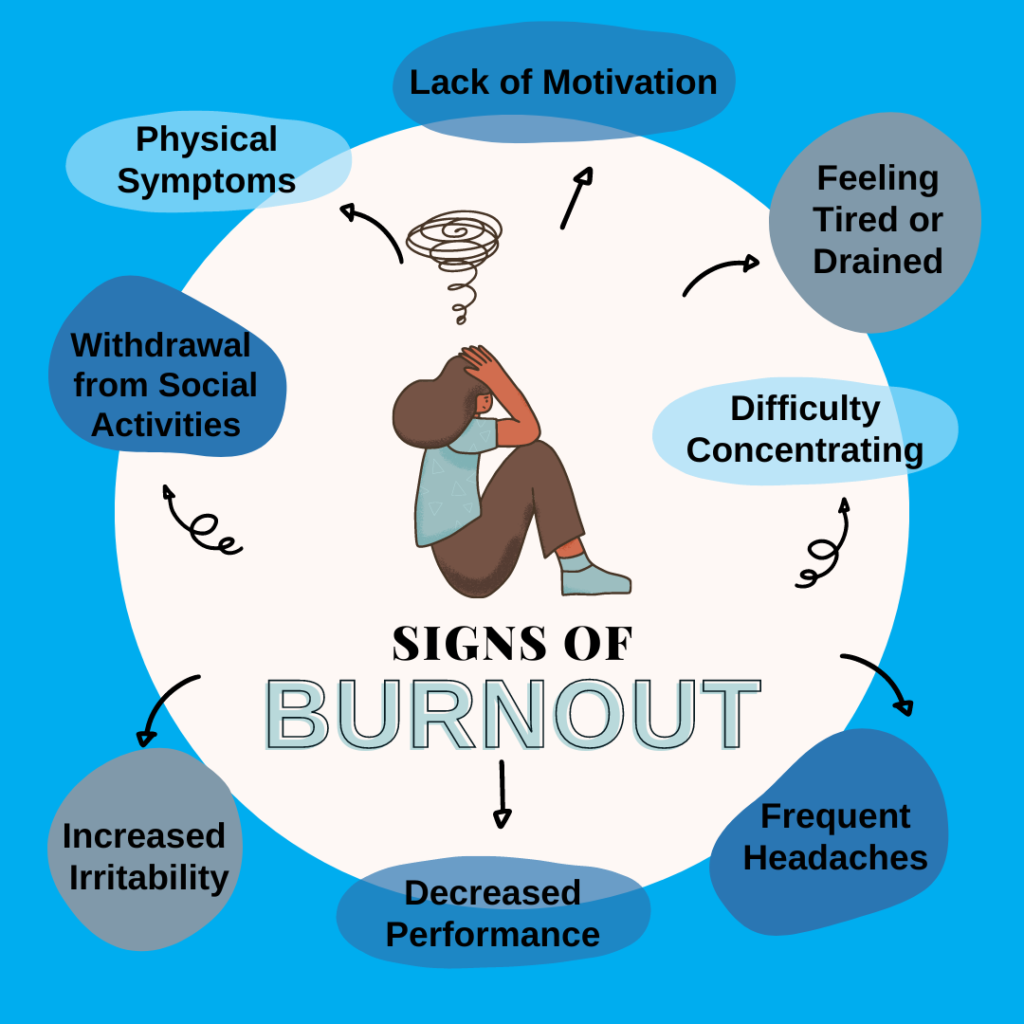
Burnout feels like wearing a heavy backpack filled with bricks every single day—a weight that leaves you constantly tired and detached. It usually comes from ongoing stress, whether it’s work-related or life-related. Here are a few signs that might show you’re dealing with burnout:
– Chronic fatigue: No amount of sleep seems to fix it.
– Feelings of ineffectiveness: You might think, “Am I even making a difference?”
– Increased cynicism: You may feel jaded about your work or life.
– Irritability: Small annoyances feel magnified, leading to frustration.
Recognizing Burnout Symptoms Early
Awareness is halfway to healing. When you can spot the early signs of burnout, you can take charge and make changes before it gets worse. Here are a couple of things to watch for:
– Physical Symptoms: Persistent headaches, stomach issues, or restless nights could be your body’s way of signaling burnout.
– Emotional Symptoms: Mood swings or feeling disconnected from your daily life? Those can be red flags, too.
Catching these signals early means you have a better chance of making changes that can lighten your load.
Burnout vs. Depression: Distinguishing Key Differences
It’s easy to confuse burnout with depression because they share some symptoms. But here’s where they diverge—and why it’s crucial to know the difference, especially if you’re neurodivergent.
Burnout
– Typically tied to work-related stress.
– Symptoms often improve with changes in your environment or self-care.
– It’s mostly about balancing work and life better.
Depression
– A deeper, more pervasive mental health condition that can linger independent of work stress.
– Symptoms tend to be consistent and often need professional help to tackle.
– It usually requires a multifaceted treatment approach, including therapy, medication, or both.
If you’re neurodivergent, figuring out whether you’re experiencing burnout or something deeper can be even tougher since some symptoms might overlap with your existing conditions. This makes it extra important for you and your support network to note the context surrounding these signs.
Unique Considerations for Neurodivergent Individuals
If you’re neurodivergent—think ADHD or autism—burnout can express itself in unique ways. You might deal with challenges like sensory overload or pressures that don’t align with your thinking style, which can pile on the stress.
Smart Management Strategies
Here are some strategies that can help:
1. Comfortable Workspaces: Create a setting that soothes rather than overwhelms—think cozy lighting or using noise-canceling headphones.
2. Reliable Routines: Set up a schedule that offers predictability, helping to ease anxiety and sharpen your focus.
3. Open Dialogue: Talk about how your neurodivergence affects your work and stress. It opens the door for support and understanding.
Practical Recovery Steps for Burnout
Recovering from burnout isn’t a one-size-fits-all journey. Here’s a balanced approach, drawing inspiration from Natacha Duke’s thoughtful recovery process.
1. Be Kind to Yourself
First and foremost, cut yourself some slack. It’s okay to feel burned out, and acknowledging that is a big step. Journaling can be a great tool to sort through your thoughts and feelings.
2. Follow Structured Recovery Steps
Duke suggests a six-step recovery process, which looks something like this:
– Identify Your Triggers: What situations ramp up your stress?
– Set Clear Boundaries: Don’t be afraid to say “no” to extra responsibilities.
– Ask for Help: Reach out to friends, family, or professionals— it’s okay to not do it all alone.
3. Foster a Support Network
Having people who understand makes a world of difference. Surround yourself with those who are patient and supportive, especially during tough times. Encouraging open conversations about mental health at work is also crucial.
How to Apply This Information
Feeling ready to tackle burnout? Here’s a simple plan to dive in:
Step 1: Take a Minute for Self-Reflection
Think about what’s been feeling heavy for you. Write down any physical symptoms you’re noticing, too.
Step 2: Use Structured Recovery Techniques
Bite off small pieces of recovery by using the tips we covered. Tackle things one step at a time so it doesn’t feel overwhelming.
Step 3: Open Up Conversations
Talk about what you need and how you feel with people you trust. This doesn’t just help you—it can also change the way others think about discussing mental health.
Conclusion
Burnout is a real and serious challenge that calls for understanding and action. By distinguishing between burnout and depression, and taking steps tailored to your needs, you can make strides toward feeling better—especially if you’re neurodivergent, facing stress in your own unique way. Remember, catching these signs early can help put you back on a positive path. If you found this information valuable, consider sharing it so we can all work together to break down the stigma around mental health. Your well-being is important—so don’t hesitate to seek out support. You deserve it!
Written by Alexander Babinets
Founder of Express Fitness • Certified Fitness Coach • Author
Helping people rebuild their health, mindset, and strength — without excuses, gimmicks, or fake motivation.
📍 expressfitness.ca
📩 info@expressfitness.ca
📘 My Books on Barnes & Noble → https://www.barnesandnoble.com/s/alexander%20babinets
📚 Мои книги на Литрес → https://www.litres.ru/search/?q=%D0%B0%D0%BB%D0%B5%D0%BA%D1%81%D0%B0%D0%BD%D0%B4%D1%80%20%D0%B1%D0%B0%D0%B1%D0%B8%D0%BD%D0%B5%D1%86
Hashtags: #burnout #stress #work #symptoms #recovery #about #some #neurodivergent #here #step #signs #mental #health #life #feeling