
Understanding Teletherapy
Introduction
Ever feel like anxiety is a mountain you just can’t climb? It can show up as constant worry, sleepless nights, or even weird physical symptoms like tight muscles or an upset stomach. It’s no surprise that, especially after the challenges of the COVID-19 pandemic, anxiety has become a bigger part of many lives. But here’s the good news: there are effective strategies that can really help you manage it. Dr. Bethany Juby, a licensed clinical psychologist who specializes in trauma and stress management, shares some valuable insights into how we can all navigate through these rough waters. Using approaches like Acceptance and Commitment Therapy (ACT) and Eye Movement Desensitization and Reprocessing (EMDR), she offers practical advice that you can start using right away. Plus, we’ll talk about teletherapy and how it can make accessing help easier than ever.
Understanding Teletherapy: A Modern Approach to Mental Health Support
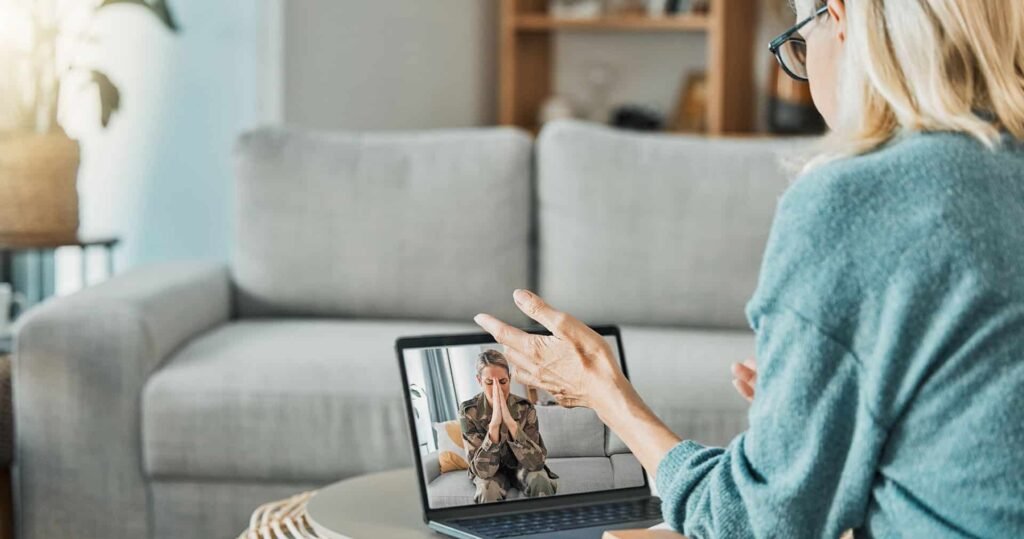
Teletherapy isn’t just a buzzword; it’s a game changer in how we get mental health support today. Dr. Juby has adapted her practice to provide remote therapy in 39 states, making it easier for you to receive care no matter where you are. This shift is crucial, especially for those who might find it tough to get to in-person appointments due to location, mobility issues, or even a busy schedule.
*Why Is Accessibility So Important?* One huge plus of teletherapy is how convenient it is. You can have sessions right from your living room, creating a comfortable space for open and honest talks. If you’re feeling anxious or just need someone to talk to, don’t hesitate to reach out to licensed professionals who can help you from anywhere.
Core Techniques for Managing Anxiety
Here are some practical strategies to help manage anxiety that Dr. Juby swears by. These aren’t just ideas you read about; they’re real-life tools you can use to bring some calm back into your life.
1. Deep Breathing Exercises: Calming the Mind and Body
Let’s kick things off with something simple yet incredibly effective: deep breathing. According to Scott Dehorty, this technique can really mess with that stressful fight-or-flight response. Here’s a handy method called three-part breathing that you can try:
1. Find a Comfortable Position: Sit or lie down wherever you feel at ease.
2. Inhale Slowly: Take a deep breath in through your nose for a count of four, letting your belly expand.
3. Hold Your Breath: Keep that breath in for a count of four.
4. Exhale Slowly: Breathe out through your mouth for a count of six, and as you do, notice how your body starts to relax.
5. Repeat: Go through this cycle a few times, and you should start to feel more grounded.
Deep breathing helps activate a system in your body that promotes relaxation, making it a solid go-to for those nail-biting moments.
2. Reframing Negative Thoughts: Shifting Your Perspective
Sometimes, anxiety tricks us into believing that the worst will definitely happen. Dr. Juby stresses the importance of reframing those negative thoughts. Here’s how you can get started:
1. Identify the Negative Thought: Write down what’s bothering you.
2. Challenge That Thought: Ask yourself, “Is this thought based on facts or just my fears?” and “What proof do I have that contradicts this?”
3. Craft a New, Positive Thought: Based on what you’ve uncovered, write an affirmation that counters your negative thought. For instance, if you’re thinking, “I’ll mess up at this job,” try flipping it to, “I’ve prepared well for this and I am capable.”
This technique helps reduce anxiety by swapping irrational fears with a more confident outlook.
3. Engaging in Physical Activity: Releasing Emotional Energy
Let’s talk about getting moving! Exercise isn’t just great for your physique; it’s a huge boost for your mental health, too. When you move your body, it releases feel-good chemicals called endorphins that can help lift your spirits. Dr. Juby encourages making physical activity a daily habit, and the best part is it can fit right into your life. Here’s how to get started:
– Start Small: If a full workout sounds overwhelming, kick things off with a 10-15 minute walk each day.
– Do What You Love: Whether it’s dancing, yoga, cycling, or even working in the garden—pick something that makes you happy.
– Set Achievable Goals: Make your fitness goals realistic. Rather than aiming for an hour at the gym, how about a brisk 20-minute walk instead?
Moving your body consistently not only helps cut down anxiety but can also improve your sleep and boost your mood.
4. Using Centering Objects: Anchoring Yourself in Stressful Moments
Centering objects can be a great way to ground yourself when anxiety is at its peak. Pick something small that you can carry with you, like a stress ball or a piece of jewelry that means a lot to you. Here’s how to make the most of centering objects:
1. Choose Your Object: Find something that feels comforting.
2. Turn Your Focus to That Object: When anxiety strikes, hold your chosen item. Pay attention to how it feels in your hand and its color. This helps redirect your racing thoughts.
3. Breathe and Reflect: As you focus on your object, practice some of that deep breathing to enhance the calming effect.
This simple act can really help you break the cycle of anxiety and get your thoughts back on track.
The Psychological and Physiological Effects of Anxiety
Anxiety doesn’t just stop at emotional distress; it can bring along physical symptoms like fatigue, digestive problems, and tight muscles. Recognizing this connection is critical for managing your anxiety effectively.
1. Physical Symptoms: Prolonged anxiety could lead to ongoing muscle tension, stomach issues, headaches, and general tiredness. Realizing that physical symptoms can be tied to anxiety is a reminder of how essential it is to treat our mental health.
2. Cognitive Effects: Anxiety can cloud your concentration and make you irritable. The techniques we’ve discussed can help ease those effects, helping you think more clearly and focus better.
How to Apply This Information
Now that you’ve got a toolkit of strategies, here’s how to weave them into your everyday life:
1. Daily Check-Ins: Set aside a few minutes daily to check in with yourself. Use this time to see how you’re feeling and which tools might help ease any stress.
2. Create a Routine: Build a daily or weekly routine that features time for physical activity, mindfulness exercises, and some cognitive reframing practice. Consistency will help you build resilience against anxiety.
3. Reach Out for Support: Don’t hesitate to use teletherapy services like those offered by Dr. Juby. Sometimes, having a supportive person in your corner can make a world of difference in managing anxiety.
4. Educate Yourself: Learn more about anxiety from trustworthy sources. The more you know, the better prepared you’ll be to tackle your mental health challenges.
Conclusion
Navigating anxiety can feel like a rollercoaster ride, but remember—you can take control. With the right techniques and support, you can start feeling more balanced and calm. Try incorporating some deep breathing exercises, challenge negative thoughts, get a little active, or use centering objects when you need to find your footing. And remember, with teletherapy becoming more accessible, reaching out for help is just a click away.
So, what are you waiting for? Give these strategies a shot, and let me know how they work for you. You’ve got this—and remember, you don’t have to face this journey alone. If you found this article helpful, I’d love to hear your thoughts in the comments. Let’s keep the conversation going—your mental health really matters, and taking action is a wonderful step forward.
Hashtags: #anxiety #help #just #like #physical #here #more #juby #some #teletherapy #mental #health #deep #breathing #thoughts