
Understanding Sugar Crashes: Causes, Effects, and Preventive Measures
Ever felt that dreaded drop in energy right after indulging in a sugary treat? You’re definitely not alone. Those frustrating sugar crashes can sneak up and ruin your focus, zapping your productivity just when you need it the most. So, what exactly causes these crashes, and how can you keep them at bay? In this post, we’ll dig into what sugar crashes are all about, explore their impact on our bodies, and share some straightforward tips to help you maintain that steady energy throughout your day.
What Causes Sugar Crashes?
What Is a Sugar Crash?
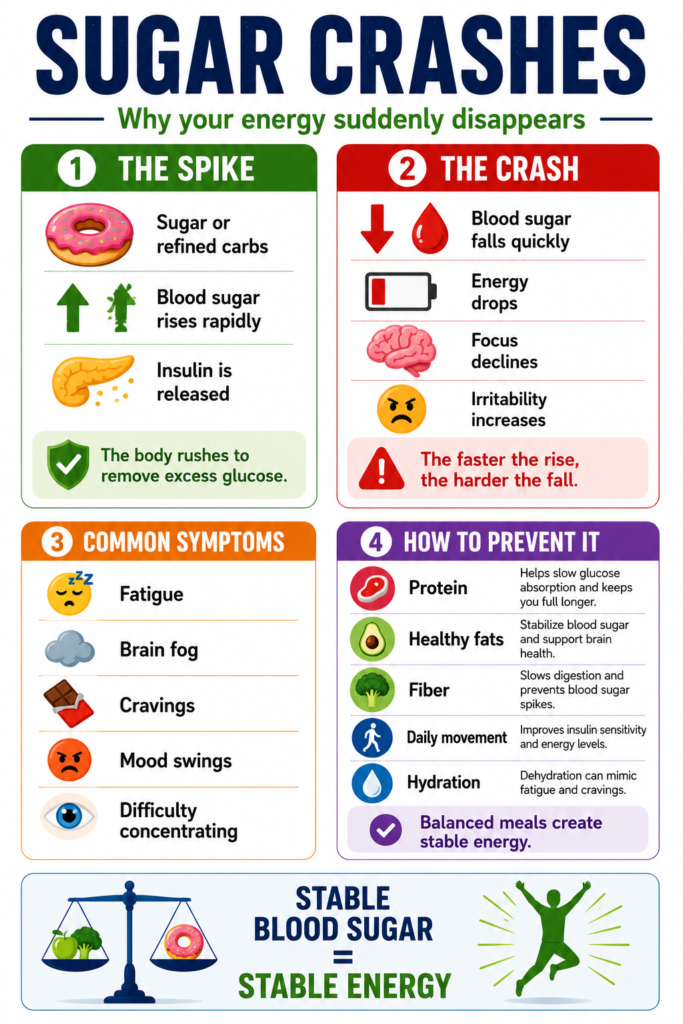
A sugar crash hits when your blood sugar levels spike after digging into sugary snacks or high-carb meals and then drop dramatically. This rapid descent leaves you feeling wiped out and unproductive. It’s like riding a roller coaster, but not the fun part.
The Role of Insulin
When you munch on sugary foods, your body jumps into action and releases insulin to bring those soaring blood sugar levels back down to normal. This response is important for keeping everything in check, but if you’ve had too much sugar and too much insulin is released, it can send your blood sugar crashing down too low. And when that happens, brace yourself for a serious energy slump.
Spotting the Signs of a Sugar Crash
Recognizing the symptoms can make a big difference in how you handle a sugar crash. Here are some signs to watch for:
1. Distraction and Trouble Concentrating: You find it hard to focus on tasks or even follow a conversation.
2. Mental Fog: Thoughts feel jumbled, making clear thinking a challenge.
3. Blurred Vision: Your eyesight might seem a bit off.
4. Mood Swings: You might feel unusually irritable or emotionally unstable.
For those with diabetes, these symptoms can hit harder, sometimes leading to confusion, seizures, or even loss of consciousness when blood sugar levels fluctuate dramatically.
How to Prevent Sugar Crashes
Eat Balanced Meals for Stability
Why Nutrient Diversity Matters
One of the best ways to fend off sugar crashes is by focusing on balanced meals. Instead of piling on the starchy and sugary foods, try to mix in proteins, healthy fats, and fiber. This approach doesn’t just keep your energy steady; it also helps reduce the chances of plummeting energy after a meal.
Simple Tips to Get Started:
– Plate Proportions: Picture this: fill half your plate with veggies, a quarter with lean protein (like chicken or tofu), and the last quarter with complex carbs (like quinoa or sweet potatoes).
– Choose Protein Snacks: Swap that candy bar for a handful of nuts, a cup of yogurt, or a slice of cheese when you’re craving a snack.
The Power of Protein
Why Protein Helps You Bounce Back
When you’re in the throes of a sugar crash, it might feel tempting to grab something sugary for a quick lift. But here’s a better option: reach for something protein-packed instead. Protein does a fantastic job of stabilizing blood sugar levels compared to those quick sugars. Relying on sugar can set off a frustrating cycle of highs and lows.
Great Protein Picks:
1. Nuts: Almonds, walnuts, or pistachios are perfect for snacking.
2. Lean Meats: Grilled chicken or turkey wrapped up makes for a tasty and filling choice.
3. Legumes: Toss some beans or lentils into your salads or sides for an extra protein boost.
Keeping Your Energy Levels Steady
Now that we’ve laid the groundwork, let’s get into some actionable steps to keep your energy flowing throughout the day:
1. Kick off Your Day Right: Don’t skip breakfast! Include whole grains, proteins, and healthy fats (like avocado or nut butter) to set a strong tone for your day.
2. Plan Meals Ahead: Prepare meals in advance so that balanced options are ready to go. This way, you can dodge those last-minute grabs for unhealthy snacks.
3. Watch Your Portions: Keep an eye on serving sizes, especially with high-carb foods, to prevent overwhelming your system with sugar.
4. Stay Hydrated: Sometimes, fatigue is just thirst in disguise. Keep your water bottle handy and sip throughout the day to stay refreshed.
5. Get Moving: Regular physical activity can boost your body’s ability to manage insulin effectively, contributing to better blood sugar control over time.
6. Learn About the Glycemic Index: Getting familiar with the Glycemic Index helps you make smart food choices that won’t throw you into a sugar spiral.
Final Thoughts
Sugar crashes can throw a wrench into your day, so understanding why they happen and how to prevent them is super important. Focus on balanced meals, get to know your macronutrients, and implement these practical strategies to keep your energy levels stable. Pay attention to how your body reacts to different foods, and consider making small, manageable changes to your diet.
Have you found yourself facing a sugar crash? How do you stay energized throughout your day? I’d love to hear your thoughts in the comments! And if you found this post helpful, why not share it with someone else who might benefit? Together, we can tackle those pesky sugar crashes!
Written by Alexander Babinets
Founder of Express Fitness • Certified Fitness Coach • Author
Helping people rebuild their health, mindset, and strength — without excuses, gimmicks, or fake motivation.
📍 expressfitness.ca
📩 info@expressfitness.ca
📘 My Books on Barnes & Noble → https://www.barnesandnoble.com/s/alexander%20babinets
📚 Мои книги на Литрес → https://www.litres.ru/search/?q=%D0%B0%D0%BB%D0%B5%D0%BA%D1%81%D0%B0%D0%BD%D0%B4%D1%80%20%D0%B1%D0%B0%D0%B1%D0%B8%D0%BD%D0%B5%D1%86
Hashtags: #sugar #crashes #energy #protein #when #into #those #keep #crash #blood #levels #meals #sugary #what #some