
Understanding Hormonal Imbalances
Understanding Hormonal Imbalances: Causes, Symptoms, and Natural Management
Have you ever felt a bit off—maybe more anxious than usual or just not quite like yourself? You’re definitely not alone, and those feelings could be tied to fluctuations in your hormones. Hormonal imbalances can influence various aspects of our lives, from our mood and energy levels to weight changes and reproductive health. This is especially true for individuals assigned female at birth (AFAB), who may experience these shifts during key life stages like puberty or menopause. In this guide, let’s talk through what hormonal health really means, explore the causes and symptoms, and discuss natural ways to regain your balance.
What Is Hormonal Imbalance, Anyway?
Hormonal imbalance happens when there’s an unusual amount of a hormone—either too much or too little—floating around in your bloodstream. Given that we have over 50 hormones at play in our bodies, even a tiny imbalance can spark a variety of issues, ranging from weight gain and mood swings to reproductive challenges.
Why Hormones Matter for Your Health
Think of hormones as the body’s messaging system. They regulate everything from metabolism to emotional well-being. For instance, if your thyroid hormones dip too low, you might find yourself gaining weight and feeling sluggish. On the flip side, when stress ramps up cortisol levels, fatigue and anxiety can settle in. Recognizing how even small hormonal fluctuations can affect your entire well-being is key to maintaining good health.
What Causes Hormonal Imbalances?
So what actually triggers these imbalances? Understanding the root causes is a key step in managing them effectively.
Common Triggers of Hormonal Imbalance
1. Age: As we age, it’s totally normal for hormone production to fluctuate. Think about those big life phases—puberty, pregnancy, and menopause—all times when hormonal changes are particularly profound.
2. Health Conditions: Certain medical issues like polycystic ovary syndrome (PCOS), thyroid disorders, and diabetes can interfere with your body’s hormone production.
3. Lifestyle Choices: Stress, poor diet, lack of exercise, and even some medications can throw your hormones out of whack. For those AFAB, additional factors like menstruation and childbirth only add to the complexity.
Signs You Might Be Experiencing Hormonal Imbalances
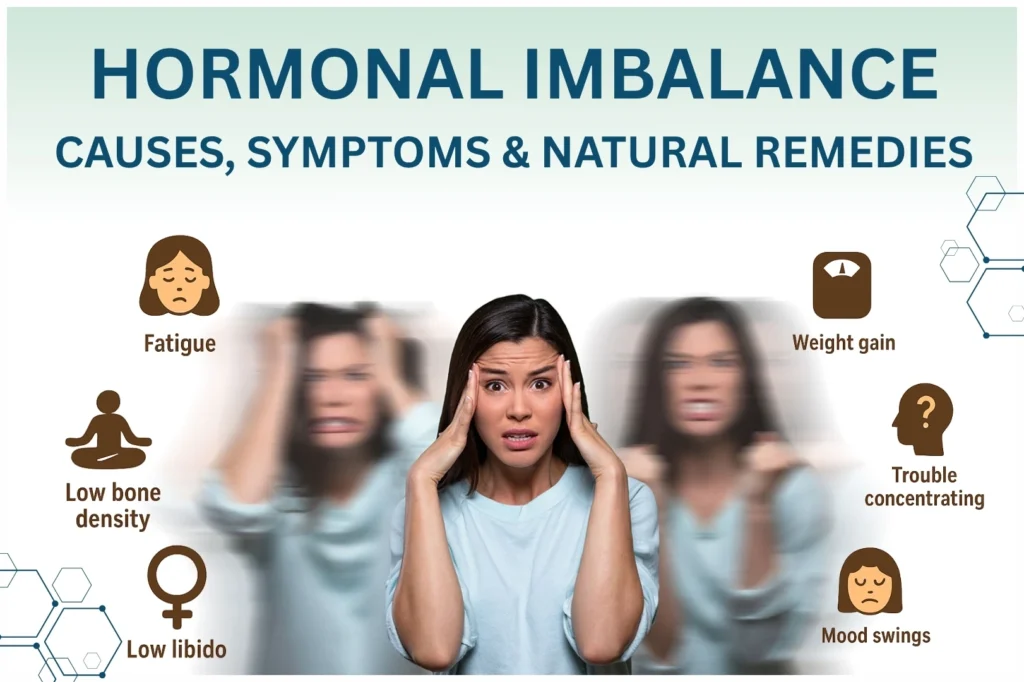
If you’re paying attention to your body, you might notice some telltale signs of hormonal imbalance. Here are a few symptoms that can crop up:
– Menstrual Irregularities: Are your cycles changing in length or intensity?
– Hair Changes: Experiencing more hair loss or surprising hair growth?
– Skin Issues: Getting unexpected acne breakouts or increased skin sensitivity?
– Weight Fluctuations: Noticing sudden weight changes without any clear reason?
– Mood Swings: Feeling more anxious or irritable than usual?
– Sleep Disturbances: Struggling to fall asleep or stay asleep?
– Digestive Problems: Bloating or irregular bowel movements causing discomfort?
If any of this resonates with you, consider reaching out to a healthcare provider for a deeper look into your hormonal health.
Natural Ways to Manage Hormonal Imbalances
Taking charge of your hormonal health doesn’t have to be a daunting task—it often starts with some straightforward lifestyle changes that can make a significant difference.
Adjust Your Diet
What you eat can profoundly influence your hormone levels. Here are some dietary shifts to consider:
– Opt for Healthy Fats: Incorporate omega-3-rich foods like fatty fish, flaxseeds, and walnuts into your meals. They can effectively support hormonal balance.
– Load Up on Fiber: A fiber-rich diet helps your digestive system and supports your body in flushing out excess hormones. Think whole grains, fruits, and plenty of veggies.
– Get Enough Protein: Don’t forget to include enough protein in your diet. It’s essential for stabilizing blood sugar levels, which is crucial for keeping your hormones balanced.
Cruciferous Vegetables: Broccoli, cauliflower, and kale are your friends. They assist your liver in detoxifying excess estrogen, paving the way for better hormonal harmony.
Prioritize Your Sleep
Never underestimate the power of sleep when it comes to hormonal health. A good night’s rest plays a vital role. Lack of sleep can increase cortisol levels, worsening hormonal issues. Aim for 7-9 hours of quality sleep each night.
Tips to Improve Sleep:
– Establish a calming bedtime routine.
– Put away screens at least an hour before bed.
– Set up a comfortable, dark, and quiet sleep environment.
Get Moving
Regular physical activity is key for hormone balance by lowering stress and helping maintain a healthy weight. Aim for at least 150 minutes of moderate-intensity exercise each week—this could be brisk walking, cycling, yoga, or strength training.
How to Put This Into Action
Feeling ready to take the next steps toward better hormonal health? Here’s a simple game plan to get you started:
1. Take Stock of Your Diet: Spend a week tracking what you eat. Look for easy ways to add more healthy fats, fiber, and protein.
2. Focus on Your Sleep: Assess your bedtime habits. What changes can you make to ensure you get that all-important 7-9 hours of restful sleep?
3. Make Time for Movement: Find an activity you enjoy, and start small. Whether it’s a daily walk or joining a local exercise class, every bit counts!
4. Talk to a Professional: If symptoms linger or seem concerning, don’t hesitate to consult a healthcare provider. They can offer personalized guidance and suggest testing or treatment options.
Wrapping It Up
Understanding your hormonal health matters—both for your well-being and quality of life. Recognizing the causes and symptoms of hormonal imbalances is the first step toward feeling like yourself again. By making simple tweaks in your diet, sleep routine, and exercise, you can take charge of your health. And remember, it’s always wise to seek advice from healthcare professionals to get support that’s right for you.
Have you noticed signs of hormonal imbalance? What steps have you tried to tackle it? I’d love to hear from you in the comments below—let’s support each other on this journey. And hey, don’t forget to check out more helpful content on our blog. Your path to better hormonal health can begin today!
Written by Alexander Babinets
Founder of Express Fitness • Certified Fitness Coach • Author
Helping people rebuild their health, mindset, and strength — without excuses, gimmicks, or fake motivation.
📍 expressfitness.ca
📩 info@expressfitness.ca
📘 My Books on Barnes & Noble → https://www.barnesandnoble.com/s/alexander%20babinets
📚 Мои книги на Литрес → https://www.litres.ru/search/?q=%D0%B0%D0%BB%D0%B5%D0%BA%D1%81%D0%B0%D0%BD%D0%B4%D1%80%20%D0%B1%D0%B0%D0%B1%D0%B8%D0%BD%D0%B5%D1%86
Hashtags: #hormonal #health #sleep #hormones #what #imbalances #like #weight #changes #imbalance #diet #causes #symptoms #more #levels