
Understanding Edema: Causes, Symptoms, and Management Strategies
Introduction
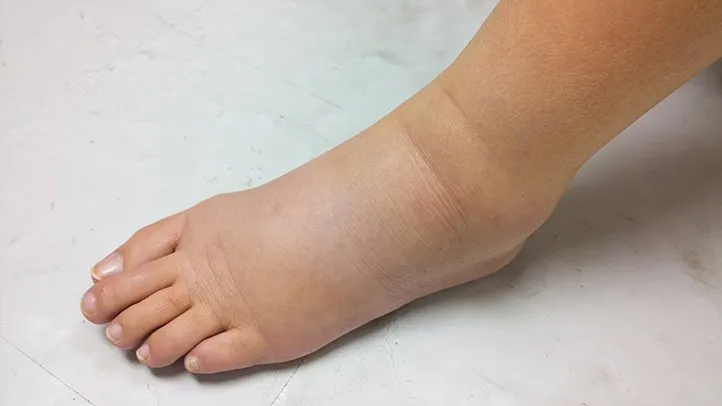
Have you ever noticed your feet or ankles swelling up unexpectedly? If so, you might be familiar with a condition known as edema. This isn’t just a minor inconvenience—it’s the result of fluid accumulating in your body’s tissues, which can lead to discomfort and even complications if it’s not addressed. But don’t worry! Learning more about edema—what causes it, how to recognize the symptoms, and the best strategies to manage it—can empower you to take charge of your health. Let’s dive in and explore how you can navigate this condition with confidence and ease.
—
What is Edema?
So, what’s edema, really? It’s when your body’s tissues start holding onto extra fluid, resulting in noticeable swelling. While it can happen anywhere, it tends to show up most in the feet, ankles, legs, and sometimes even the face or arms. The noticeable swelling can vary a lot—some people might just feel a bit puffy, while others can find it so pronounced that it interferes with their daily lives.
Common Symptoms
If you’re wondering whether you might be dealing with edema, look out for these signs:
– Swelling or puffiness in the area
– Skin that feels tight or stretched when you press it
– A heavy or uncomfortable sensation in the swollen spot
– Changes in the color or texture of the skin around the swelling
—
Causes of Edema
Understanding what’s behind edema is crucial for figuring out how to manage it. Several different factors can contribute to this condition:
1. Health Conditions
– Heart Issues: When the heart isn’t functioning properly, it can cause fluid to build up, especially in the legs and abdomen.
– Kidney Problems: If kidneys struggle to filter blood effectively, excess fluid can accumulate in your body.
– Liver Disorders: Conditions like cirrhosis disrupt the proteins that keep fluids balanced in your body.
2. Lifestyle Factors
– Diet: Eating too much sodium can lead to water retention, making swelling worse. It’s a good idea to cut back on processed snacks and incorporate potassium-rich foods into your meals.
– Prolonged Immobility: Sitting or standing for long periods can slow down circulation, causing fluids to pool in your lower extremities.
3. Medications
Some medications, like NSAIDs, calcium channel blockers, and certain antidepressants, can lead to or worsen edema. If you’re taking medication and have concerns, chatting with your healthcare provider is essential.
4. Pregnancy
Many expectant mothers experience edema—thanks to hormonal changes and increased fluid volume, especially in the later stages of pregnancy.
—
Management Strategies for Edema
If you’re navigating edema, knowing how to manage it can make a world of difference to your comfort and quality of life. Here are a few practical strategies to consider:
1. Medical Assessment and Treatment
If the swelling sticks around or doesn’t have a clear cause, it’s a smart move to see a healthcare provider. They can help pinpoint what’s going on and recommend treatments that might include:
– Diuretics: These medications can help your body get rid of excess fluid.
– Compression Garments: Compression stockings can offer some relief by improving circulation in your legs and reducing swelling.
2. Lifestyle Adjustments
Making some simple changes in your daily routine can go a long way:
– Limit Salt Intake: Cutting down on sodium can help reduce fluid retention.
– Stay Active: Finding time for regular exercise boosts circulation and prevents fluid buildup.
– Elevate Your Feet: Whenever you can, reclining with your feet raised can help fluids flow back towards your heart more efficiently.
3. Self-Care Practices
You can also incorporate self-care habits that may help with mild edema:
– Hydrate: It might seem odd, but staying well-hydrated can help your body flush out extra sodium and fluid.
– Monitor Your Weight: Keeping track of your weight can alert you to sudden changes that hint at fluid retention.
—
Implications for Patients and Healthcare Providers
Recognizing the symptoms of edema is crucial for everyone involved—both patients and healthcare providers. Getting ahead of this condition with early consultation can lead to better outcomes, reducing discomfort, and improving overall well-being, especially for those managing chronic health issues.
Importance of Patient Education
For anyone coping with edema, becoming familiar with its symptoms empowers you to monitor your condition and take an active role in your treatment planning. Learning about self-management methods, like lifestyle changes, can help you regain control over your health.
—
How to Apply This Information
Ready to take charge of your edema? Here’s how to get started:
1. Monitor Your Daily Habits: Pay attention to any changes in swelling or discomfort.
2. Talk to Your Healthcare Provider: Discuss any medications you’re on that might be causing edema.
3. Incorporate Gentle Exercises: Simple activities like short walks or leg lifts can really help with circulation.
4. Adjust Your Diet: Think about cutting back on salty foods and snacks.
5. Look into Compression Garments: These can provide much-needed support, especially if you’re on your feet a lot.
—
Conclusion
Edema can definitely affect your daily life, but the good news is that understanding its causes and management strategies is the crucial first step toward feeling better. Whether it’s tweaking your diet, moving more, or seeking the right medical support, there are plenty of ways to tackle this condition. Remember, your health journey is yours to navigate, and being proactive can lead to meaningful changes. If you or someone you care about is dealing with edema, don’t hesitate to seek advice from healthcare professionals for tailored support.
Have you faced challenges with edema? What strategies have worked for you? I’d love to hear your experiences in the comments, and feel free to check out our other health articles on the blog for more helpful insights!
—
This article aims to arm you with the knowledge you need to manage edema effectively. You’re not alone in this—let’s take steps together toward better health!
Hashtags: #edema #fluid #swelling #help #health #changes #strategies #might #condition #body #what #healthcare #symptoms #feet #lead