
Understanding and Overcoming Burnout: A Complete Guide
Ever felt like you’re just running on empty? In our fast-paced world, burnout isn’t just a buzzword; it’s a real struggle for many, whether you’re juggling a demanding job, navigating the emotional weight of caregiving, or dealing with personal responsibilities. It’s crucial to understand what burnout is and where it comes from. Together, we’ll dive into the heart of burnout, how to tell it apart from clinical depression, and practical recovery strategies—especially for those who might think differently, like neurodivergent folks.
What is Burnout? Spotting the Signs
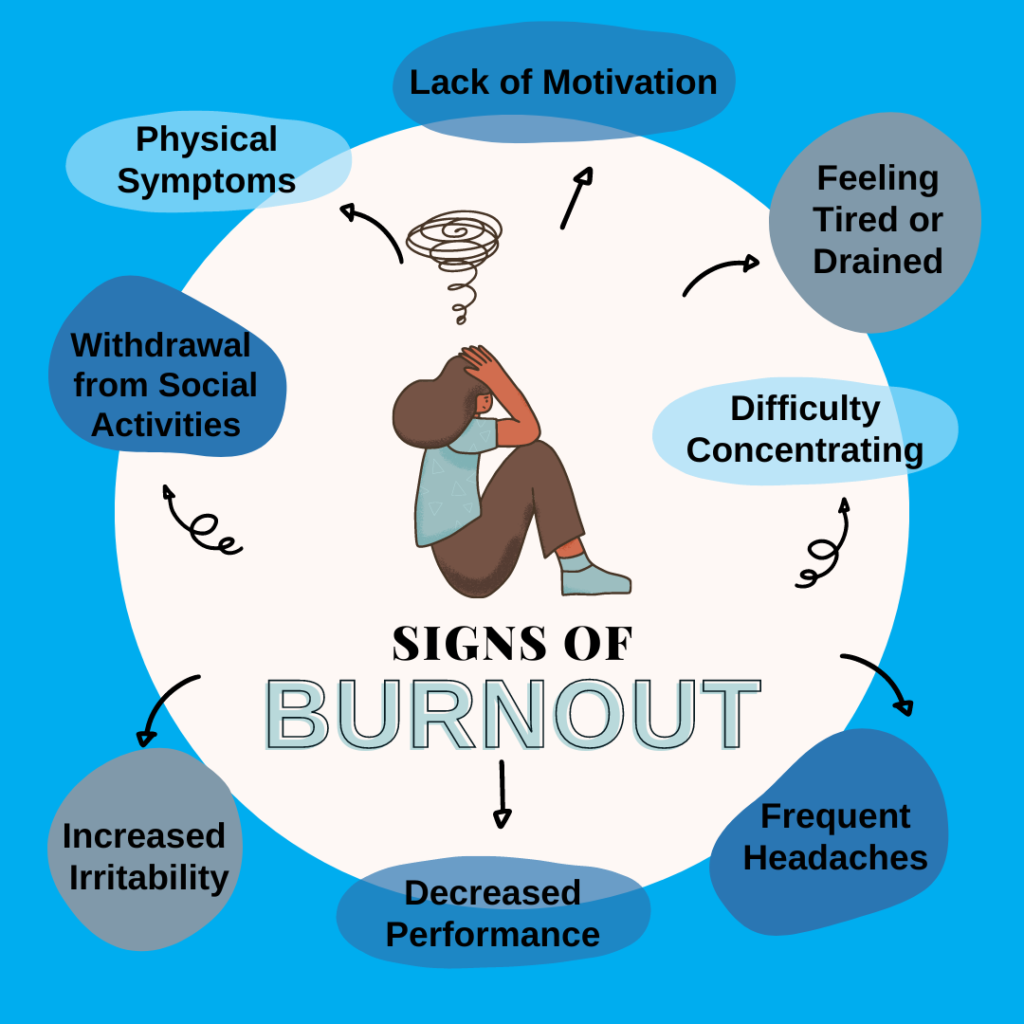
Burnout shows up as deep emotional, physical, and mental exhaustion. It can leave you feeling hopeless, cynical, and disconnected from everything around you. While the signs of burnout can differ from person to person, here are some common clues that you might be experiencing it:
– Ongoing fatigue and low energy.
– Increased irritability or mood swings that feel out of control.
– A sense of dread about work or daily responsibilities.
– Trouble focusing or making decisions that used to be easy.
– Pulling away from friends and social activities.
What Triggers Burnout?
Burnout can spring from different sources of stress, such as:
– Work-related stress: Long hours, heavy workloads, and feeling unappreciated can eat away at your energy.
– Caregiving: Looking after loved ones, be it children or aging parents, can drain your emotional batteries.
– Life pressures: Balancing relationships, financial worries, and personal goals can ramp up your stress.
Catching these signals early is key to managing and recovering from burnout. It’s perfectly okay to acknowledge that things aren’t right. Let’s start from there.
Burnout vs. Clinical Depression: What’s the Difference?
While burnout and clinical depression can overlap—think fatigue and a general loss of interest—it’s essential to recognize how they differ:
– Burnout tends to have clear outside triggers like work stress or caregiving demands; it often feels like a reaction to ongoing pressure.
– Depression, on the other hand, can come from a mix of internal and external factors, including genetics and life events, and generally needs deeper intervention.
Ways to Figure It Out
To tell whether you’re dealing with burnout or something deeper like depression, take a moment for some self-reflection. Think about what’s been stressing you out, how you feel about your work and relationships, and don’t hesitate to talk to a mental health professional if you’re unsure. According to registered psychotherapist Natacha Duke, a structured evaluation can help make sense of your feelings and whether you might need extra support.
How Neurodivergence Plays a Role in Burnout
If you’re neurodivergent—like someone with ADHD, autism, or OCD—you may experience burnout differently. Your unique way of thinking and processing emotions can lead to different signs of burnout. Here are some factors to consider:
– Different stress signals: Overstimulating social situations or sensory overload can lead to burnout in ways that might not be obvious to others.
– Specific support needs: Recovery may take longer, and strategies need to be customized for you, underscoring the need for understanding from mental health professionals and employers.
Six Steps to Recover from Burnout
A study from *Work and Stress* shows that just taking time off isn’t the magic fix for burnout. Here’s a down-to-earth list of six steps you can take:
1. Reach Out for Support: Chat with a mental health pro or join a support group. Sharing can lighten the load and bring fresh ideas for coping with stress.
2. Look at Your Situation: Take a close look at what’s getting overwhelming. What roles and responsibilities seem too demanding? Think about what you can adjust or even let go of.
3. Set Healthy Boundaries: It’s okay to say no sometimes. Setting boundaries around work and personal life is super important. You might need to leave work at work and carve out time for yourself.
4. Make Self-Care a Priority: Self-care doesn’t have to be extravagant—sometimes, simple pleasures like diving into a favorite hobby or enjoying quiet moments are all you need.
5. Try Stress Management Techniques: Simple habits like journaling, meditation, or even a short walk can help keep daily stress levels in check.
6. Discover New Hobbies: Engaging in creative activities or physical exercise can help take your mind off things and ease feelings of burnout.
Taking Practical Steps to Manage Burnout
Now, let’s bring these insights into your everyday life:
1. Create a Wellness Culture at Work: If you’re in a leadership role, champion mental health initiatives. Encourage open discussions about burnout to foster an understanding workplace culture.
2. Provide Educational Resources: Make sure tools and workshops are available to help individuals manage stress proactively.
3. Create Support Systems for Neurodivergence: If you or someone you know is neurodivergent, ensure the support systems in place are inclusive and meet specific needs.
Wrap-Up: Taking Charge of Your Well-Being
Burnout can feel like a huge mountain to climb, but taking the time to understand it and confront it can lead to a path of recovery and renewal. By recognizing the signs, distinguishing it from depression, and taking proactive steps, you can regain a sense of control.
If burnout is starting to creep in, pause for a moment and evaluate what’s going on. Remember, you don’t have to tackle this alone—reach out for support, share your experiences in the comments, and check out our other content for more mental health and wellness tips. You’re not alone in this; many are facing similar journeys. Let’s lift each other up.
Call to Action
Want to dive deeper into managing stress and avoiding burnout? Subscribe to our newsletter, and we’ll send you more insights and helpful resources right to your inbox!
Written by Alexander Babinets
Founder of Express Fitness • Certified Fitness Coach • Author
Helping people rebuild their health, mindset, and strength — without excuses, gimmicks, or fake motivation.
📍 expressfitness.ca
📩 info@expressfitness.ca
📘 My Books on Barnes & Noble → https://www.barnesandnoble.com/s/alexander%20babinets
📚 Мои книги на Литрес → https://www.litres.ru/search/?q=%D0%B0%D0%BB%D0%B5%D0%BA%D1%81%D0%B0%D0%BD%D0%B4%D1%80%20%D0%B1%D0%B0%D0%B1%D0%B8%D0%BD%D0%B5%D1%86
Hashtags: #burnout #stress #like #what #work #support #depression #mental #might #about #take #health #need #taking #into