
Practical Strategies for Stress and Anxiety Management
Ever felt like the weight of the world is resting on your shoulders? You’re not alone. In today’s nonstop society, stress and anxiety seem to sneak into our daily lives more often than we’d like. That’s why having some solid tools and techniques at your fingertips is so important. In this post, we’re diving into practical strategies for managing stress and anxiety, drawing on insights from Dr. Bethany Juby, a knowledgeable mental health professional who specializes in trauma recovery and teletherapy. Together, let’s uncover some actionable steps you can take to improve your mental well-being.
Teletherapy Accessibility: A New Era of Mental Health Services
Expanding Access: One of the real game changers in mental health support these days is teletherapy. Thanks to professionals like Dr. Juby, who can offer services across 39 states, reaching out for help has never been easier. This is a lifeline for folks who live in rural or underserved areas where mental health resources can be tough to find.
Why It’s Important: Teletherapy helps break down barriers that often keep people from seeking help—like transportation issues or jam-packed schedules. With this easier access, you can feel empowered to take that first step toward managing your mental health, gently sidestepping the stigma that sometimes comes with in-person visits.
Actionable Steps:
– Explore Teletherapy Options: Check for licensed therapists who provide telehealth services in your area. Many websites let you filter by specialties so you can find someone who fits your needs.
– Leverage Online Resources: Sites like Psychology Today or BetterHelp can connect you with professionals and even support groups that might be just what you need.
Breathing Techniques for Calm: Mastering Your Response to Stress
Deep Breathing: A Simple Yet Powerful Tool
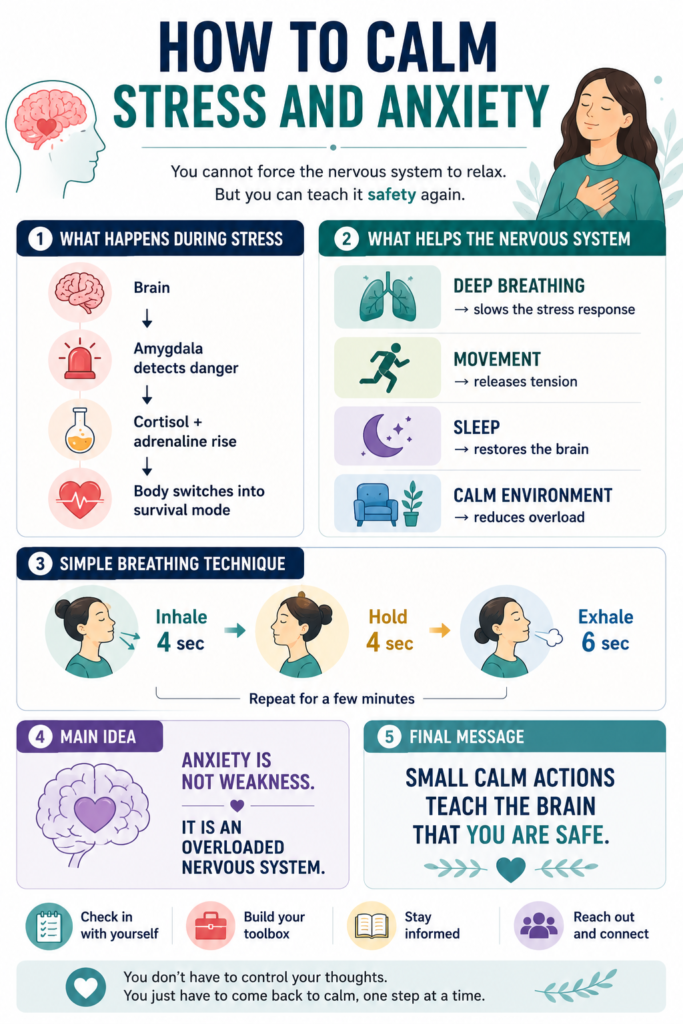
Breathing techniques can be incredibly effective for managing anxiety and stress. One great method is three-part breathing, which switches off your body’s fight-or-flight response and activates a sense of relaxation instead.
Scott Dehorty, LCSW-C, points out that focusing on intentional breathing can really help cut down on feelings of anxiety and discomfort. This deep breathing not only soothes your mind but also calms your heart rate and lowers your blood pressure.
How to Practice Three-Part Breathing:
1. Find Your Comfort Zone: Sit or lie down in a quiet space where you can relax.
2. Breathe Deeply: Inhale through your nose for four counts, letting your abdomen rise fully.
3. Pause: Hold that breath for four counts.
4. Exhale Slowly: Release your breath through your mouth for six counts, allowing any tension to flow out with it.
5. Repeat: Keep this rhythm for a few minutes until you start feeling calm.
Extra Tips:
– Use Guided Sessions: Check out apps like Calm or Headspace, which have guided breathing exercises and mindfulness practices to help you get started.
– Make Breathing Techniques a Habit: Try working some deep breathing into your daily routine—whether it’s during a break at work or any time you feel overwhelmed.
Coping Strategies Beyond Therapy: Elevating Your Well-Being
What Else Can You Do? While therapy does wonders, adding some supplementary coping strategies into your toolkit can really help manage daily stress and anxiety more effectively. Think along the lines of physical activity, visualization, and progressive muscle relaxation—each of these is a fantastic technique.
Progressive Muscle Relaxation (PMR)
Progressive Muscle Relaxation involves tensing and then relaxing different muscle groups throughout your body, helping to ease the physical tension tied to stress. Research supports its effectiveness in reducing anxiety, so it’s worth a shot.
Steps to Practice PMR:
1. Find a Cozy Spot: Settle into a comfortable position.
2. Start from Your Feet: Tense the muscles in your feet for about five seconds, then relax them and notice how different they feel.
3. Work Your Way Up: Continue this process through your calves, thighs, abdomen, arms, neck, and face.
4. Focus on Your Breathing: Keep practicing deep breathing while you relax each muscle group.
Visualization Techniques:
Imagining peaceful places can also be a terrific way to cut stress. Picture a calming beach or a lush forest—really immerse yourself in the sights and sounds to let that relaxation wash over you.
Practical Applications:
– Plan Regular Check-Ins: Set aside time each week to practice these techniques or look for new ones.
– Move Your Body: Make it a point to include physical activity in your routine—start simple with a daily walk, and see how it lifts your spirits.
How to Apply This Information: Making Mental Health a Priority
Bringing these strategies into your everyday life can seriously boost your mental well-being. Here’s a step-by-step guide to help you implement what you’ve learned:
1. Assess Where You’re At: Take a moment to check in with yourself. What stresses you out? Which techniques resonate with you the most?
2. Build Your Toolbox: Assemble a personal mental health toolbox that includes the strategies that work for you—whether that’s breathing exercises, PMR, visualization, or teletherapy.
3. Stay Informed: Keep up with reliable mental health blogs, podcasts, or webinars for fresh techniques and resources.
4. Reach Out to Others: Talk with friends or join support groups to share experiences—the emotional support can be invaluable.
Conclusion: Your Path to Managing Mental Health
Managing your mental health is crucial to your overall well-being, and taking proactive steps against stress and anxiety is key. By using teletherapy, mastering breathing techniques, and adopting practical coping strategies, you can create a path towards a healthier mindset and a fuller life.
I’d love to hear your thoughts! Share your own experiences or any tips that have worked for you in the comments. Remember, your mental health journey is personal, and every little step you take counts as a win. If you’re looking for more helpful resources, don’t hesitate to explore other content on our site. Together, we can build a supportive community that emphasizes the importance of mental health and encourages proactive care.
Written by Alexander Babinets
Founder of Express Fitness • Certified Fitness Coach • Author
Helping people rebuild their health, mindset, and strength — without excuses, gimmicks, or fake motivation.
📍 expressfitness.ca
📩 info@expressfitness.ca
📘 My Books on Barnes & Noble → https://www.barnesandnoble.com/s/alexander%20babinets
📚 Мои книги на Литрес → https://www.litres.ru/search/?q=%D0%B0%D0%BB%D0%B5%D0%BA%D1%81%D0%B0%D0%BD%D0%B4%D1%80%20%D0%B1%D0%B0%D0%B1%D0%B8%D0%BD%D0%B5%D1%86
Hashtags: #mental #breathing #health #stress #techniques #anxiety #strategies #teletherapy #like #into #help #managing #relaxation #muscle #practical