
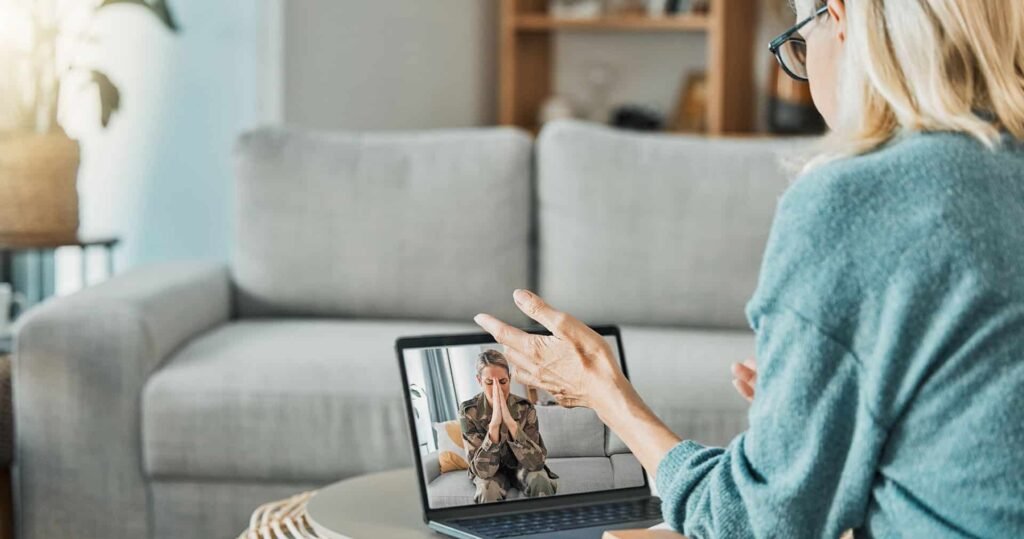
Managing Anxiety: The Power of Teletherapy
Managing Anxiety: Practical Strategies for Stress Relief and the Role of Mental Health Professionals
Hey there! Have you ever felt like anxiety is creeping in, especially in our busy everyday lives? Whether it’s about juggling work, navigating relationships, or just dealing with everything going on in the world right now, learning how to manage anxiety is key to keeping our spirits up. In this post, we’ll explore some straightforward strategies to help you tackle anxiety head-on and highlight how mental health professionals like Dr. Bethany Juby are stepping up with convenient options like teletherapy. So, if you’ve found yourself feeling overwhelmed, let’s dive into some practical steps that can help you find your peace again.
Why Mental Health Professionals Matter
Let’s get straight to the point: mental health professionals are here to help, and they’re vital in managing anxiety. Thanks to teletherapy, tapping into mental health support has never been easier. Professionals like Dr. Bethany Juby use techniques such as Acceptance and Commitment Therapy (ACT) and Eye Movement Desensitization and Reprocessing (EMDR) to aid in trauma recovery.
The Power of Teletherapy
Teletherapy might just be the flexible solution you need. Picture this: being able to chat with a therapist in your sweatpants from the comfort of your home. That’s the beauty of teletherapy. It gained popularity for good reason, especially when in-person visits felt intimidating or were simply not an option. If you’re thinking about therapy, give teletherapy a shot. You’ll find qualified professionals ready to support you through your challenges.
Spotting Anxiety: Recognize the Signs
Anxiety isn’t just all in your head—it shows up physically and emotionally, too. The first step in managing it is knowing what to look out for. Here are some common signs that might pop up:
– Changes in Appetite: Do you find yourself eating way more than usual or hardly at all?
– Sleep Problems: Tossing and turning all night can really ramp up your anxiety.
– Feeling Restless: A sense of irritability or just wanting to jump out of your skin can be a key indicator.
– Stomach Issues: Anxiety can stir up your stomach, leading to everything from nausea to upset tummy.
Being aware of these signs can help you determine when it’s time to seek out support or new strategies for managing your anxiety. Even knowing what’s happening can feel empowering.
Calming Techniques: Your Go-To Strategies
Sometimes, you just need a toolbox of practical strategies to pull from when anxiety strikes. Here are some go-to techniques that can help you find your calm in those hectic moments:
1. Breathing Exercises
Let’s start with a simple yet effective one: deep breathing. Inhale slowly for a count of four, hold it for four, and then exhale for four. Repeat this a few times as this can help you reconnect with your breath and center yourself.
2. Progressive Muscle Relaxation (PMR)
This one’s a favorite. It’s all about tense-and-release. Start from your toes and work your way up to your head, tensing and then relaxing each muscle group. This practice helps you tune into your body and shake off some of that built-up tension.
3. Visualization
Now, let’s get a bit creative. Close your eyes and picture a peaceful place—maybe a beach with gentle waves or a forest thick with trees. Focus on the sights and sounds; this mental getaway can work wonders to escape your stressors, even if just for a moment.
4. Create a Calm Space
Your environment affects your mood more than you might think. Consider decluttering, introducing calming scents like lavender, or adjusting your lighting to something softer. A serene space can become your refuge when anxiety feels overwhelming.
How to Make Coping Strategies Part of Your Daily Routine
Beyond just techniques, weaving coping strategies into your everyday life can help build resilience and keep anxiety at bay. Here’s how you can do it:
1. Establish a Routine: Having a daily schedule can provide a comforting structure. Add time for relaxation techniques, exercise, and meals to keep you balanced.
2. Reach Out: Talk about what you’re feeling with friends or family. It’s okay to ask for help! There’s strength in community, and staying connected can be incredibly supportive.
3. Make Time for You: Don’t underestimate self-care! Whatever fills you up—a good book, meditation, or a hobby—make it a priority. Remember, self-care is not optional; it’s necessary.
4. Keep a Journal: Jot down your thoughts and feelings. Writing can offer clarity and help you sort through what’s triggering your anxiety, plus it might highlight what techniques are working for you.
Wrapping It Up
Managing anxiety might seem like a hefty task, but it’s all about understanding your resources—like mental health professionals—and using practical strategies to regain your sense of calm. Teletherapy has opened doors for many, making it easier to connect with someone who gets it, all from your comfortable space.
Be sure to keep an eye on your anxiety symptoms, and remember, having a handy toolbox of calming techniques can make a real difference. Start with small, manageable steps to help build your resilience day by day.
Have you tried any techniques to manage your anxiety? I’d love to hear from you! Share your experiences in the comments below so we can keep this important conversation going. And if you found this post helpful, share it with someone who might benefit from it too. Let’s support each other in prioritizing our mental health!
Written by Alexander Babinets
Founder of Express Fitness, certified coach, and author helping people get in shape without excuses.
📍 expressfitness.ca | 📩 info@expressfitness.ca
👤 More about me → alexanderbabinets.com
Hashtags: #anxiety #help #strategies #mental #techniques #health #professionals #like #just #teletherapy #might #managing #about #some #what