
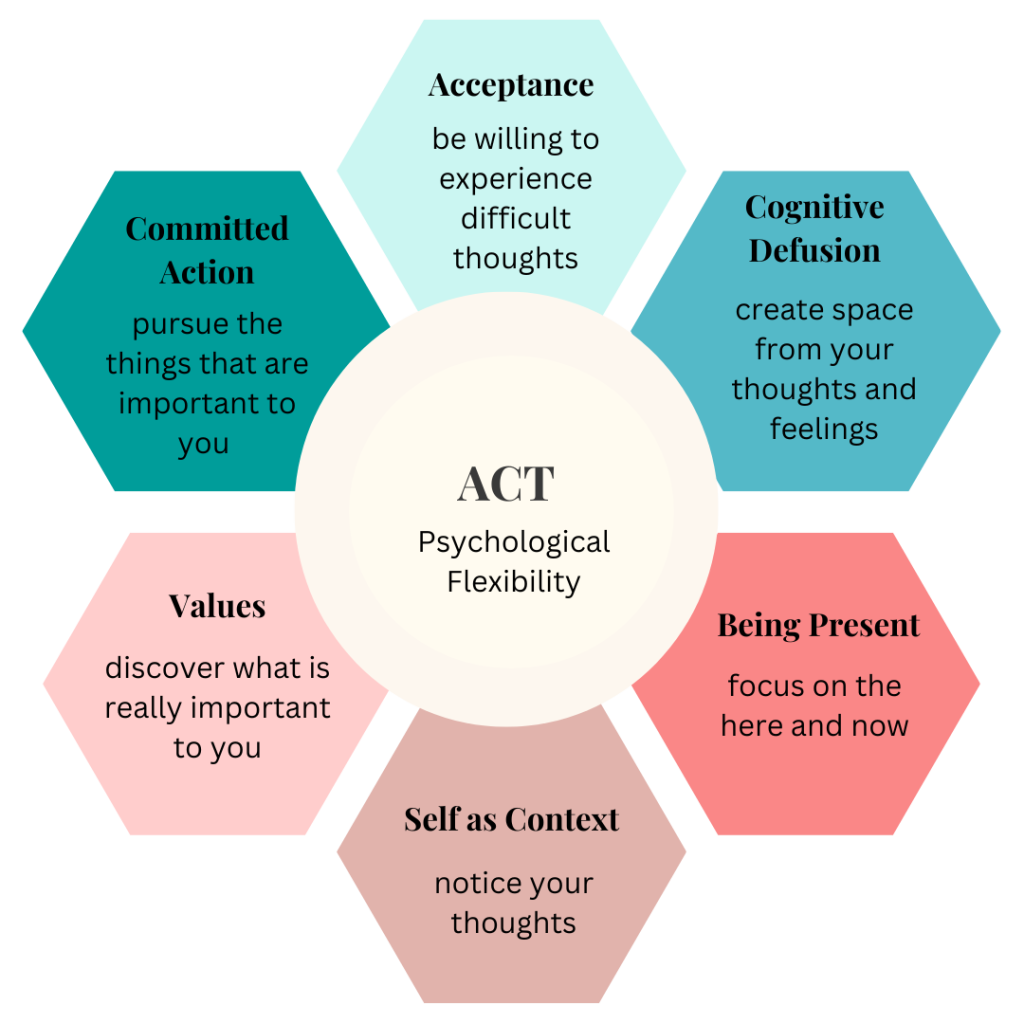
Acceptance and Commitment Therapy (ACT)
Effective Strategies for Managing Anxiety: Insights from Experts in Mental Health
Anxiety can feel like a constant companion that shadows you throughout the day, impacting everything from your morning routine to your cherished relationships. The good news? There are many strategies out there that can help you manage anxiety, drawing from modern therapy techniques to simple relaxation practices. In this post, we’ll share valuable insights from Dr. Bethany Juby, a clinical psychologist who specializes in trauma and stress management, along with expert contributions from the Mayo Clinic. Our goal is to provide you with practical, evidence-based strategies to manage anxiety effectively.
—
Key Therapeutic Techniques for Anxiety: What You Need to Know
Acceptance and Commitment Therapy (ACT)
Let’s kick things off with Acceptance and Commitment Therapy (ACT), a fascinating approach that helps you embrace your thoughts and feelings rather than wrestle with them. According to Dr. Juby, a lot of people get caught in the anxiety trap because they avoid uncomfortable emotions. ACT encourages you to be mindful and commit to actions that align with your values—even when anxiety is trying to take the wheel.
Here are a couple of ways to give ACT a try:
– Mindfulness Practice: How about carving out just five minutes a day for mindfulness meditation? Find a quiet spot, take a few deep breaths, and observe your thoughts without judgment. It’s a small step, but it can make a big difference.
– Values Clarification: Spend some time jotting down what really matters to you—whether that’s your relationships, career goals, or personal growth. Keep this list handy to steer your actions next time anxiety comes knocking.
Research shows that ACT doesn’t just help reduce anxiety symptoms; it can boost your overall life satisfaction too. It’s a handy tool for building long-term resilience!
Eye Movement Desensitization and Reprocessing (EMDR)
Now, let’s talk about Eye Movement Desensitization and Reprocessing (EMDR), which works wonders for people facing trauma-related anxiety. During EMDR therapy, you’ll think through distressing experiences while following the therapist’s hand movements or other forms of bilateral stimulation. This technique helps to unpack traumatic memories, reducing their emotional impact.
You can try some elements of EMDR at home with these suggestions:
– Grounding Techniques: Create a routine to help ground yourself before revisiting difficult memories. Deep breathing or holding something cold can help pull you back to the present moment.
– Visualization Exercises: Think of a sanctuary in your mind—someplace safe where you can retreat when the world feels overwhelming. Picture it vividly, noticing all the sensory details.
While EMDR is best done with a qualified professional, you can adapt parts of it into your self-care routine.
—
Relaxation Techniques: Your Best Friend in Stress Management
Why Relaxation Matters
Relaxation techniques play a vital role in managing stress and keeping your mental health in check. As the Mayo Clinic points out, methods like progressive muscle relaxation or autogenic relaxation not only help relieve stress but also contribute to your overall well-being. Just remember—your mind and body are closely connected!
Here’s how you can weave relaxation into your daily life:
1. Progressive Muscle Relaxation:
– Procedure: Start from your toes and work your way up. Tense each muscle group for five seconds, then let it go. Feel the difference between tension and relaxation.
– When to Use: Try this nightly to wind down. It can enhance your sleep quality, leaving you refreshed for tomorrow.
2. Visualization:
– Procedure: Spend a few moments imagining yourself in a tranquil setting—a beach, a forest, whatever brings you peace.
– When to Use: Use this technique whenever you start to feel anxious, even if it’s just for a couple of minutes.
These techniques are easy to integrate into your routine and can offer immediate relief on tough days.
Finding What Works For You
Everyone is unique, and what helps one person may not work for another. Here’s how to figure out what resonates with you:
– Experimentation: Test out different techniques! Spend a week focusing on something new. Keep a journal to note what you like and what feels helpful.
– Seek Support: A therapist can help you find methods that are customized for your emotions and lifestyle, making your journey a lot smoother.
—
Everyday Strategies for Managing Anxiety
Daily Tips to Tackle Anxiety
Making these mental health strategies part of your everyday life can enhance your resilience. Here’s a few suggestions to get you started:
1. Online Therapy: Explore teletherapy options offered by professionals like Dr. Juby. It’s a convenient way to connect with experts from the comfort of your own space.
2. Apps for Relaxation: Consider using meditation apps or guided imagery resources. They can support your relaxation practices and help keep you on track.
3. Connect with Others: Join online or in-person support groups. Sharing stories with others can provide comfort and validation during tough times.
—
Wrap-Up: Reclaiming Your Mental Health
Managing anxiety isn’t about getting rid of it completely; it’s about discovering effective ways to cope and live life to the fullest. By exploring various therapeutic techniques and relaxation strategies, you can strengthen your resilience and improve your overall quality of life.
As you move forward, think about bringing these insights into your daily habits. Whether you choose ACT or experiment with different relaxation techniques, remember that every little step counts toward regaining your mental wellness.
We’d love to hear about your journey in the comments below, or feel free to reach out if you want specific advice. Just remember—you’re not alone in this. There’s a whole support system out there.
—
By mixing proven strategies with personalized approaches, you can take charge of your anxiety and nurture your mental health. And always remember, a qualified mental health professional is your go-to for guidance that’s just right for you.
Written by Alexander Babinets
Founder of Express Fitness, certified coach, and author helping people get in shape without excuses.
📍 expressfitness.ca | 📩 info@expressfitness.ca
👤 More about me → alexanderbabinets.com
Hashtags: #anxiety #relaxation #techniques #strategies #mental #help #what #health #about #just #therapy #life #emdr #managing #feel