
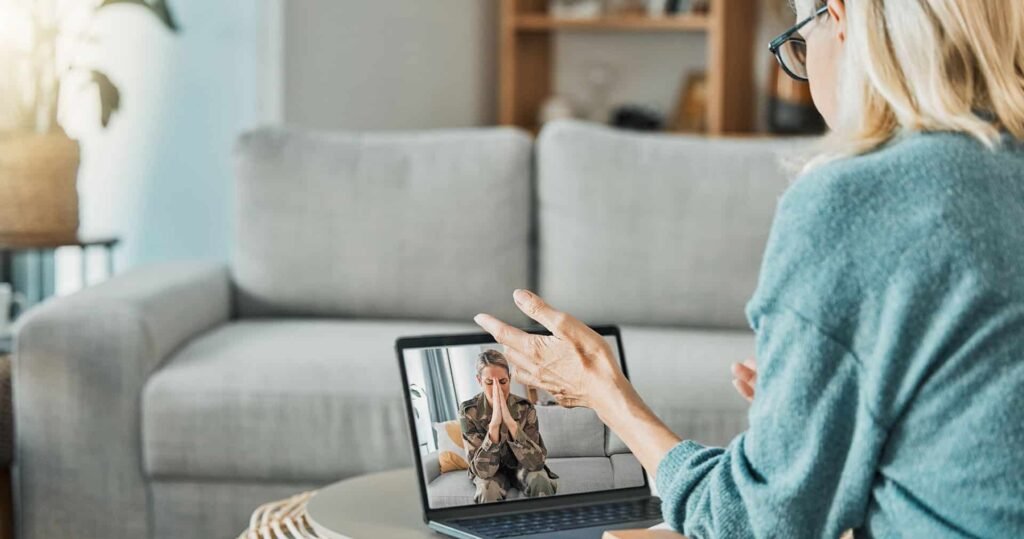
Anxiety teletherapy in 2026
Introduction
Feeling anxious is something we all experience at one time or another, but that doesn’t make it any less challenging. Whether it’s panic attacks that leave you feeling breathless, constant worries that swirl in your mind, or those restless nights when sleep just won’t come, anxiety can really take a toll on your life. As we navigate this fast-paced world, finding effective ways to cope is more important than ever, and that’s where mental health professionals come in—especially through teletherapy. In this post, we’re diving into practical techniques that can help you manage your anxiety and highlighting the expertise of licensed clinical psychologist, Dr. Bethany Juby. Together, we’ll explore proven methods and simple tips to help you feel more in control of your anxiety. So, let’s get started!
—
Teletherapy Expansion: Accessing Professional Help Remotely
In recent years, teletherapy has become a go-to option for many of us searching for mental health support. Thanks to professionals like Dr. Juby, who provides services across 39 states, accessing therapy from the comfort of your own home has never been easier. She employs evidence-based approaches, like Acceptance and Commitment Therapy (ACT) and Eye Movement Desensitization and Reprocessing (EMDR), to help her clients thrive.
Why Teletherapy Matters
For many, especially during the ongoing COVID-19 pandemic, teletherapy has become an essential resource. Sometimes, barriers like location, stigma, or simply not having enough local options can make seeking help feel discouraging. By bringing therapy online, experts like Dr. Juby make it easier for you to get the support you need, no matter where you are.
What to Expect from Teletherapy
When you decide to try teletherapy, expect a friendly and personalized experience similar to what you’d find in person. Dr. Juby focuses on customizing her therapy to fit your unique needs. If you’re thinking about giving teletherapy a shot, here are a few tips to enhance your experience:
– Set the Scene: Create a quiet and cozy space where you can really focus during your sessions.
– Be Genuine: Open communication helps build a solid therapist-client relationship, which is vital for successful treatment.
– Stay Present: Treat your virtual sessions with the same seriousness as face-to-face visits—engage, participate, and be present.
—
Psychological Approaches to Anxiety: Techniques That Work
Managing anxiety effectively often means using a mix of strategies. Behavioral techniques and self-help practices can really ease those anxious feelings. Dr. Juby and other mental health professionals share some great methods that promote relaxation and focus, helping you escape that overwhelming cycle of anxiety.
Deep Breathing Techniques
Deep breathing is famous for a reason—it’s a simple yet powerful way to help your body cope with anxiety. Here are two effective methods you can try:
– Three-Part Breathing: Take a deep breath in through your nose, filling your belly first, then your chest. Hold it for a moment, then slowly breathe out through your mouth. Repeat this a few times while really paying attention to your breath.
– Progressive Muscle Relaxation: Start by tensing a muscle group in your body (like your shoulders), then let it go. Move through different muscle groups this way, noticing the tension and how it feels to relax.
Physical Activity and Anxiety Freedom
Exercise is a game-changer for anxiety—seriously! When you get moving, your body produces serotonin, which can help lift your mood and ease feelings of anxiety. You don’t have to be in Olympic shape; even gentle activities like walking, yoga, or dancing can make a big difference. Here’s how you can weave movement into your day:
– Start Small: Begin with just 10 minutes of walking every day, and gradually build up from there.
– Find What You Enjoy: Try out various activities until you hit on something you love. Remember, consistency is what really counts!
—
Recognizing Cognitive and Physical Symptoms of Anxiety
Getting a handle on the many different symptoms of anxiety is crucial for effective management. Anxiety isn’t just about feeling stressed; it can also affect how you think and even how your body feels.
Cognitive Symptoms
Anxiety can cloud your mind, making it tough to concentrate, remember things, or make decisions. Being aware of these cognitive symptoms can motivate you to seek help when you need it. Here’s how you can tackle cognitive challenges:
– Journal Your Thoughts: Write daily to sort through your thoughts and lighten that mental load.
– Practice Mindfulness: Spend time practicing mindfulness or meditation to help ground yourself and quiet racing thoughts.
Physical Symptoms
Anxiety can show up physically, too. If you experience tension in your muscles, feel fatigued, or deal with digestive issues, these could be signs of anxiety. Recognizing these symptoms can help steer you toward meaningful coping strategies:
– Stretch It Out: Incorporating gentle stretches into your day can release muscle tension and boost relaxation.
– Stay Nourished: A balanced diet helps; incorporating goodies like dark chocolate and green tea can positively impact your mood.
—
How to Apply This Information
Now that we’ve talked about anxiety and some strategies to manage it, here are some practical steps you can take to start making a difference in your life:
1. Reach Out for Help: If you’re dealing with anxiety, don’t hesitate to schedule a session with a mental health professional, like through teletherapy.
2. Breathe Daily: Set aside just five minutes each morning for deep breathing exercises to ground yourself for the day ahead.
3. Get Moving: Pick a physical activity that excites you, and aim for at least three sessions a week—make it fun!
4. Journal Regularly: Dedicate time each day to write down your thoughts. It’s a great way to process moments of anxiety.
5. Stay Curious: Keep learning about anxiety—read up on new research and strategies that could help you better manage your feelings.
—
Conclusion
Dealing with anxiety can feel daunting, but remember—you’re not alone in this. Whether you decide to try teletherapy or implement self-help techniques like breathing exercises and regular movement, there are pathways to feeling better. By being aware of your symptoms and taking proactive steps, you can regain control of your life. If you’ve found this information helpful, I’d love for you to share your thoughts below, connect with others, and explore more content that supports your journey to better mental health. And remember, acknowledging that you need help is a brave first step—so don’t hesitate to reach out when you need it.
Written by Alexander Babinets
Founder of Express Fitness • Certified Fitness Coach • Author
Helping people rebuild their health, mindset, and strength — without excuses, gimmicks, or fake motivation.
📍 expressfitness.ca
📩 info@expressfitness.ca
📘 My Books on Barnes & Noble → https://www.barnesandnoble.com/s/alexander%20babinets
📚 Мои книги на Литрес → https://www.litres.ru/search/?q=%D0%B0%D0%BB%D0%B5%D0%BA%D1%81%D0%B0%D0%BD%D0%B4%D1%80%20%D0%B1%D0%B0%D0%B1%D0%B8%D0%BD%D0%B5%D1%86
Hashtags: #anxiety #help #teletherapy #like #symptoms #make #mental #through #when #really #health #techniques #juby #here #breathing