
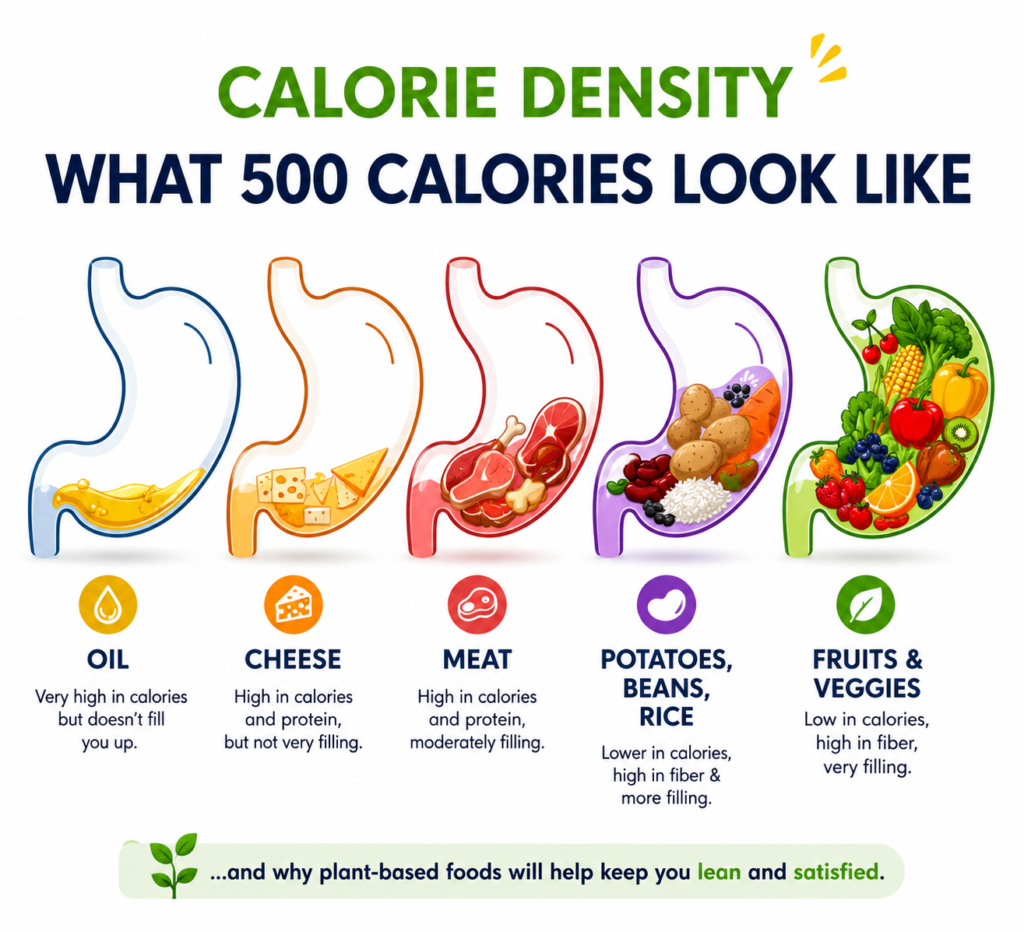
Low-Calorie Density Foods: Your New Best Friends
Eating Smart: Foods That Won’t Make You Gain Weight
Ever feel like managing your weight is a tightrope walk? We all crave delicious food, but it’s tough to indulge without feeling the pressure on our waistlines. Luckily, there’s good news. You can enjoy a wide variety of tasty, satisfying foods that are low in calories but high in volume. This means you can fill your plate and feel full without the weight gain worry. So, let’s explore how to make smart food choices that keep you feeling great!
Low-Calorie Density Foods: Your New Best Friends
Let’s kick things off with the concept of low-calorie density foods. These are the dishes that fill you up without filling you out. Leafy greens like spinach and kale, crunchy cucumbers, and delicate zucchinis are all in this club.
Why They Work:
These foods are typically packed with water and fiber, which means they can fill your stomach and keep you feeling satisfied without piling on the calories. Just think about it—one cup of spinach has a mere 7 calories! That makes it an ideal base for your salads or smoothies. You could snack away on these options and hardly touch your caloric limits.
Practical Tip:
Why not kick off your meals with a fresh salad? Load it up with leafy greens and add some colorful bell peppers and cucumbers for that perfect crunch. A dash of dressing will give it that flavorful kick, and you’ll hardly notice the calorie count creeping up.
The Science of Feeling Full: Dietary Composition Matters
While the focus on low-calorie density is important, don’t forget the overall makeup of your meals. Foods rich in fiber, water, and protein can seriously boost how full you feel.
Why They Work:
Fiber takes its sweet time to digest, keeping you satisfied for longer, while protein helps regulate those hunger hormones. So, if you mix these elements into your meals, you’re less likely to find yourself mindlessly snacking.
Practical Tip:
For a fulfilling breakfast, try oatmeal topped with fresh fruit and a scoop of Greek yogurt. This combo is not only delicious, but it also provides a solid blend of fiber and protein to keep you energized and satisfied throughout the morning.
Recognizing Weight Gain Triggers
To really get a handle on weight management, it’s crucial to identify what might lead to weight gain. High consumption of processed foods or sugary snacks can mean you’re taking in more calories than your body needs, and a sedentary lifestyle doesn’t help either.
Why This Matters:
Processed foods often skimp on the fiber and pack in the calories, which can lead to overeating. Research shows that people who often consume ultra-processed foods tend to gain weight over time, mainly because these foods just don’t offer the nutrients we need.
Practical Tip:
Cook more at home using whole ingredients! It’s a great way to save money and control exactly what goes into your meals. Plus, you can dodge those pesky additives and sugars that sneak into so many processed foods.
The Mind-Body Connection: How Stress Affects Weight
Weight gain isn’t just about what ends up on your plate. A lot of it also has to do with what’s happening in your mind and body. Stress, sleeplessness, and hormonal fluctuations can all lead to cravings and weight gain. When stress hits, your body releases cortisol, which can ramp up your appetite and cravings for those high-calorie treats.
Practical Tip:
Finding ways to chill out can make a big difference. Try incorporating stress-busting techniques like yoga or meditation into your routine. Even a quick 10-minute session can help you find your calm and reduce that sneaky emotional eating.
Putting It All Together: Meal Planning for Success
Ready to make this work for you? Here’s how to take practical steps towards healthier eating:
1. Meal Prep Day: Set aside a few hours each week to whip up snacks and meals focusing on low-calorie density.
2. Create a Grocery List: Stick to whole foods. Fill up your cart with fresh fruits, veggies, lean proteins, and whole grains, keeping the processed stuff at bay.
3. Get Creative in the Kitchen: Use low-cal veggies as the base for your meals. How about spiralizing some zucchini for a pasta substitute or tossing greens into your smoothies?
4. Don’t Forget to Hydrate: Sometimes, what feels like hunger is really thirst. Keep your water intake in check—aim for at least 8 cups a day.
5. Practice Mindful Eating: Take your time to enjoy each bite. Eating mindfully can help you recognize when you’re full, making it easier to avoid overeating.
Conclusion
Eating smart doesn’t need to feel overwhelming. With a little focus on low-calorie density foods, you can enjoy satisfying meals without the fear of gaining weight. Remember, it’s not just about the food itself; it’s about understanding what influences your choices. By putting these practical strategies into action, you’re paving the way for a more balanced diet and a healthier lifestyle.
So, how about making one small change today? Consider swapping out those processed snacks for a colorful platter of fresh veggies. I’d love to hear your thoughts or any tips you have! Feel free to share in the comments, and don’t forget to check back for more ideas on healthy living.
Written by Alexander Babinets
Founder of Express Fitness • Certified Fitness Coach • Author
Helping people rebuild their health, mindset, and strength — without excuses, gimmicks, or fake motivation.
📍 expressfitness.ca
📩 info@expressfitness.ca
📘 My Books on Barnes & Noble → https://www.barnesandnoble.com/s/alexander%20babinets
📚 Мои книги на Литрес → https://www.litres.ru/search/?q=%D0%B0%D0%BB%D0%B5%D0%BA%D1%81%D0%B0%D0%BD%D0%B4%D1%80%20%D0%B1%D0%B0%D0%B1%D0%B8%D0%BD%D0%B5%D1%86
Hashtags: #foods #weight #gain #calorie #meals #eating #these #about #practical #into #what #processed #feel #without #calories