
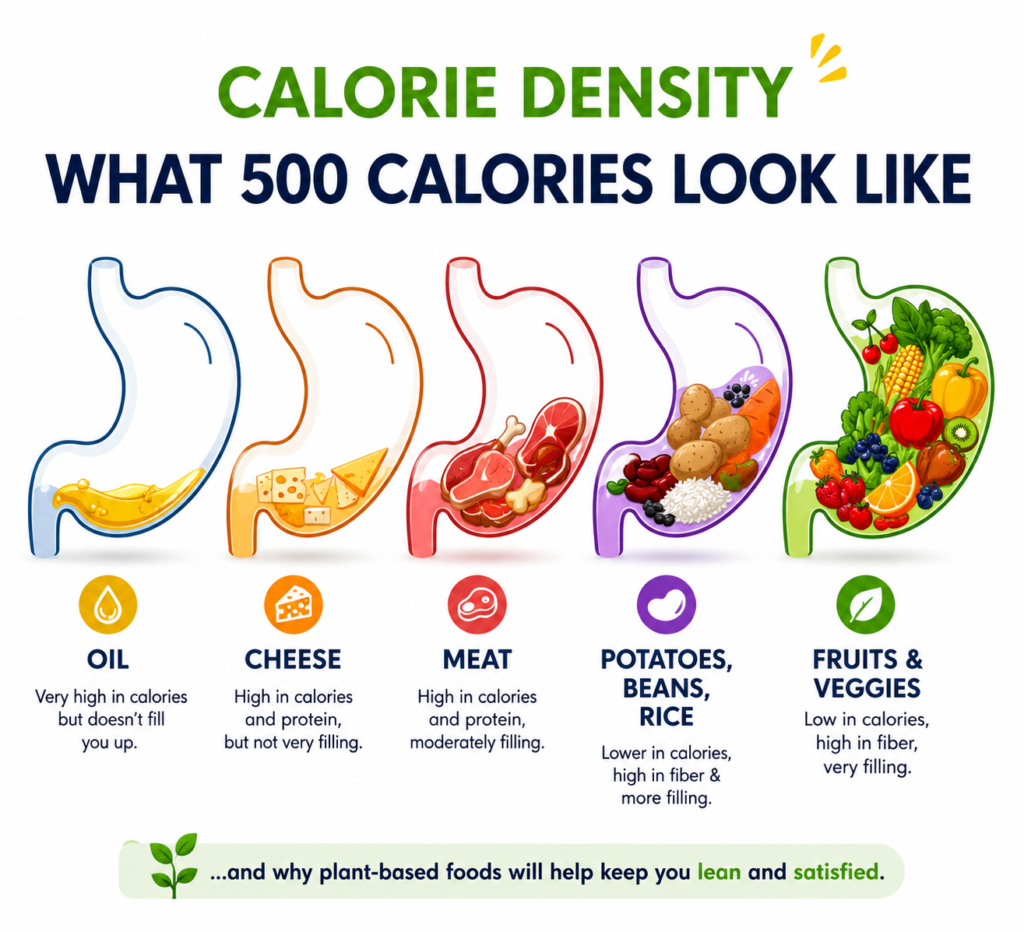
The Power of Low-Calorie Density Foods
Achieving Weight Management Without Strict Dieting: Your Ultimate Guide
Managing your weight doesn’t have to mean feeling deprived or stuck in a rigid diet. Instead, it’s all about enjoying a variety of foods that help you maintain a healthy weight without the constant pressure of counting calories. In this guide, we’ll explore smart food choices backed by science, while also diving into the psychological and environmental factors that can lead to weight gain.
Understanding the Science of Weight Management
When it comes to weight management, it’s not just a numbers game of calories in versus calories out. Sure, that’s a piece of the puzzle, but what you eat, how you eat, and your overall lifestyle all play significant roles in achieving your goals.
Let’s talk about something crucial: caloric density. Foods that are low in calories but high in volume, like leafy greens, cucumbers, and zucchini, let you fill your plate without packing on calories. For instance, did you know that a big salad made mostly of spinach has only about 20 calories? That means you can enjoy a generous portion that’s satisfying and nutritious without blowing your calorie budget.
Practical Tip:
Make it a habit to kick off your meals with a hefty salad or a warm bowl of vegetable soup. Not only do these options deliver essential nutrients, but they also help fill you up, leaving less room to overeat on heavier dishes later.
Feeling Full with Protein and Fiber
Next up is the winning combo of protein and fiber. Foods loaded with protein, like lean meats and eggs, alongside fiber-rich options like veggies, fruits, and whole grains, take longer for your body to digest. This longer digestion time keeps you feeling full longer.
Research highlights that meals rich in protein can amp up satiety hormones while lowering hunger hormones. That means introducing more protein into your snacks and meals is a smart way to stave off those pesky cravings.
Practical Tip:
Choose snacks like creamy Greek yogurt topped with berries or a handful of nuts to keep hunger at bay. Also, think about adding legumes, whole grains, and colorful veggies to your main meals for a boost.
Beyond Food: Behavioral and Environmental Influences
But remember, it’s not just about what you eat; how you live matters too. Stress, inadequate sleep, and a sedentary lifestyle can lead to unwanted weight gain. For example, when stress levels are high or you’re not sleeping well, it’s common to crave those comforting, often unhealthy snacks.
Be mindful of your drink choices too. A single sugary soda a day can sneak in around 2.2 pounds of extra weight over two years. Yikes!
Practical Tip:
Combat these habits with mindful eating techniques. Slow down during your meals, chew your food thoroughly, and pay attention to your hunger cues. Are you actually hungry, or are you just bored? And consider swapping out sugary drinks for refreshing water or herbal teas to cut those empty calories.
The Psychology of Eating
It’s essential to understand how our minds influence our eating habits. Many fall into the yo-yo dieting trap, which leads to cycles of losing weight only to regain it later. This back-and-forth can mess with your hunger hormones and make maintaining a healthy weight feel tougher.
Finding Balance in Your Mindset
Instead of thinking of weight loss as about what you can’t have, let’s flip the script. Think about what you can add to your plate — think whole foods, vibrant fruits and veggies, and more home-cooked meals. Cultivating a positive relationship with food helps you stick with healthy habits more easily.
Practical Tip:
Rather than cutting out treats entirely, give yourself permission to enjoy them in moderation. This way, you won’t feel deprived and less likely to binge down the road.
How to Put This Advice Into Action
Ready to take these ideas and run with them? Here’s a simple plan to kick things off:
1. Fill Your Kitchen with Low-Calorie Options: Keep plenty of low-calorie foods like leafy greens, fresh veggies, and fruits on hand.
2. Get Ahead with Meal Planning: Make some meals in advance that include lots of protein and fiber. Aim to add a protein source to every meal and pick whole grains over refined ones.
3. Watch Your Drinks: Try to limit sugary beverages and reach for water, tea, or infused water instead. Sometimes, you might think you’re hungry when you’re actually just thirsty.
4. Focus on Sleep and Stress Relief: Look for healthy ways to unwind, whether that’s through yoga, meditation, or spending time outdoors. Plus, ensure you’re getting enough sleep to keep your metabolism ticking along smoothly.
5. Practice Mindful Eating: During mealtime, really focus on your food. Ditch distractions like TV and smartphones, and enjoy each bite.
Conclusion
Weight management is much more than just counting calories. It’s about making conscious food choices, being mindful of your eating habits, and recognizing the factors that lead to weight gain. By including low-calorie density foods, prioritizing nutritious protein and fiber, and understanding the mental side of eating, you can find a sustainable path to managing your weight.
Remember, everyone’s health journey is personal. Take it one step at a time, be kind to yourself, and don’t hesitate to reach out for support if you need it. Together, we can embrace healthier eating habits that seamlessly fit into our lives.
What are your thoughts or experiences on managing weight? I’d love to hear your story in the comments!
Written by Alexander Babinets
Founder of Express Fitness • Certified Fitness Coach • Author
Helping people rebuild their health, mindset, and strength — without excuses, gimmicks, or fake motivation.
📍 expressfitness.ca
📩 info@expressfitness.ca
📘 My Books on Barnes & Noble → https://www.barnesandnoble.com/s/alexander%20babinets
📚 Мои книги на Литрес → https://www.litres.ru/search/?q=%D0%B0%D0%BB%D0%B5%D0%BA%D1%81%D0%B0%D0%BD%D0%B4%D1%80%20%D0%B1%D0%B0%D0%B1%D0%B8%D0%BD%D0%B5%D1%86
Hashtags: #weight #about #calories #protein #foods #meals #eating #food #like #into #just #what #calorie #fiber #habits