
Understanding Fasting: The Differences Between Emotional and Intermittent Fasting
Fasting has become quite the buzzword lately, often popping up in conversations about health and wellness. But here’s the thing: not all fasting is created equal. We need to chat about two very different types you might have heard of: intermittent fasting (IF) and emotional fasting. IF is often seen as a structured and beneficial way to eat, while emotional fasting can have some not-so-great effects on mental and emotional health. Let’s take a closer look at these approaches, how they impact your feelings, and how you can make smart decisions about fasting. Whether you want to shed some pounds or just lift your mood, understanding these differences can really help you improve your relationship with food.
Let’s Break Down Fasting Types
Intermittent Fasting: Flowing with Your Body’s Natural Rhythms
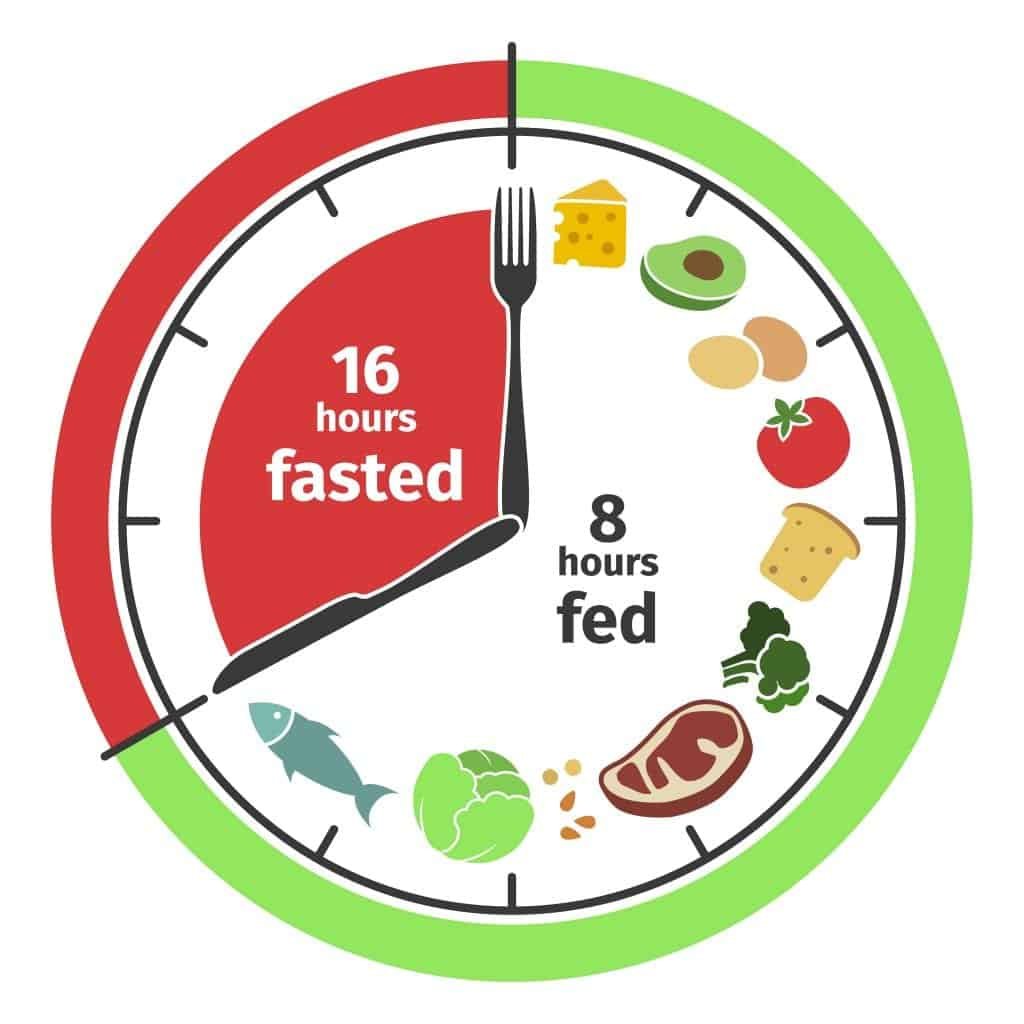
So, what’s the deal with intermittent fasting? Think of it as a useful strategy for managing your weight. Instead of counting calories every hour of every day, IF involves planned eating periods combined with chunks of time where you’re not eating. This method works in harmony with your body’s natural rhythms, allowing it to tap into stored fat for energy. Common approaches include time-restricted eating, where you might have all your meals within an 8-hour window, or alternate-day fasting.
What’s cool is that research shows intermittent fasting can improve metabolic health. People have seen better insulin sensitivity and reductions in inflammatory markers. In fact, one study even noted that those who practiced IF reported feeling happier—likely thanks to the way our bodies release endorphins during these fasting periods, which can also boost focus and mental clarity.
Quick Tip: Thinking about giving intermittent fasting a try? Start off slow! Maybe aim for a 12-hour eating window first, and as you get the hang of it, you can tighten it up to 8 or even 6 hours. And don’t forget to jot down how you’re feeling—both physically and emotionally—as you adjust.
Emotional Fasting: A Cycle That Can Hold You Back
Now, let’s flip the script and talk about emotional fasting, which can be a real slippery slope. This kind of fasting often stems from guilt over what we might see as overeating. When someone resorts to emotional fasting, it can often be rooted in feelings of shame which only deepens anxiety and depression. This isn’t about nurturing our bodies; it can lead to cycles of restriction and binge eating, which just isn’t a healthy way to relate to food.
It’s essential to be honest with ourselves and recognize when fasting turns into a way to punish ourselves instead of nourish our bodies. Reflecting on your reasons for fasting can help you spot whether you’re on a constructive path or maybe straying into some dangerous territory.
Quick Tip: Before you decide to fast, take a moment to ask yourself: “Am I genuinely hungry, or am I trying to cope with something emotional?” Writing down your thoughts can clarify your intentions and help cultivate a healthier mindset.
How Fasting Affects Your Mind
The Upside of Intermittent Fasting
Jumping back to intermittent fasting, many find that it can lift their mood and sharpen their focus. In fact, during the first week of fasting, many people report feeling a sense of calm and increased alertness. These experiences suggest that there’s something significant happening in our brains during these fasting times that can improve mental health and emotional resilience.
Changes in neurotransmitters while you’re fasting may help enhance your feelings of well-being. This is especially great news for anyone dealing with mood disorders! Plus, the lower inflammation levels associated with fasting could lighten the load when it comes to chronic emotional stress.
Supporting Insight: Countless individuals speak about feeling more emotionally stable and mentally clear when they practice intermittent fasting regularly. This isn’t just about the food; it has a lot to do with how we start thinking more mindfully about what and how we eat.
The Downsides of Emotional Fasting
On the flip side, emotional fasting can ramp up anxiety and lead to a rocky relationship with food. If you’re fasting out of emotional distress—not actual physiological need—you might end up in a cycle of unhealthy eating behaviors, leaving you feeling guilty and out of control.
Bringing awareness to the reasons behind your fasting habits can be a real game-changer. Mindfulness practices and working with someone like a nutrition counselor or therapist can help guide you toward healthier eating habits and tackle those emotional triggers.
Quick Tip: If you relate to emotional fasting, consider reaching out for support. Mindful eating strategies can help you realize emotional signals and encourage a kinder perspective on food.
Steps You Can Take to Find Your Fasting Sweet Spot
Understanding the mental and emotional sides of fasting opens up valuable insights for you and anyone who’s helping you navigate this journey. Here’s how you can turn this knowledge into action:
1. Reflect on Your Eating Habits: Spend some time journaling about your reasons for fasting—just a simple food diary can do wonders! Note how you’re feeling emotionally when you eat.
2. Spot Your Triggers: Get to know what emotional cues might lead you to fast or eat in unhealthy ways. Being aware of these can empower you to manage your reactions better.
3. Practice Mindful Eating: Before you dive into your meals, take a few deep breaths. Just ask yourself if you’re physically hungry or if there are emotions at play.
4. Build a Support Network: Team up with folks who share similar health goals—having a community can keep you motivated and accountable.
5. Seek Professional Help: Collaborate with a nutritionist or therapist to ensure your fasting approach prioritizes your well-being.
Wrapping It Up
Intermittent fasting and emotional fasting might both involve skipping meals, but why you’re doing it and the results can shape your relationship with food. Intermittent fasting can promote physical and mental wellness, while emotional fasting often leads to harmful habits if we’re not careful. By being aware of your motivations and adopting a mindful eating approach, you can foster a healthier, happier relationship with food that aligns with your wellness goals.
I’d love to hear what you think about fasting. Have you found any methods that work well for you, or perhaps faced some challenges? Let’s open up this conversation and support each other on our journeys to better health!
RELATED READING:
This article is just the beginning. My book “Nutrition – Key to Human Health” offers a deeper dive into how nutrition influences every aspect of your well-being.
📖 Learn more and get the book: https://expressfitness.ca/shop/ if you’re serious about changing the way you eat and live.
Hashtags: #fasting #emotional #intermittent #about #eating #food #help #health #might #these #what #feeling #often #some #mental