
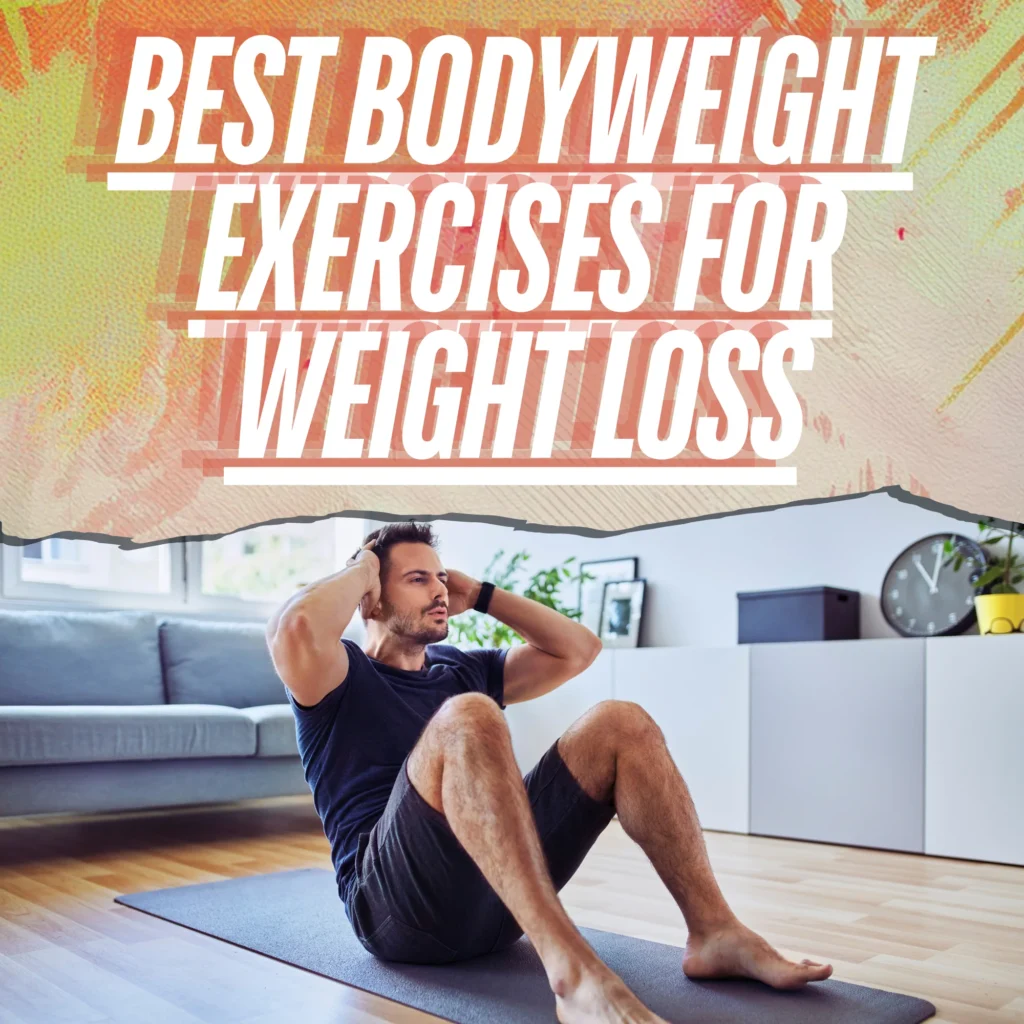
Bodyweight Workouts: Your Friendly Beginner’s Guide to Getting Fit
Introduction
Have you ever thought about getting fit without the hassle of a gym membership? Bodyweight workouts are a simple and effective way to improve your strength and fitness right from the comfort of your home. If you’re just starting out, you’re in the right place! In this guide, we’ll dig into how bodyweight exercises can help you build muscle, shed some pounds, and boost your overall health. Plus, we’ll touch on some key principles like progressive overload and nutrition—both crucial for reaching your fitness goals. So, let’s jump into the world of bodyweight workouts and see how easy it can be to achieve real results.
The Muscle-Building Magic of Bodyweight Exercises
Let’s Talk About Progressive Overload
First up, let’s get to the heart of strength training: progressive overload. This fancy term basically means you need to keep challenging your muscles if you want them to grow. Here are some straightforward ways you can do that with bodyweight exercises:
– Increase Reps: Start with a number that feels doable and gradually add more as you build strength.
– Shorten Your Breaks: Cutting down on rest time between exercises can amp up your workout’s intensity.
– Try Some Variations: Once you master the basics like push-ups and squats, challenge yourself with tougher versions—think about moving from regular push-ups to decline push-ups or swapping bodyweight squats for pistol squats.
Why Bodyweight Workouts Are Effective
Research backs this up: bodyweight training is a powerful way to increase muscle mass. A study published in the *Journal of Sports Science & Medicine* revealed that beginners can see significant strength improvements with these exercises. They also help you maintain proper form and enhance flexibility—both vital for any fitness routine.
Here’s a quick circuit to kick-start your workout:
1. Push-ups (10-15 reps)
2. Squats (15-20 reps)
3. Lunges (10-12 reps per leg)
4. Plank (Hold for 20-30 seconds)
Repeat this circuit 2-3 times with a minute’s rest in between. Adjust the reps according to your current fitness level, and don’t hesitate to push yourself a little harder as you improve!
Nutrition: Your Partner in Fitness
Why Nutrition Is Key
Now, let’s get real about nutrition. To reach your fitness goals, what goes on your plate matters just as much as exercising—some say it accounts for about 80% of your success. To build muscle and lose weight, it’s about fueling your body the right way.
– Make Protein a Priority: Try to include protein in every meal to help your muscles recover and grow. Think chicken, fish, legumes, and nuts.
– Balance Your Plate: Aim for a good mix of carbs, fats, and proteins. Carbs give you energy, especially when you’re working out regularly. Don’t forget those healthy fats from sources like avocados and olive oil—they’re good for your overall well-being.
– Stay Hydrated: Don’t forget to drink water throughout the day—especially before, during, and after your workouts.
Practical Nutrition Tips to Keep You on Track
– Prep Your Meals: Take some time to plan and prepare your meals ahead of time. It makes it easier to stick to healthy choices when life gets busy.
– Choose Healthy Snacks: Keep snacks like nuts, yogurt, or fruits handy. This way, you won’t be tempted by junk food when hunger strikes!
– Tune Into Your Body: Notice how different foods impact your energy levels and performance. Adjust your eating habits to align with what feels good for you.
Crafting a Workout Routine That Works for You
A Simple Beginner’s Workout Plan
Getting started with bodyweight training doesn’t have to be overwhelming. Here’s a straightforward workout you can do at home without any equipment:
1. Warm-Up: Spend 5-10 minutes getting your blood flowing with dynamic stretches or light cardio.
2. Bodyweight Circuit:
– Squats: 15 reps
– Push-Ups: 10-15 reps (knee push-ups are totally fine!)
– Lunges: 10 reps per leg
– Plank: Hold for 20 seconds
3. Cool Down: Wrap up with 5-10 minutes of stretching to help your body recover and stay flexible.
Modifying for Your Fitness Level
Everybody’s fitness journey is unique, and it’s important to keep that in mind:
– Beginners can start with wall push-ups or basic bodyweight squats to gain confidence and strength.
– If you’re at an intermediate level, experiment with variations like wide grip push-ups or jump squats for extra challenge.
– Advanced athletes might want to throw in one-legged squats or explosive push-ups to really amp up their routine.
Putting It All into Action
Step-by-Step to Start Your Bodyweight Workouts
1. Set Clear Goals: What do you want to achieve? Whether it’s building muscle, losing weight, or improving your stamina, having specific goals will keep you focused and motivated.
2. Create Your Schedule: Find a workout routine that fits into your day-to-day life. Aim for at least three sessions a week—this is a solid starting point.
3. Track Your Progress: Keep a journal of your workouts and meals. This not only helps keep you accountable but also lets you see how far you’ve come.
4. Get Involved with Others: Look for a fitness community or find a workout buddy. Sharing your journey can bring great motivation and accountability.
Conclusion
Bodyweight workouts are a fantastic way to kick off your fitness journey without any fancy equipment or gym memberships. By focusing on progressive overload and pairing your workouts with proper nutrition, you’re well on your way to success. Remember, creating a healthier lifestyle takes time and patience, so be kind to yourself along the way. If you found this guide helpful, feel free to spread the word! And don’t hesitate to explore more resources on fitness and nutrition for practical tips. So, let’s get moving toward a healthier you!
Written by Alexander Babinets
Founder of Express Fitness, certified coach, and author helping people get in shape without excuses.
📍 expressfitness.ca | 📩 info@expressfitness.ca
👤 More about me → alexanderbabinets.com
Hashtags: #bodyweight #fitness #push #workouts #reps #squats #nutrition #keep #workout #about #some #strength #into #exercises #muscle