
The Essential Role of Soft Skills Training in the Modern Workplace
The Essential Role of Soft Skills Training in the Modern Workplace
In today’s fast-paced job market, connecting with others and working well together is more crucial than ever. Sure, technical skills can get you in the door, but it’s those people skills that really pave the way for a successful career. Did you know that around 75% of long-term job success comes from these soft skills? That’s a pretty big deal. This shift highlights why organizations need to make soft skills training a priority in their strategies for developing their workforce. Let’s dive into why soft skills matter, explore some practical training options, and look at innovative online learning methods that can truly elevate employee abilities.
Why Soft Skills Are More Important Than Ever
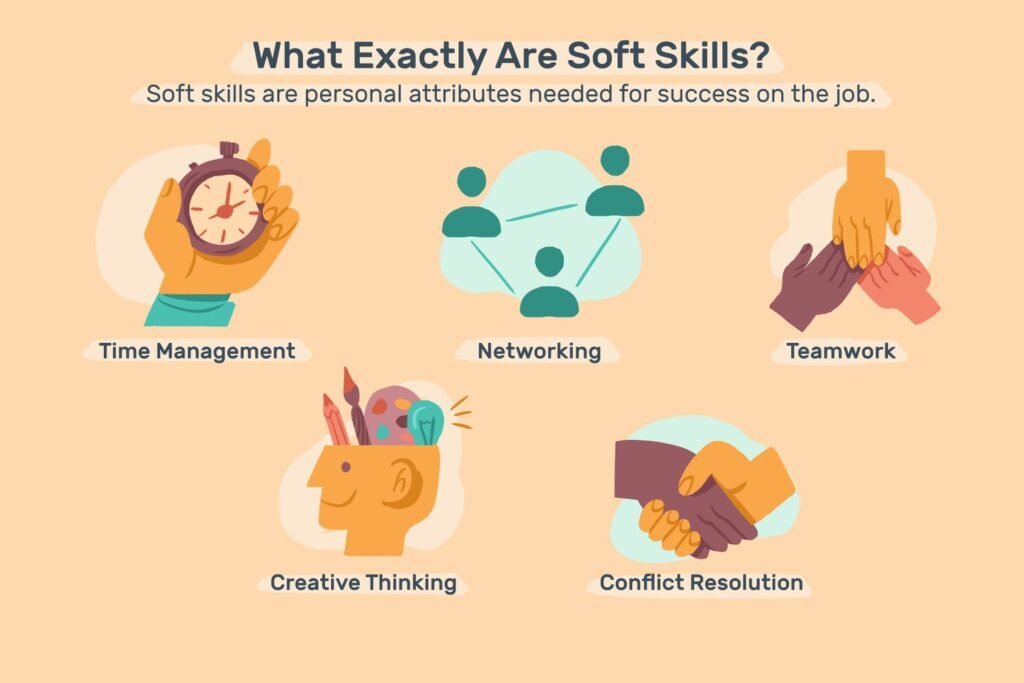
Effective teamwork and leadership are built on a foundation of soft skills. These non-technical qualities—like communication, emotional intelligence, and problem-solving—are increasingly seen as essential for both personal and organizational success.
Here’s a Tip:
To nurture these skills in your workplace, start with a skills gap analysis. This means looking closely at where your team might need improvement. Gathering feedback through surveys or performance reviews can help you pinpoint those areas. This tailored approach ensures that your training is relevant and hits the mark.
Evidence You Can Trust:
Companies that focus on developing soft skills see improvements in both performance and employee satisfaction. Take TrainingFolks, for example—they’ve seen greater collaboration and innovation after implementing their training programs. Similarly, organizations like Under Armour and Sika Corporation have shared how much these initiatives have positively impacted their teams.
Customized Training: Because One Size Doesn’t Fit All
When it comes to training, there’s no one-size-fits-all solution. That’s why organizations like TrainingFolks offer a variety of workshops designed for different skill levels. Whether you’re looking for a short half-day session or an in-depth three-day program, there’s something for everyone.
Here’s a Tip:
Create a training schedule that offers flexibility. By breaking larger sessions into shorter, manageable chunks, you help your team absorb the material more easily. Think about hosting quick lunchtime seminars followed by more detailed workshops later on.
Add Some Real-Life Flavor:
Infuse your training programs with real-world scenarios. Incorporating role-playing or discussing actual case studies not only makes learning engaging but also practical. When participants can relate the training material to their daily tasks, they’re more likely to remember it and apply it.
The Impact of E-Learning on Soft Skills Training
In our digital age, e-learning tools provide exciting new ways for people to develop their soft skills, especially if they focus on interactivity. For example, gamification brings a fun twist to learning, while role-playing offers a safe space for practice.
Here’s a Tip:
Consider a blended learning approach that mixes online training with face-to-face interactions. For instance, you could use online simulations to set up real-world scenarios to explore during in-person sessions. This combination can help reinforce what’s learned and provide immediate feedback.
Solid Evidence:
Industries using interactive e-learning solutions have seen noticeable improvements in engagement and retention. By allowing learners to practice their skills through simulations or engaging formats, they find the concepts stick long after the training ends.
Putting This into Action: Steps for Successful Implementation
So, how can you make the most of soft skills training in your organization? Here’s a straightforward guide to get you started:
1. Assess the Situation: Begin by evaluating your current team’s soft skills. This understanding will tailor what kind of training you need.
2. Find the Right Training Program: Work with a reputable training provider, like TrainingFolks, to craft workshops that address those specific needs.
3. Integrate E-Learning: Mix in fun online learning methods. Consider gamified tools, webinars, and virtual workshops that complement your in-person sessions.
4. Encourage Open Feedback: Foster a culture where conversation about skills development is encouraged. Regular feedback can help you understand what’s working and what might need tweaking.
5. Track the Progress: Use metrics to measure improvements in communication, teamwork, and overall job satisfaction from the training.
Conclusion: Building a Workforce That Values Soft Skills
In short, making soft skills training a priority in your organization isn’t just about hitting HR targets—it’s a smart move that can uplift your workplace culture, enhance productivity, and encourage employee retention. By opting for customized training programs and utilizing e-learning technologies, you can cultivate a team that’s ready to adapt and thrive in a changing environment.
Encourage your team to dive into these training opportunities and create an atmosphere where soft skills can shine. You’re not just investing in your people; you’re setting your whole organization up for success. I’d love to hear your thoughts, so feel free to share them below or check out our related content on professional development and employee engagement strategies!
Hashtags: #training #skills #soft #learning #their #more #these #team #need #into #online #employee #like #here #feedback