
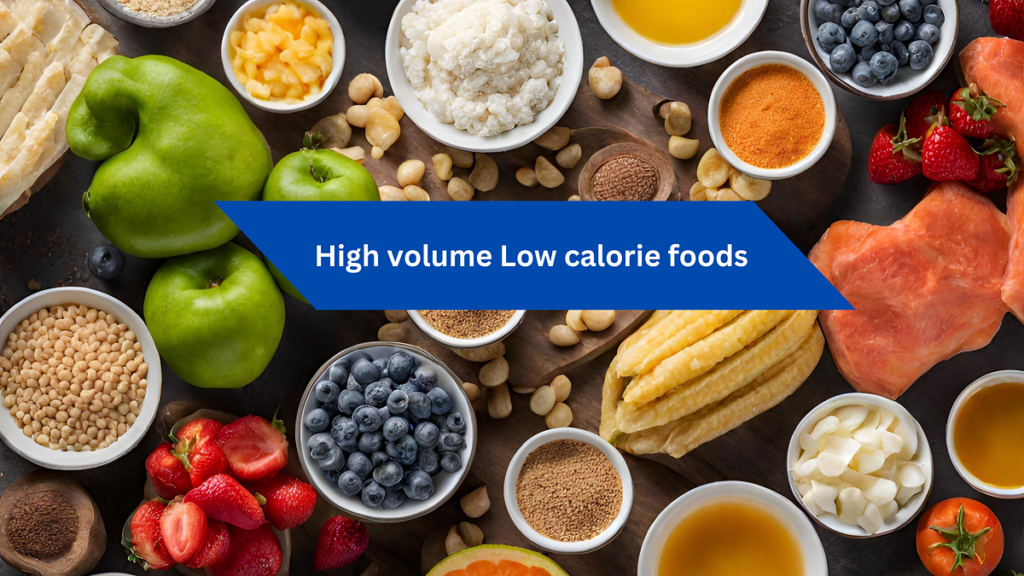
Mastering Weight Management Through Diet: The Power of High-Volume, Low-Calorie Foods
Let’s face it: maintaining a healthy weight can feel like a full-time job. With endless diet tips, trends, and sometimes dubious advice swirling around, it can be tough to know what actually works. But here’s the good news: you don’t have to feel deprived or overwhelmed. In this blog post, we’re diving into a simple yet effective strategy—how focusing on high-volume, low-calorie foods can help you manage your weight and feel satisfied at the same time.
Filling Foods: Your Best Friends in Weight Management
What’s Energy Density, Anyway?
Ever heard the term “energy density”? Simply put, it’s the number of calories packed into a specific volume of food. Foods high in energy density serve up lots of calories in a small portion, while low-energy-density foods give you fewer calories but more food to enjoy. So, to feel full and happy without racking up calories, you’ll want to lean toward those low-energy-density options.
Here’s a Quick Tip:
Load up on fruits and veggies. They’re generally low in calories and can fill your plate. For instance, try filling half your plate with non-starchy veggies like zucchini or broccoli. It’s a great way to quash your hunger without going overboard on calories.
The Power of Protein and Fiber
Did you know that protein and fiber are your allies in keeping your appetite in check? Studies back this up, showing these nutrients can help you feel full longer and keep those pesky cravings at bay.
Want a Simple Action Plan?
Start your morning off right with a protein-packed breakfast. How about a couple of hard-boiled eggs or a bowl of Greek yogurt? You can even throw in some oats to boost your fiber intake—this combo will help you feel satisfied longer.
Nourishing Foods that Assist Weight Management
What Foods Should You Reach For?
Let’s talk about some powerhouse foods that can make a real difference in your weight loss journey. We’ve got 32 fabulous options, but here are some highlights worth considering:
– Legumes: Think chickpeas and lentils. They’re fiber-rich and packed with protein, making them excellent for weight management and digestive support.
– Whole Grains: Grains like quinoa and brown rice not only keep you full but also deliver a wealth of nutrients, thanks to their fiber content.
– Fruits and Vegetables: Load up on non-starchy varieties. Berries, for example, are delicious and low in calories—perfect for your health and weight goals.
Standout Choices to Consider
– Potatoes: Yes, you read that right! Boiled, unpeeled potatoes are high in fiber and can keep you feeling satisfied longer than rice or pasta.
– Eggs: Packed with protein, eggs are super effective at curbing hunger and can help lower your calorie intake later in the day, making them a fantastic breakfast option.
– Oatmeal: The fiber in oatmeal—especially beta-glucan—slows down digestion and keeps you feeling full, making it a perfect breakfast starter.
Friendly Suggestion:
Aim for at least two servings of fruits and veggies each day. Get creative with hearty salads or veggie stir-fries to make the most of these nutritious foods.
Choosing Whole Foods Over Processed Options
What’s the Problem with Processed Foods?
Processed foods often come with added sugars and unhealthy fats, which jacks up their energy density and can lead to overeating. On the flip side, whole, unprocessed foods keep things nutritious and filling.
A Practical Tip for Your Next Grocery Trip:
When you’re shopping, think about picking up ingredients that are as close to nature as possible—fresh fruits, veggies, whole grains, and lean proteins. Steer clear of items with long ingredient lists or ones that sound like they came from a science lab.
Building a Balanced Plate
Creating meals centered around whole foods isn’t just good for your waistline; it boosts nutritional value, too. A well-balanced plate should include lean proteins, whole grains, and a healthy heap of vegetables.
Here’s a Handy Guide:
Use a meal plate guide: fill half your plate with veggies, one-quarter with protein, and the other quarter with whole grains or legumes.
How to Put This into Practice
Easy Steps to Kick Things Off
1. Take Stock of What You Eat: Begin by examining your usual meals and snacks. Identify spots where you can swap out high-energy foods for more satisfying, low-calorie choices.
2. Create a Weekly Meal Plan: Get organized and plan your meals with the foods discussed here. Preparing ahead can help you stick to your goals and make healthier choices when hunger strikes.
3. Keep a Food Journal: Jot down what you eat and how it makes you feel. This can help you pinpoint what keeps you full and satisfied.
4. Incorporate Movement: Combine your dietary changes with some regular physical activity. Start with something simple, like a daily walk, and build from there.
Wrapping It Up
Managing your weight doesn’t have to mean restricting yourself or obsessing over calories. By placing your focus on high-volume, low-calorie foods rich in protein and fiber, you can take charge of your weight and support your overall health. The practical tips in this post will guide you toward healthier choices and help you sustain your well-being.
Did you find this article helpful? If so, why not share it with friends or drop a comment below? I’d love to hear about your own journey with dietary changes—let’s build a supportive community focused on healthy eating together!
Hashtags: #foods #weight #calories #fiber #feel #what #help #energy #protein #whole #high #full #density #plate #calorie