Chronic Pain and Fibromyalgia-Pain has traditionally been viewed as a direct indicator of tissue damage. Yet this simplified understanding reflects only the most basic level of physiological reality. In truth, pain is not generated in the muscles, joints, or connective tissues themselves. The sensation we experience as pain is constructed within the central nervous system, where sensory signals are integrated with emotional evaluation and cognitive interpretation. Through this complex process, a biological signal becomes a subjective experience of suffering. In its acute form, pain serves an essential protective function. It warns the organism of potential harm, restricts further injury, and mobilizes the body’s resources for healing. But when pain becomes chronic, this protective mechanism loses its original purpose. Instead of reflecting ongoing tissue damage, it begins to operate autonomously, sustained by changes in neural regulation rather than by continued physical injury. Modern neuroscience increasingly describes pain as a multilayered process. It begins with the activation of peripheral nociceptors—specialized receptors that respond to mechanical, thermal, or chemical stimulation. Yet this peripheral signal represents only the first stage in a much more complex chain of events. From the site of stimulation, the signal travels to the dorsal horn of the spinal cord, where it undergoes its first modulation. From there it reaches the thalamus and multiple regions of the brain, including the somatosensory cortex, the prefrontal cortex, and the amygdala. The amygdala, in particular, plays an important role in assigning emotional significance to the signal. Under conditions of chronic stress—discussed in previous chapters—this emotional amplification can significantly intensify the subjective experience of pain. It is at this point that the fundamental difference between acute and chronic pain becomes clear. When pain follows an injury or inflammation, the nociceptive signal corresponds to actual tissue damage. In chronic pain, however, the central mechanism often becomes central sensitization. In this state, neural networks responsible for processing pain signals become increasingly excitable while losing some of their inhibitory control. The threshold for activation gradually decreases, while the intensity of the response increases. Stimuli that previously produced little or no discomfort may now be experienced as painful, even when the underlying tissues remain relatively healthy. Fibromyalgia provides a clear clinical example of this phenomenon. People with fibromyalgia experience widespread muscular pain, profound fatigue, sleep disturbances, and cognitive slowing. Yet laboratory tests typically show no signs of systemic inflammation or structural damage to the musculoskeletal system. For many years this absence of visible pathology led some clinicians to question the biological basis of the condition. Today, however, advances in neuroimaging and neurochemical research have provided a clearer picture. Studies reveal increased activity in brain regions involved in pain processing, altered levels of neurotransmitters such as glutamate and serotonin, and reduced efficiency of descending inhibitory pathways that normally help regulate the flow of sensory signals. Chronic stress appears to play a significant role in the development of this condition. Persistent activation of the amygdala and the HPA axis leads to elevated levels of cortisol and pro-inflammatory cytokines. These changes can influence pain thresholds and increase muscular tension. Muscles that remain in a state of constant micro-contraction begin to send signals of strain to the central nervous system. When those signals are processed within a sensitized neural network, they may be interpreted as persistent pain. Over time, the nervous system consolidates this pattern. The pain signal becomes increasingly autonomous, no longer requiring a clear external trigger. One characteristic feature of chronic pain is its shifting location. Patients often describe the pain as “moving” from one part of the body to another. This pattern suggests a central origin of the process. The primary dysregulation does not reside in a specific muscle or joint, but rather in the heightened neural processing of sensory input. In this state the nervous system becomes excessively vigilant, constantly scanning the body for potential signals of threat. Even minimal sensory input may be amplified, particularly when anxiety is present. Behavioral adaptation also plays an important role in maintaining chronic pain. In an attempt to avoid worsening discomfort, individuals often begin to limit their movement. Although this response seems logical, prolonged reduction in physical activity can worsen the underlying condition. Reduced movement decreases microcirculation, lowers heart rate variability, and diminishes the production of endogenous opioids—the body’s natural pain-relieving substances. Combined with increasing anxiety, this process gradually lowers the pain threshold even further. A self-reinforcing cycle emerges: pain restricts movement, and restricted movement intensifies pain. A patient once described her experience in a way that captures this process vividly. “My pain didn’t appear suddenly, and it wasn’t linked to a specific injury. It entered my life slowly. At first it was just tension in my neck after a long day at work. Then stiffness appeared in my lower back. Later I began to feel a heavy, spreading pressure in my shoulders and legs, as if my body were carrying an invisible weight. I went through medical examinations, did blood tests, followed the recommendations of specialists—but everything was ‘within normal limits.’ Eventually I began doubting my own experience, because I had no objective proof of suffering. The pain had no fixed location. It could disappear from one place and appear in another. Sometimes it intensified without any clear reason; sometimes it faded briefly, creating the illusion of improvement. I began to fear movement, because every unfamiliar effort seemed like a risk of making the pain worse. But the more careful I became, the more fragile and restricted my body began to feel. At some point I stopped asking why the pain existed. Instead, I started planning my days around the assumption that it would be there. That expectation slowly became part of my identity. I had lived with the pain for so long that the idea of life without it began to feel almost unrealistic.” This example illustrates the development of a stable neural pattern in which central nervous system sensitization is sustained by both biological and behavioral factors. Sleep disturbance plays a particularly important role in maintaining chronic pain. During deep sleep the brain regulates neurotransmitter balance and restores receptor sensitivity. Research shows that even short-term reductions in slow-wave sleep can increase pain sensitivity the following day. This creates another reinforcing cycle: pain disrupts sleep, and insufficient sleep amplifies pain. Despite the complexity of these mechanisms, it is crucial to emphasize that many of them remain reversible, especially when structural tissue damage is absent. Neuroplasticity—the same property that allows the nervous system to form persistent pain patterns—also allows it to relearn healthier patterns of regulation. Gradual restoration of sleep quality, reduction of chronic stress activation, and carefully graded physical activity can help retrain the nervous system. Movement must be introduced progressively, not in a way that intensifies sensitization but in a way that teaches the nervous system that the body can move safely again. Through this process, the individual gradually regains a sense of control over their own body. Chronic pain and fibromyalgia, in many cases, are not inevitable consequences of tissue destruction. They represent a sustained change in the way the central nervous system processes sensory information. Understanding this neurobiological foundation allows a person to move away from passive acceptance of suffering toward an active and structured strategy of recovery. CORE PRINCIPLE OF THE CHAPTER: Chronic pain in the absence of structural damage often results from persistent central sensitization and altered neural regulation. Because these processes involve adaptive neural plasticity, they may gradually be reversed through systemic restoration of physiological balance. Written by Alexander Babinets Founder of Express Fitness, certified coach, and author helping people get in shape without excuses. THIS IS A CHAPTER FROM MY NEW BOOK: 12 STEPS TO […]
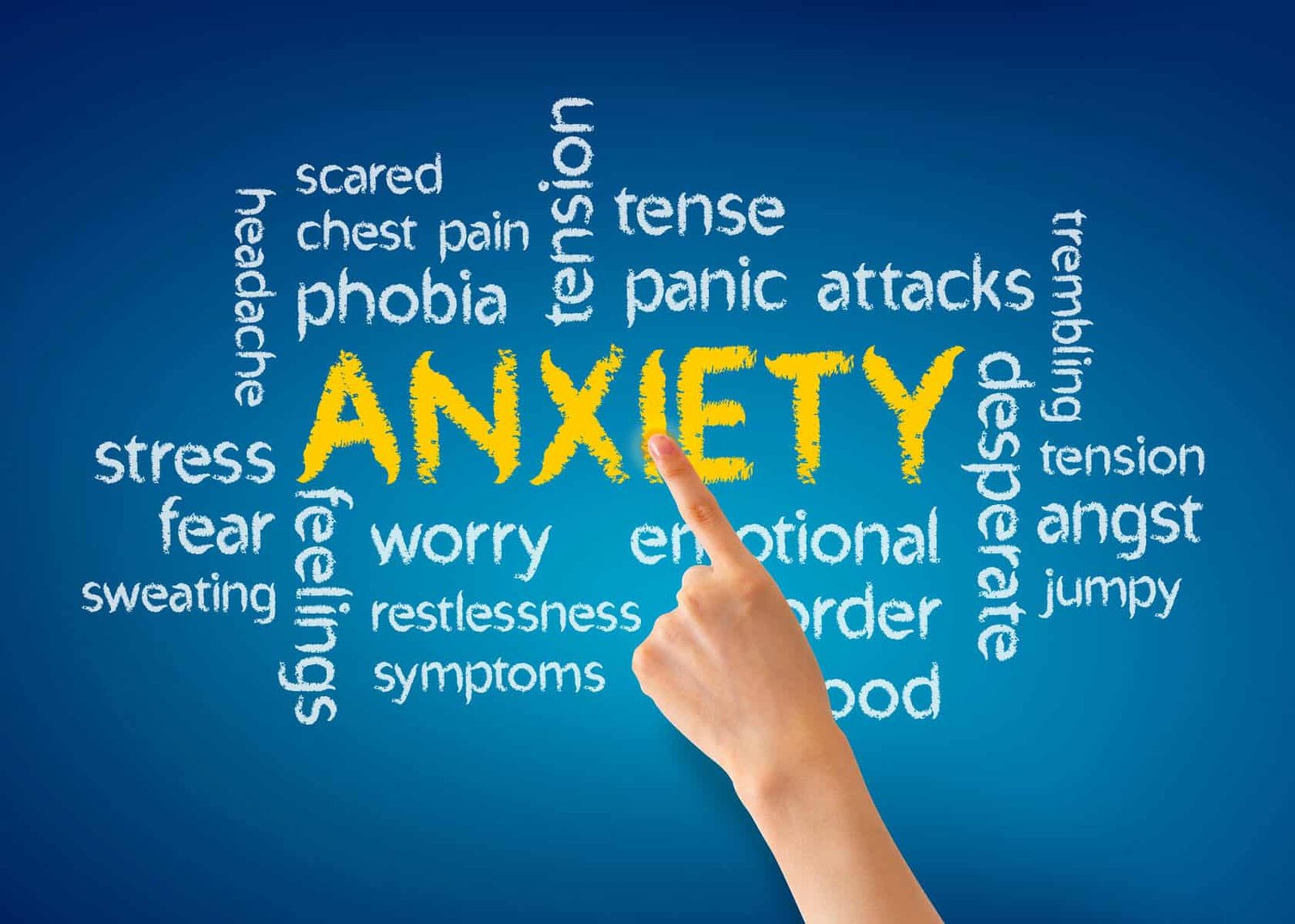
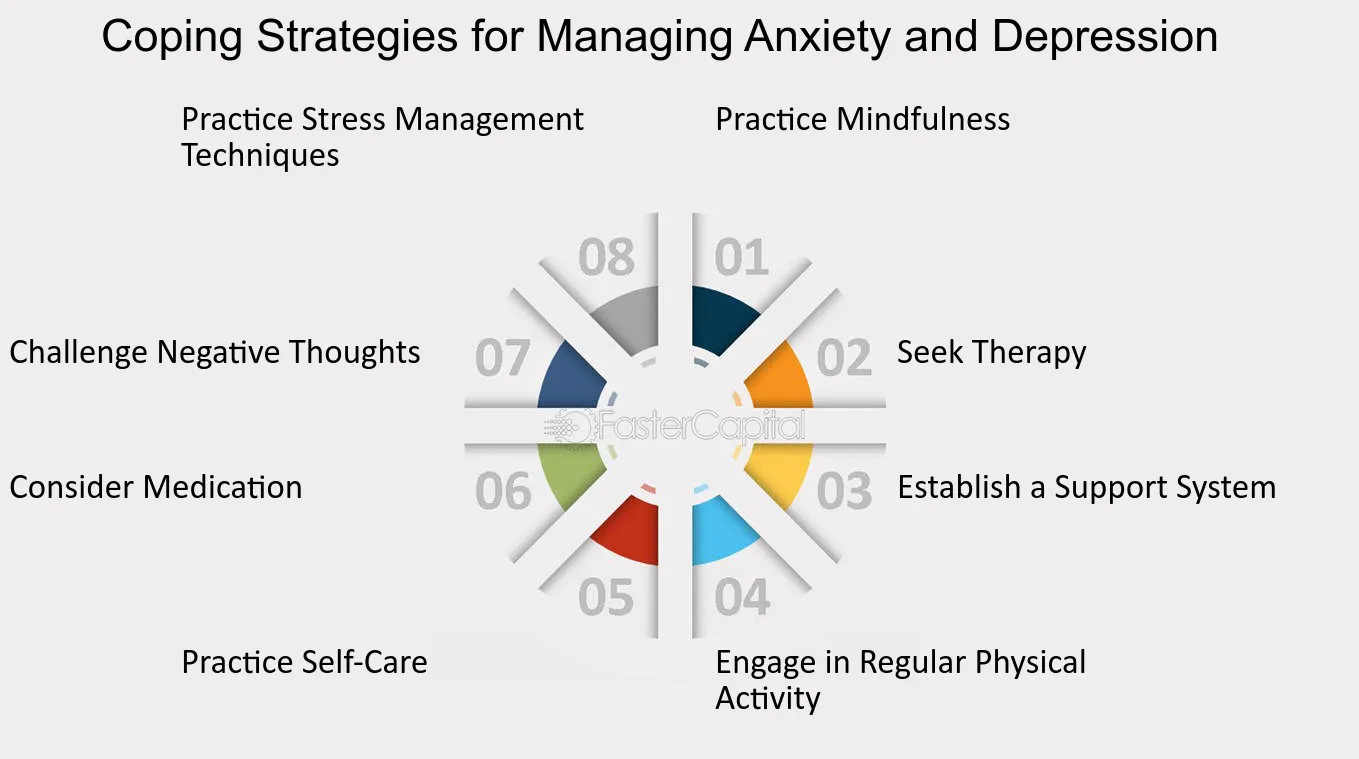
Neurophysiology of Anxiety-In the previous chapters we examined compensation and chronic stress as biological processes. Now we need to move one level deeper—to the place where the sense of danger is actually generated, even when no objective threat exists. This level involves the activity of the amygdala, a small but powerful structure in the brain, and its interaction with the autonomic nervous system, particularly the vagus nerve. Anxiety does not arise out of nowhere. It has a clear neurophysiological architecture. The Amygdala as the Brain’s Threat Detector The amygdala is a small structure located deep within the temporal lobes of the brain. It plays a central role in emotional processing, especially in the rapid detection of potential threats. One important feature of the amygdala is that it responds faster than the prefrontal cortex, the part of the brain responsible for rational analysis and conscious decision-making. Signals related to possible danger can travel along a “short pathway,” moving directly from sensory centers to the amygdala before the thinking brain has time to evaluate the situation. This is why people often feel a surge of fear or anxiety before they have time to logically assess what is happening. From an evolutionary perspective, this system makes sense. In a dangerous environment, a delayed response could mean death. Reacting to a harmless stimulus is far less dangerous than ignoring a real threat. But in the modern world, this ancient survival mechanism can become overactive. Imagined Threats, Real Reactions For the amygdala, there is not always a clear distinction between physical danger and vividly imagined scenarios. If a thought is interpreted as a threat, the biological stress response can be activated. Heart rate increases. Muscle tension rises. The HPA axis becomes active. Parasympathetic regulation decreases. All of this can happen in complete silence, in a bedroom at night, without any external stimulus. When this cycle repeats over time, neural pathways become reinforced. The amygdala becomes more sensitive to potential signals of danger, and the threshold for its activation gradually lowers. What develops is hyperreactivity. Anticipatory Anxiety One of the most subtle and persistent forms of amygdala activity is anticipatory anxiety. In this state, a person does not fear an event itself, but the possibility that the event might happen again. This pattern is especially visible in sleep disturbances. A single night of poor sleep does not harm the body. However, the thought “What if I can’t sleep again tonight?” can activate the brain’s threat system long before bedtime arrives. Heart rate increases. Cortisol levels rise. Muscle tension remains elevated. The body prepares for danger at the very moment when it should be preparing for restoration. Over time, this creates a downward spiral. The Vagus Nerve as a Counterbalance The vagus nerve is one of the most important channels of parasympathetic regulation. High vagal activity is associated with states of safety, recovery, and social connection. When the amygdala becomes highly active, parasympathetic tone tends to decrease. Conversely, when parasympathetic activity increases, the reactivity of the amygdala often diminishes. This relationship works in both directions. For this reason, effective regulation of anxiety cannot occur without restoring balance within the autonomic nervous system. The Plasticity of Fear The brain is highly adaptable. When certain thoughts repeatedly trigger anxiety responses, the neural circuits associated with those reactions become stronger. Over time, activation becomes automatic. A person may no longer even recognize the thought that originally triggered the response. All that remains is a persistent sense of inner tension. Eventually people may say, “That’s just the way I am,” without realizing that anxiety has become a learned pattern within the nervous system. A patient once described his experience in a way that illustrates this process clearly. “It started gradually. I had never considered myself an anxious person. But after a period of intense pressure at work, I began noticing strange episodes. I would lie in bed at night, everything quiet, and suddenly a thought would appear: What if my heart stops? And the moment that thought appeared, my heart would begin beating harder. I knew the idea was irrational, yet the sensation felt completely real. I tried to reassure myself that everything was fine, but my body was no longer listening. Heat would rise through my chest, my breathing became shallow, and tension spread through my muscles. Eventually the episode passed. The next evening, however, I went to bed already expecting it to happen again—and it did. After a month I began to fear the evenings themselves. During the day I functioned normally. I worked, smiled, fulfilled my responsibilities. But inside there was a constant alarm signal that seemed to have no clear cause. Medical examinations revealed nothing unusual. I was told it was ‘just nerves.’ But it didn’t feel like ordinary worry. It felt as if my own brain was manufacturing a threat even when none existed.” This example illustrates the amygdala operating in a state of hypersensitivity. No external event is necessary. The internal scenario is enough. The Role of Sleep in Amygdala Regulation Research shows that chronic sleep deprivation increases the reactivity of the amygdala while weakening the regulatory influence of the prefrontal cortex. In other words, insufficient sleep makes the brain more sensitive to perceived threats. Each night of poor sleep increases the likelihood that neutral situations will be interpreted as dangerous. A self-reinforcing cycle emerges: sleep deprivation → increased emotional reactivity → anxious thoughts → further sleep disruption. Cognitive Reinforcement When anxious thoughts repeat frequently, a stable cognitive pattern begins to form. Neutral signals are interpreted as potential threats. This is not a sign of weak character. It is the result of neural learning. And like any learned pattern, it can also be reshaped. Practices That Support Regulation Activation of the vagus nerve can occur through several physiological pathways, including slow breathing, extended exhalation, meaningful social interaction, moderate physical movement, and the deliberate cultivation of gratitude. The last of these is sometimes dismissed as a purely psychological recommendation. In reality, it also has a physiological basis. When attention is intentionally directed toward positive aspects of experience, the reactivity of the amygdala decreases while prefrontal regulatory circuits become more active. This is not a form of mental magic. It is a demonstration of neuroplasticity. From Anxiety to Stability The goal of regulation is not the suppression of emotion. The goal is restoring balance between neural systems. When the amygdala is no longer chronically hyperreactive and parasympathetic tone returns, a sense of internal safety begins to reappear. At that point people often describe a profound shift: they no longer feel as though their own brain is working against them. CORE PRINCIPLE OF THE CHAPTER: […]
Chronic Stress as a Biological Process-In the previous chapter we examined compensation as a hidden survival mode of the body. To understand why this mode can persist for years, we must now look at the primary force that activates and sustains it: chronic stress. The word stress has become part of everyday language. People use it constantly, often in a simplified way. Yet in physiological terms stress is not merely an emotion or a feeling of fatigue. It is a complex biological mobilization process deeply embedded in human evolutionary history. Stress as a Survival Mechanism At the core of the stress response lies the activation of the hypothalamic–pituitary–adrenal axis, commonly known as the HPA axis. When the brain perceives a threat, the hypothalamus initiates a cascade of hormonal signals that stimulate the release of cortisol and catecholamines. These hormones serve a clear purpose: preparing the body for action. Blood glucose levels rise, muscles receive increased blood flow, and functions that are less essential in the moment of danger—such as digestion, growth, and reproduction—are temporarily suppressed. In situations of acute threat, this response is highly adaptive and essential for survival. The problem begins when stress is no longer a short event but becomes a constant background condition. From Acute Reaction to Chronic State An acute stress response normally includes two phases: mobilization followed by recovery. After the threat passes, the parasympathetic nervous system becomes active, cortisol levels decline, and the organism returns to its baseline state. Under chronic psychological pressure, however, the recovery phase becomes incomplete. The body never fully leaves the mobilization state. Instead, it exists in a continuous condition of readiness. At this point compensation becomes crucial. The system continues to function, but it does so at the cost of increasing regulatory strain. Changes in Rhythm Rather Than Level One of the most important features of chronic stress is that it does not always produce dramatic hormonal abnormalities. In many cases the hormone levels themselves remain within laboratory reference ranges. What changes instead is their rhythm. The circadian dynamics of cortisol become disrupted. The normal morning peak may flatten, while evening levels rise. This alteration affects sleep quality, the depth of restorative phases, and the subjective sense of energy throughout the day. From a laboratory perspective, everything may still appear normal. Functionally, however, the regulatory system is already dysregulated. Neurobiology of Persistent Tension Chronic activation of the stress axis also affects key brain structures involved in emotional regulation and cognitive functioning. The hippocampus, which plays an important role in memory formation and the regulation of the stress response, is particularly sensitive to prolonged exposure to cortisol. Its functional activity can gradually decline. At the same time the amygdala—responsible for detecting and processing threats—may become more reactive. The prefrontal cortex, which governs self-regulation and decision-making, can begin to function less efficiently. These changes do not necessarily indicate irreversible damage. Rather, they reflect adaptive reorganization. The brain attempts to adjust to what it interprets as a constant signal of danger. Inflammation and Neurotransmitters Modern research increasingly demonstrates a link between chronic stress and low-grade systemic inflammation. Elevated levels of pro-inflammatory cytokines can influence dopamine and serotonin pathways in the brain. At the same time the level of brain-derived neurotrophic factor (BDNF)—a protein essential for neuroplasticity—may decrease. The result is a gradual shift in motivation, emotional tone, and cognitive energy. A person may not understand the biological mechanisms involved, but they clearly feel the consequences: diminished drive, reduced interest in activities, and a persistent sense of fatigue. The Metabolic Cost of Stress Chronic stress activation also affects the body’s energy metabolism. Maintaining a constant state of readiness requires continuous resource allocation. Over time insulin sensitivity may decline, appetite regulation may change, and fluctuations in blood glucose levels can appear. In early stages these shifts do not necessarily lead to clear pathology. Yet they create the background conditions for future metabolic disturbances. A man once described his experience to me in a way that illustrates this process clearly. “I always thought of myself as a resilient person. For years I worked without vacations, constantly making decisions and carrying responsibility. I even enjoyed the sense of momentum. But gradually anxiety became my background state. I started waking up before my alarm with the feeling that I was already late, even when I had plenty of time. My heart would begin beating faster without any obvious reason. During the day I managed to function normally. Meetings, negotiations, overseeing projects—I handled everything. But in the evening I couldn’t fully relax, even when I tried. My tests were normal. The doctor told me, ‘It’s just stress.’ I accepted that explanation as something inevitable. Only later did I realize that I was no longer experiencing short bursts of stress. I was living in a state of constant biological alertness. My body never fully switched off. It kept me afloat, but slowly reduced my margin of resilience.” This example illustrates one of the most important characteristics of chronic stress: its gradual nature. There is rarely a sudden collapse. Instead, tension accumulates slowly over time. Why It Is Difficult to Recognize Chronic stress does not create a clear boundary between “healthy” and “ill.” At first, tolerance to minor stress decreases. Then recovery takes longer. Later, disturbances in sleep and concentration appear. Each stage can easily be explained by external circumstances—workload, family responsibilities, lack of rest. Medical systems typically detect problems only when structural changes emerge. Yet the biological process often begins long before that point. Chronic Stress as a Biological Disorder Although stress itself is not a disease in the classical sense, its chronic form produces lasting changes in regulatory systems. In effect, the organism establishes a new equilibrium—but one maintained through continuous tension. For this reason chronic stress should not be viewed merely as a psychological phenomenon. It is a biological process with hormonal, neural, immune, and metabolic consequences. The Possibility of Reversal As long as compensation remains intact, structural damage has not yet occurred. Neuroplasticity is still active, and many metabolic shifts remain reversible. This means that intervention at the stage of chronic stress can redirect the system toward a healthier trajectory. But this requires recognizing that constant mobilization is not normal. Moving Toward Systemic Correction When chronic stress is understood as a physiological process, it becomes clear that recovery must also be systemic. Simply “resting” is rarely enough. What must change is the overall rhythm of life: restoring circadian balance, recalibrating the relationship between effort and recovery, and rebuilding the body’s regulatory flexibility. CORE PRINCIPLE OF THE CHAPTER: Chronic stress is not merely an emotion. It is a sustained biological process that gradually alters the body’s regulatory systems long before a clinical diagnosis appears. Written by Alexander Babinets Founder of Express Fitness, certified coach, and […]
Normal Test Results Do Not Always Mean Health-Modern clinical medicine is largely built around the search for objective deviations from physiological norms. Doctors look for structural abnormalities, biochemical disturbances, signs of inflammation, or visible organ damage. This approach has proven extremely effective in many areas of medicine. It works well for infectious diseases, injuries, acute conditions, and a wide range of clearly defined pathologies. However, over the past few decades it has become increasingly clear that a large category of human suffering does not fit neatly into this framework. Many people experience persistent symptoms that significantly reduce their quality of life even though standard laboratory tests show no obvious abnormalities. This creates a paradox that many patients know all too well. A person may receive a medical report stating that all results fall within the normal reference range, yet at the same time feel deeply exhausted, anxious, unable to concentrate, and emotionally depleted. Sleep becomes disturbed, motivation fades, and everyday tasks begin to require disproportionate effort. From a clinical standpoint the person is considered healthy. From a functional standpoint, however, the organism may already be struggling. To understand this contradiction, it is important to distinguish between two different concepts: clinical normality and functional health. Clinical normality refers to laboratory measurements—blood values, hormone levels, imaging results—that fall within established reference ranges. Functional health, on the other hand, reflects the body’s ability to adapt to stress, recover from effort, maintain stable energy levels, and preserve emotional balance. The gap between these two levels is where many modern health problems begin. Laboratory reference values are based on statistical distributions across large populations. If a measurement falls within the defined range, it is considered normal. Yet statistical normality does not always equal optimal biological functioning. Moreover, laboratory tests provide only a snapshot of a system at a single moment in time. They rarely reveal how much internal effort the body is investing to maintain that apparent stability. The human organism is not a static structure but a dynamic regulatory system. The nervous system, endocrine system, and immune system constantly interact to maintain balance. Disturbances in these systems can persist for long periods while remaining largely invisible to standard laboratory diagnostics. The key word here is compensation. Up to a certain point the body can maintain equilibrium by increasing the workload placed on its regulatory mechanisms. From the outside everything may still appear normal. Internally, however, the cost of maintaining that stability continues to rise. This process becomes particularly visible under conditions of chronic stress. Biologically, the stress response evolved to mobilize resources for short periods of time. When the hypothalamic–pituitary–adrenal axis—often called the HPA axis—is activated, the body releases cortisol and catecholamines. Blood glucose rises, muscles receive increased blood supply, and functions that are less critical in the moment of threat—such as digestion or reproduction—are temporarily suppressed. In short bursts, this response is highly adaptive. But when psychological stress becomes chronic, the same mechanism begins to work against the organism. Prolonged activation of the HPA axis gradually reshapes the regulatory system. Cortisol levels may still fall within laboratory reference ranges, yet their daily rhythm becomes disrupted. Sleep loses its depth and restorative quality. Heart rate variability—a key indicator of autonomic regulation—declines. The balance between the sympathetic and parasympathetic branches of the nervous system begins to shift. These changes often escape standard laboratory testing. Nevertheless, the person begins to experience chronic fatigue, irritability, emotional instability, and reduced cognitive clarity. Another important factor in this process is low-grade inflammation. Modern research increasingly shows that chronic stress can elevate levels of pro-inflammatory cytokines. This state, known as low-grade systemic inflammation, does not produce the dramatic biochemical markers associated with acute infection. Yet it can influence the functioning of the brain, affecting mood, motivation, and mental resilience. The relationship between the immune system and mental health has become an important area of research within the field of psychoneuroimmunology. Changes in neuroplasticity, alterations in dopamine signaling, and reductions in brain-derived neurotrophic factor (BDNF) all contribute to the gradual emergence of depressive and anxiety-related states. And yet, despite these changes, routine medical tests may still appear completely normal. Modern lifestyle further intensifies the burden placed on regulatory systems. Chronic sleep deprivation, sedentary behavior, excessive intake of refined carbohydrates, continuous information overload, and persistent social pressure all contribute to a state of prolonged nervous system activation. Over time the organism adapts to this environment by lowering its threshold for stress responses. Externally, a person may continue functioning—going to work, fulfilling responsibilities, maintaining daily routines. Internally, however, adaptive reserves are slowly being depleted. At this stage another phenomenon becomes especially dangerous: the normalization of dysfunction. When constant fatigue begins to feel like a normal state, when irritability and reduced concentration are interpreted as personality traits rather than warning signs, a person gradually loses the ability to evaluate their own health accurately. Meanwhile, a medical system focused primarily on detecting structural disease may not identify a problem, because no obvious pathology is present. A gap emerges between subjective suffering and objective diagnosis. It is important to emphasize a simple but critical point: the absence of detectable pathology does not mean the absence of dysfunction. Functional disorders involve disturbances in regulation rather than structural damage. They require a different analytical perspective—one that evaluates not only the presence of disease but also the state of the body’s adaptive capacity. In this context, one of the most meaningful indicators of health becomes the organism’s ability to recover. If a standard workweek requires an unusually long recovery period, adaptive reserves may already be reduced. If sleep no longer restores energy, or if ordinary physical activity produces disproportionate fatigue, these may be early signals of systemic dysregulation—even when laboratory values remain within normal limits. Why, then, are such disturbances so difficult to diagnose in their early stages? The answer lies in the complexity of biological regulation. The human organism is not a machine with a single point of failure. It is a network of interconnected systems. Disturbances may be distributed across multiple layers—from autonomic nervous regulation to the intestinal microbiome—without reaching the threshold at which structural disease becomes visible. Yet the cumulative effect of these subtle disruptions can still produce profound exhaustion. The role of the gut in this process deserves particular attention. The intestinal microbiota participates in the synthesis of neurotransmitter precursors, modulates immune responses, and communicates with the nervous system through the gut–brain axis. Imbalances in this microbial ecosystem can amplify inflammatory signaling and influence emotional states. Yet standard clinical practice rarely examines these interactions in depth, focusing instead on the exclusion of overt pathology. For this reason, “health according to laboratory tests” represents only one layer of assessment. A more accurate picture emerges when we evaluate how well the body’s systems coordinate with one another and how effectively they adapt to changing demands. Understanding this principle becomes essential for recovery. If a person relies exclusively on laboratory reports to judge their condition, early signals of imbalance may be ignored. Recognizing functional dysregulation, however, opens the possibility for meaningful change—through adjustments in lifestyle, stress regulation, movement, sleep, and metabolic balance. This is the point where the process of recovery truly begins. Functional imbalance does not require panic or dramatization. What it requires is understanding. At one point I caught myself realizing that fatigue had quietly become my normal state. I would wake up already exhausted, even though I had technically slept for seven hours. I worked, met people, fulfilled my responsibilities, and from the outside everything looked perfectly fine. My medical tests were “normal.” The doctor told me there was no reason for concern. Yet inside I felt a strange emptiness, as if my internal resources were slowly draining without any clear explanation. Tasks that once felt effortless began to require more effort. I became more irritable. I started forgetting small things. Perhaps the most unsettling part was that I began doubting my own perception. If the tests were normal, perhaps the problem was simply me. Maybe I was lazy. Maybe I was too sensitive. Only later did I understand what was really happening. My body was not ill in the classical medical sense. It was compensating. It was maintaining balance at the cost of increasing internal strain. The condition had not yet become a diagnosis—but it had already stopped being health. CORE PRINCIPLE OF THE CHAPTER: The absence of clinically detectable disease does not rule out functional dysregulation within the body. Written by Alexander Babinets Founder of Express Fitness, certified coach, and author helping people get […]
Mastering Weight Management Through Diet: The Power of High-Volume, Low-Calorie Foods-Let’s face it: maintaining a healthy weight can feel like a full-time job. With endless diet tips, trends, and sometimes dubious advice swirling around, it can be tough to know what actually works. But here’s the good news: you don’t have to feel deprived or overwhelmed. In this blog post, we’re diving into a simple yet effective strategy—how focusing on […]
Understanding Neurodiversity and Its Importance-Empowering St. Louis Youth: Supporting Neurodiversity and At-Risk Populations Introduction Hey there! Have you noticed the incredible wave of support for our youth in St. Louis? It’s heartening to see how communities are coming together to uplift young people, especially those who are neurodiverse or facing tough circumstances. These kids face some serious hurdles—think barriers to education, trouble making friends, […]
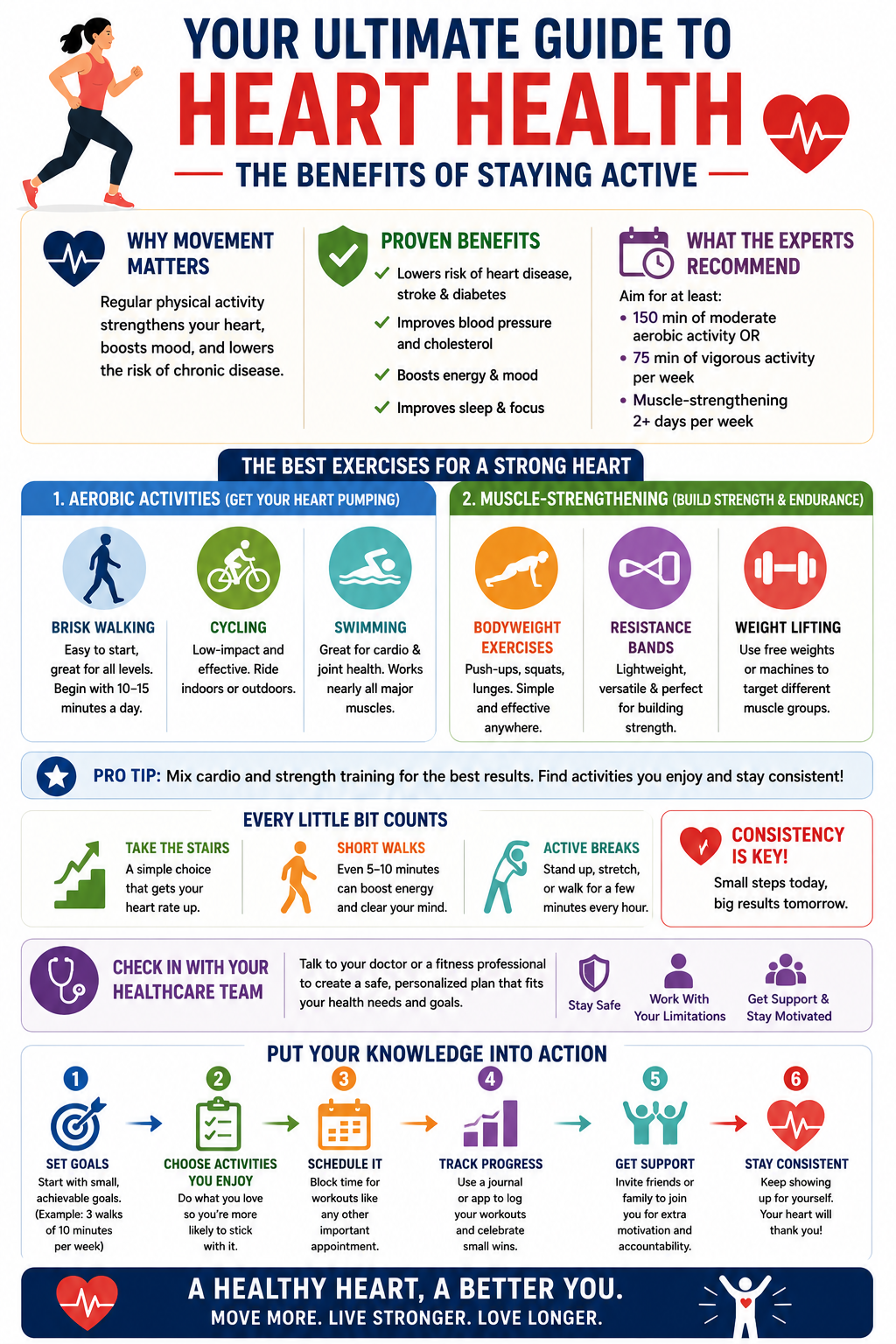
Benefits of Home Workouts: Your Guide to Staying Active-Ever feel like there just aren’t enough hours in the day to squeeze in a good workout? With work commitments, family duties, and a never-ending to-do list, it’s all too easy to let exercise slip away. But guess what? Home workouts are here to change that! They make staying active so much easier—no gym required. Let’s dive into the many […]
Power of Your Gut: How the Microbiome Influences Health and Wellness-Ever feel like your gut has a mind of its own? You’re not alone! Our gut is home to trillions of tiny microorganisms that play a huge role in how we feel every day. From helping us digest our meals to keeping our immune system in check, understanding this little ecosystem can really empower our health decisions. In this post, […]
A Guide to Digital Detox: Reassessing Your Relationship with Screens-Introduction Ever find yourself scrolling through social media long after you intended to stop? Or binge-watching shows until your eyes feel like they’re about to pop? You’re not alone. In our hyper-connected world, it’s all too easy to lose track of time in front of our screens. But here’s the kicker: all that screen time might be taking a toll […]
Unlocking the Secrets of Gut Health: A Deep Dive into the Microbiome and Your Wellness Journey-Have you ever stopped to think about how your gut health influences your overall well-being? If you’re like most of us, it’s probably not at the top of your mind—but it should be! Recent research shows that our gut microbiome, the community of microorganisms living in our digestive systems, plays a crucial role in everything from digestion to mental health. […]